
Battery-Powered Chainsaw Can be Efficiently Used for Commercial Thinning in Young Pine Stands
doi: https://doi.org/10.5552/crojfe.2026.3977
volume: issue, issue:
pp: 10
- Author(s):
-
- Naskrent Bartłomiej
- Tomczak Karol
- Naskrent Ewelina
- Rukat Wojciech
- Article category:
- Preliminary note
- Keywords:
- battery-powered chainsaw, noise level, vibrations, silviculture, commercial thinning, pine stands
Abstract
HTML
Chainsaws are still a commonly used tool in the tending of young forests. The small volume of felled trees makes the use of powerful multi-operational machines economically unjustifiable. Moreover, the use of traditional petrol chainsaws carries a number of problems for the operator, such as noise, vibration, and exhaust fumes. Battery-powered tools can be an alternative to traditional petrol chainsaws. The purpose of this study was to determine the possibilities of using a battery-powered chainsaw during late thinning in terms of productivity and ergonomics. For the study, an ECHO ECCS-58V battery-powered chainsaw and a DOLMAR PS 5000 petrol chainsaw were used. Measurements were conducted in a 14-year-old pine stand. All measured noise level parameters were significantly higher for the petrol chainsaw. The average operating efficiency was 0.15 ha/h for the battery-powered chainsaw and 0.16 ha/h for the petrol chainsaw. The petrol chainsaw ran for an average of 42.0 minutes on a single tank of fuel, while the battery-powered chainsaw ran for an average of 41.0 minutes on a single battery. It was found that the battery-powered chainsaw achieved very similar productivity. With the availability of a sufficient number of batteries, it can successfully replace traditional petrol chainsaws during the tending of young forests. This will significantly reduce the negative impact of noise, vibrations, and exhaust fumes on the operator, while maintaining satisfactory productivity.
Battery-Powered Chainsaw Can be Efficiently Used for Commercial Thinning in Young Pine Stands
Bartłomiej Naskrent, Karol Tomczak, Ewelina Naskrent, Wojciech Rukat
https://doi.org/10.5552/crojfe.2026.3977
Abstract
Chainsaws are still a commonly used tool in the tending of young forests. The small volume of felled trees makes the use of powerful multi-operational machines economically unjustifiable. Moreover, the use of traditional petrol chainsaws carries a number of problems for the operator, such as noise, vibration, and exhaust fumes. Battery-powered tools can be an alternative to traditional petrol chainsaws. The purpose of this study was to determine the possibilities of using a battery-powered chainsaw during late thinning in terms of productivity and ergonomics. For the study, an ECHO ECCS-58V battery-powered chainsaw and a DOLMAR PS 5000 petrol chainsaw were used. Measurements were conducted in a 14-year-old pine stand. All measured noise level parameters were significantly higher for the petrol chainsaw. The average operating efficiency was 0.15 ha/hfor the battery-powered chainsaw and 0.16 ha/h for the petrol chainsaw. The petrol chainsaw ran for an average of 42.0 minutes on a single tank of fuel, while the battery-powered chainsaw ran for an average of 41.0 minutes on a single battery. It was found that the battery-powered chainsaw achieved very similar productivity. With the availability of a sufficient number of batteries, it can successfully replace traditional petrol chainsaws during the tending of young forests. This will significantly reduce the negative impact of noise, vibrations, and exhaust fumes on the operator, while maintaining satisfactory productivity.
Keywords: battery-powered chainsaw, noise level, vibrations, silviculture, commercial thinning, pine stands
1. Introduction
Chainsaws are basic tools used in various forestry activities in silviculture treatments and harvesting (Albizu-Urionabarrenetxea et al. 2013, Marchi et al. 2017, Neri et al. 2018). The origins of the petrol chainsaw in forestry can be traced back to the early 20th century (Jelonek 2015). Over the course of a century, engineers have continuously improved the chainsaw, striving to optimize its efficiency and comfort for woodcutters. Due to their versatility and relatively low purchase costs, chainsaws have also been used in other economic sectors, such as agriculture and horticulture (Liepiņš et al. 2015).
During work with the chainsaw, forest workers are exposed to significant energy expenditure (Grzywiński et al. 2017, Tomczak and Tomczak 2018, Arman et al. 2021), even in the case of simple silviculture treatments (Grzywiński 2009). According to Grzywiński et al. (2009), the shift energy expenditure of a forest worker performing commercial thinning is 9.2 MJ/8h (very hard workload). Working with a chainsaw also involves a high risk of accidents, ranging from minor injuries to permanent damage to health or death of the chainsaw operator or bystanders (Robb and Cocking 2014, Jankovský et al. 2019, Tobita et al. 2019, López-Toro et al. 2021). The very hard work of loggers can lead to the development of musculoskeletal disorder (MSD) symptoms (Landekić et al. 2023). In addition, operators of petrol chainsaws are exposed to several hazards, such as vibration, noise, exhaust fumes, wood dust, and airborne oil particles, which can lead to the development of occupational diseases (Neri et al. 2016, Marchi et al. 2017, Neri et al. 2018, Bačić et al. 2023, Landekić et al. 2023, Staněk et al. 2023). Therefore, chainsaw operators should be well-trained in terms of both skill and safety awareness during work (Del Ferreira et al. 2022).
There has been a notable emphasis on environmental protection and the reduction of CO2 emissions in recent years. As a result, battery-powered equipment has been developed as an alternative to traditional petrol devices. Over the past few years, there has been a steady growth in the market for battery-powered tools in the green maintenance and forestry industry. These tools now account for 51% of global sales, and it is projected that their sales will continue to rise (Pandur et al. 2021). In the case of the forestry sector, the introduction of battery-powered chainsaws became a possibility. Compared with petrol chainsaws, battery-powered devices are lighter, and moreover, they do not produce exhaust fumes (Colantoni et al. 2016, Poje et al. 2018, Huber et al. 2021). According to Colantoni et al. (2016), by opting for battery-powered chainsaws instead of petrol ones, one can achieve a reduction of over 50% in daily vibration exposure and over 10% in noise dose. For these reasons, the use of battery-powered electric tools, including chainsaws, has become increasingly widespread, especially in gardening (Swaminathan et al. 2024). So far, battery-powered chainsaws have not been widely used in forestry because of their battery capacity. Due to the ever-growing market for battery equipment, more and more efficient devices with large external batteries are appearing on the market, including in the forestry sector (Colantoni et al. 2016, Pandur et al. 2021). However, batteries still have several dozen times less energy density than traditional petrol fuel. However, BL (brushless) motors are several (approx. 3–4) times more efficient than two-stroke petrol engines (Pandur et al. 2023).
In recent years, this has also become a topic of many scientific works, which consider mostly comfort and safety of work (Colantoni et al. 2016, Neri et al. 2018, Poje et al. 2018, Huber et al. 2021) or efficiency during various harvesting tasks (Poje and Mihelič 2020, Neri et al. 2022, Poje et al. 2024). Despite positive outcomes of safety and work comfort tests, there is still a large gap in efficiency between battery-powered and petrol devices. In forestry, equipment operates under high intensity, which is not a suitable working environment for Li-ion batteries. Under such conditions, the battery overheats and discharges faster, and thus the efficiency decreases (Pandur et al. 2021). Therefore, it is recommended to work with a minimum of two batteries or even more when there is no access to a charger and electricity. Also, low engine power can be a problem related to low efficiency (Poje and Mihelič 2020). An interesting phenomenon was also observed by Kuvik et al. (2017) and Neri et al. (2022), who reported that the quality and moisture content of cut timber also influence the effectiveness of a battery-powered chainsaw. MacDonald (2023) proved the influence of tree diameter in the cutting place on work efficiency. Another important variable seems to be the sharpness of the working chain (Marenče et al. 2017).
Most of the literature presented contains studies of the use of cordless saws in demanding conditions during harvesting or in high-performance trials in laboratory conditions. However, battery-powered chainsaws can also be used in theoretically lighter conditions during commercial thinning. First, the diameter of the trees to be cut is small and allows the treatment to be performed with a single cut. Second, the non-emission of exhaust fumes, lower noise emissions, and the lighter weight of the equipment can have a positive impact on working conditions in dense young stands where airflow is relatively restricted. Therefore, the main aims of this study were to determine the efficiency of a battery-powered chainsaw during commercial thinning treatment and to investigate the level of comfort of forest workers based on noise emission. To confirm the aims of the study, the following hypotheses were proposed:
- the efficiency of a battery-powered chainsaw is not significantly lower than the efficiency of a petrol chainsaw during commercial thinning treatment
- the noise exposure of forest workers during commercial thinning treatment is lower when a battery-powered chainsaw is used.
2. Materials and Methods
2.1 Study Design
An experiment was conducted during the summer of 2021 in a 14-year-old pine stand located in the south-western region of Poland. The primary purpose of this study was to investigate the effectiveness of commercial thinning as a silviculture treatment. The specific objectives of the study were to determine the work efficiency, labour intensity, and noise level during commercial thinning with battery-powered and petrol chainsaws. Commercial thinning in young stands is performed to shape the initial quality and species composition of the stand by cutting trees of undesirable species and those that are deformed (Fig. 1). During each trial, the chainsaw operator removed trees growing in two rows, moving between the rows. The distance between rows was 1.5 m. The study examined the efficiency and noise emission of two chainsaws – one using battery power and the other using petrol. In total, 14 repetitions were made, 7 for each type of chainsaw. To maintain transparency and repeatability, the trials were conducted in similar weather. In addition, all repetitions were performed by the same operator, who was experienced in forestry work.
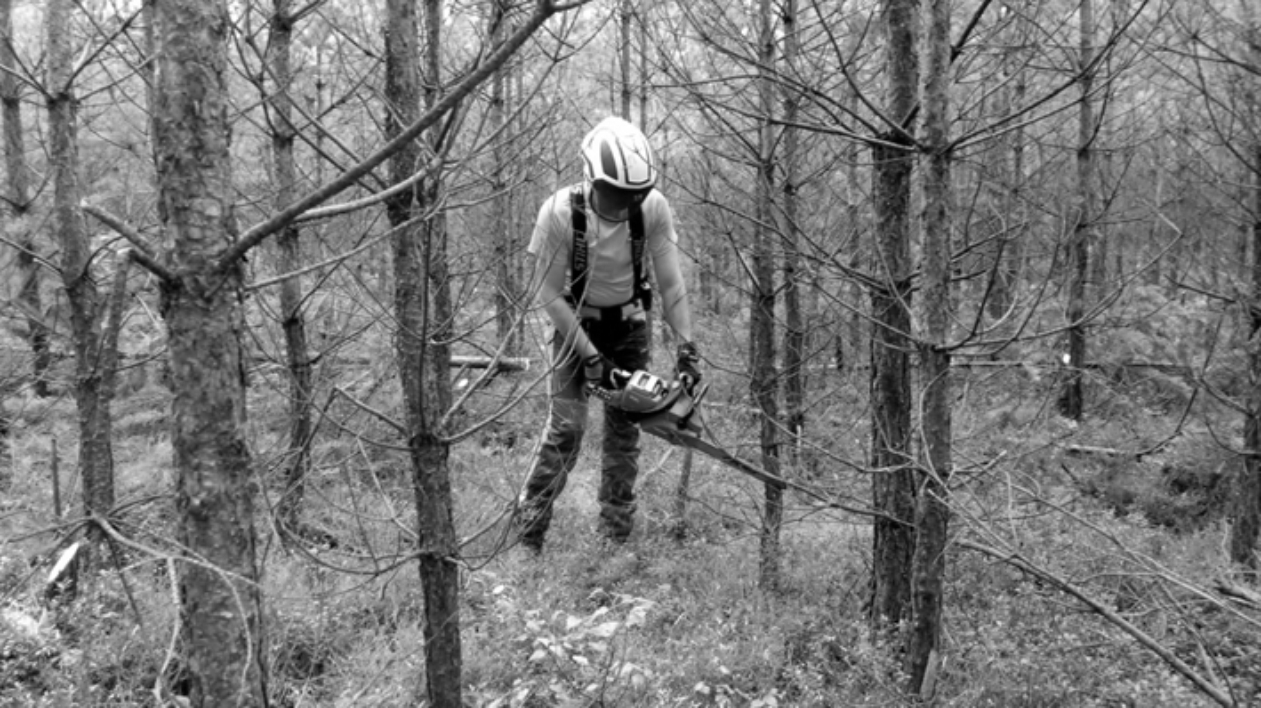
Fig. 1 Overview of the study plot in a 14-year-old pine stand
2.2 Tools and Equipment
To conduct the study, a DOLMAR PS 5000 petrol chainsaw (Germany) and an ECHO ECCS–58V battery-powered chainsaw (Japan) were used. A standard petrol chainsaw used by loggers in the area was selected for the study. In the case of the battery-powered chainsaw, the largest model available on the local market was selected. The technical data of the chainsaws are given in Table 1 (Echo 2024, Makita 2024).
Table 1 Technical characteristics of chainsaws used in the study
|
Technical features |
DOLMAR PS 5000 |
ECHO ECCS–58V |
|
Fuel supply |
Mixed (gasoline + oil) |
Electricity (battery) |
|
Engine capacity, cm3 |
50.0 |
– |
|
Power/battery voltage, kW/V |
2.80 |
58 V |
|
Battery capacity, Ah |
– |
4 |
|
Saw-bar length, cm |
38.0 |
40 |
|
Chain pitch |
0.325” |
3/8” |
|
Battery type |
– |
ECBP-58V4AHC |
|
Total weight, kg |
5.10 |
4.83 |
2.3 Time Consumption, Working Area, and Efficiency Measurement and Calculations
Each test repetition started with a chainsaw that had a full fuel tank or was fully charged. The variables – time consumption, area, and efficiency – were measured from when the chainsaw was started until it shut down because of a lack of fuel or a drained battery. Time consumption was measured by using a stopwatch with an accuracy of one second to measure the duration of each trial. The size of the working area was measured using a Steinberg SBS-DMW-1000A measuring wheel (Germany), and multiplying the measured distance by the distance between rows. The efficiency was defined as area thinned per hour (ha/h) and was calculated from the following Eq. 1.

Where:
E efficiency, ha/h
T time duration of a single trial, h
A working area of the trial, ha.
Noise measurements were performed in accordance with the ISO standard (EN ISO 22868). To keep the distance between the sensor and the saw constant during the measurements, the microphone was mounted on the collar of the operator’s jacket, about 10 cm from the operator’s ear and 70 cm from the noise source. Measurements were made using a SVANTEK SV 102 dosimeter (Poland) (Fig. 2). The duration of noise level measurements varied depending on the duration of the trial. A-weighted noise exposure level normalized to a nominal 8 h working day was determined using the SvanPC+ computer programme. The following parameters were registered:
- L C peak , dB – C-weighted peak sound pressure level
- L A, eq , dB – A-weighted equivalent continuous sound pressure level
- L EX,8h , dB – A-weighted noise exposure level normalized to a nominal 8 h working day.
The A-weighted noise exposure level normalized to an 8 h working day was calculated from the following Eq. 2 (EN ISO 9612:2009):

Where:
LEX,8h A-weighted noise exposure level normalized to a nominal 8 h working day, dB
LA,eq,Te A-weighted equivalent continuous sound pressure level for exposure lasting Te
Te effective exposure duration, in hours, in a working day
T0 reference duration, T0 = 8 h.
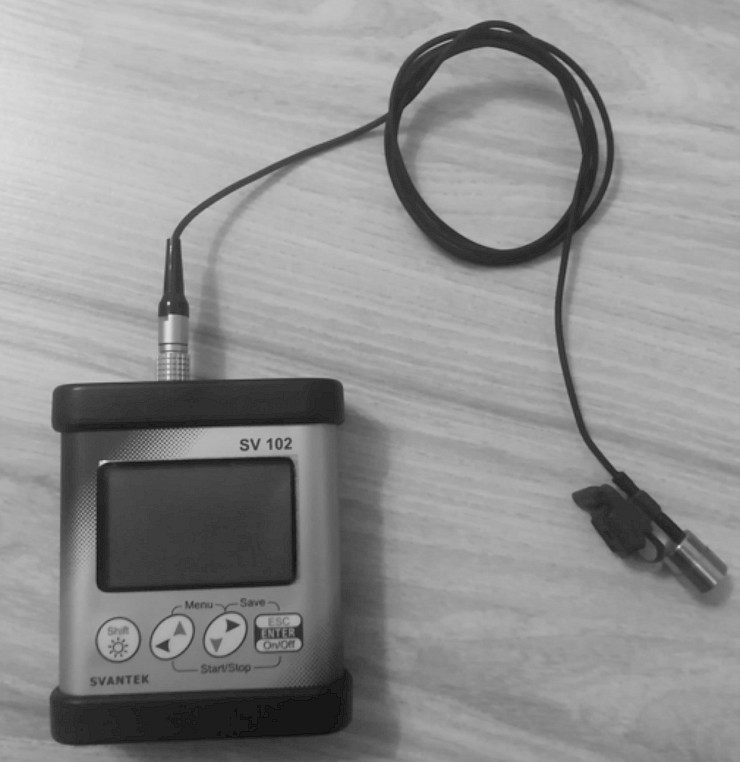
Fig. 2 Svantec SV 102 Dosimeter
Average sound pressure levels were calculated according to Eq. 3 (Figlus et al. 2013):

Where:
Lp average sound pressure level, dB
n number of measurements
Lp,k sound pressure level during the k-th measurement, dB.
2.4 Statistical Analysis
In the first step, a Shapiro-Wilk test was performed to verify the distribution of data. Testing of the data for all measured parameters and calculated variables led to the rejection of the normal distribution hypothesis. Therefore, the Wilcoxon test was performed to compare non-parametric data. Statistical inference was performed at the significance level α=0.05. The RStudio program and R package 4.2.2 (R Core Team 2023, Vienna, Austria) were used for data calculations and visualization.
3. Results
3.1 Noise Parameters
In general, all collected noise parameters were higher when a petrol chainsaw was used. The analysis of recorded factors showed that in the case of LA max (A-weighted maximum sound pressure level), the highest readings were obtained when a petrol chainsaw was used – approximately 114 dB, against approx. 111 dB for the battery-powered chainsaw. This is consequently 34 dB and 31 dB above safety noise level, although the differences obtained between tested chainsaws were not statistically significant (p>0.05). In the case of peak sound pressure level (LC peak), higher values were again observed during the trials in which forest workers used the petrol chainsaws. The highest value emitted by the petrol chainsaw was almost 133 dB, 7 dB higher than the highest peak obtained while using the battery-powered chainsaw (126 dB). The calculated differences between the peak results were statistically significant (p<0.05). Weighted equivalent continuous sound pressure level (LA,eq) was significantly lower (p<0.05) – 94 dB when the forest worker used the battery-powered chainsaw, and when using a petrol chainsaw, it was 103 dB. The difference between the average results was approx. 9 dB. In the case of noise exposure level per 8 h working day (LEX,8h), a higher exposure was recorded – 130 dB when a petrol chainsaw was used, in the case of a battery-powered device, it was 112 dB. The greatest difference between averages was obtained for this parameter – approximately 18 dB (Fig. 3).
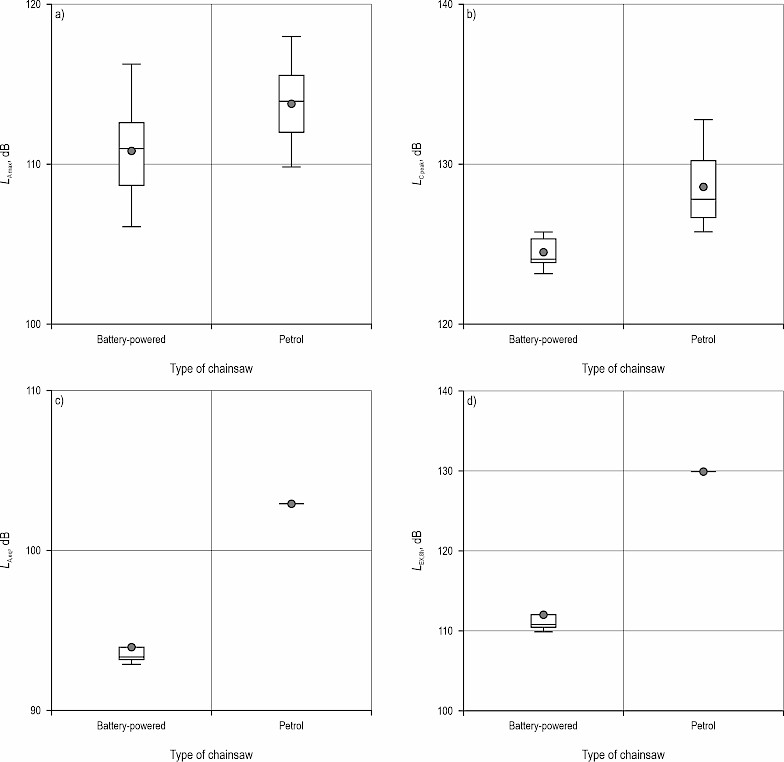
Fig. 3 Descriptive statistics and results of non-parametric Wilcoxon test for the analyzed noise parameters. Whiskers correspond to minimum and maximum values, boxes represent the 1st and 3rd quartile values, midlines indicate the median, and black dots represent the mean value
3.2 Work Efficiency and Power Sources
The area of completed treatment was smaller by 0.1 ha when the battery-powered chainsaw was used; in total using this chainsaw let to the commercial thinning perfomed on the area of 0.10 ha. The obtained difference between the two tested chainsaws was statistically significant (p<0.05). The average time of working on a fully charged battery was only one minute smaller – 41 min than the average time of working on a full tank with a petrol chainsaw – 42 min. However, from a statistical point of view, this difference was significant (p<0.05). For the efficiency of selected types of chainsaws, statistically significant differences were not observed (p>0.05). The efficiency of petrol chainsaw was 0.16 ha/h and 0.1 ha/h lower productivity was obtained when the battery-powered chainsaw was used – 0.15 ha/h (Table 2).
Table 2 Descriptive statistics and results of non-parametric Wilcoxon test of work parameters analyzed
|
Variable |
Type of chainsaw |
Mean |
SD |
Minimum |
Maximum |
Q25 |
Median |
Q75 |
p-value |
|
Area of treatment, ha |
Petrol |
0.11 |
0.01 |
0.10 |
0.13 |
0.11 |
0.11 |
0.12 |
<0.05 |
|
Battery-powered |
0.10 |
0.00 |
0.09 |
0.10 |
0.10 |
0.10 |
0.10 |
||
|
Time consumption, min |
Petrol |
42 |
3 |
36 |
44 |
41 |
43 |
44 |
<0.05 |
|
Battery-powered |
41 |
4 |
36 |
47 |
37 |
39 |
45 |
||
|
Efficiency, ha/h |
Petrol |
0.16 |
0.01 |
0.14 |
0.18 |
0.15 |
0.16 |
0.17 |
>0.05 |
|
Battery-powered |
0.15 |
0.02 |
0.13 |
0.17 |
0.13 |
0.15 |
0.16 |
4. Discussion
Battery-powered devices are increasingly used in numerous areas of economy. However, as tests and studies show, their use in forestry is limited due to battery capacity and weather conditions. It was hypothesized that in silviculture treatments, which involve cutting trees with lower dimensions than during clear cuts, the efficiency of a battery-powered chainsaw would be comparable to a petrol one. Moreover, due to the lack of exhaust gas emissions and the lower noise and weight of the equipment, it was assumed that the battery-powered chainsaw would provide more comfortable working conditions for the user (forest worker).
During commercial thinning conducted using a battery-powered chainsaw, the A-weighted equivalent continuous sound pressure level LA,eq was lower by 9 dB than in the case of working with the petrol chainsaw. More importantly, a similar phenomenon was observed in the A-weighted noise exposure level normalized to a nominal 8 h working day (LEX,8h), where noise exposure was lower by 18 dB when a battery-powered chainsaw was used. These results are statistically significant and correspond to studies performed by Neri et al. (2018), who examined noise emission levels between battery-powered and electric chainsaws. The authors showed that differences in LEX,8h were approximately 10 dB. Colantoni et al. (2016) showed that using battery-powered saws reduces operator noise exposure by up to 11%. Although noise exposure was lower when the battery-powered chainsaw was used, the maximum noise level (115 dB) was still exceeded, and the applicable regulations require the use of hearing protectors in this case. Considering the average value of this parameter for both electric and petrol chainsaws, battery-powered devices are suggested as a safer alternative. Neither the instantaneous nor average sound levels when using a battery-powered chainsaw nor a petrol-powered chainsaw surpassed the established peak sound level parameter C of 135 dB. In contrast, noise exposure values exceed the 85 dB limit for this parameter: by 26 dB for a battery-powered chainsaw and 45 dB for a petrol chainsaw. In theory, safe operation of a chainsaw without hearing protectors and without harmful effects on the health of the operator is possible for 60 minutes per day when a battery-powered chainsaw is used and 1 minute per day when a petrol device is used. Working without hearing protection for long periods of time is harmful to the human body and can lead to hearing damage. However, if the operator complies with the safety rules, the time for which the chainsaw can be used without affecting the health of the worker increases. In their work, Bortkiewicz and Czaja (2018) showed that noise exposure increases the risk of cardiovascular disease, including heart attack. In turn, Basner et al. (2014) showed that acoustic exposure increases the risk of diseases such as hypertension, stroke and myocardial infarction, which is also confirmed by the results of a study by Bortkiewicz and Czaja (2018). Basner et al. (2015) showed, among other things, that the negative effects of noise exposure are compounded by vibration. Fonseca et al. (2015) showed that people working as chainsaw operators are at risk of hearing loss, especially in the octave band at 4 kHz. This frequency band coincides with the range of increased sensitivity of the human ear. The particularly onerous nature of the noise emitted by chainsaws was also confirmed in a study by Rukat et al. (2020).
Limited research has been conducted on the performance of battery-powered chainsaws in real-world scenarios (Laschi et al. 2023). The majority of such studies involve the handling of wood that has been carefully cut under controlled conditions (e.g. Colantoni et al. 2016, Neri et al. 2018, Pandur et al. 2021). In Poland, most forestry workers are paid on a piece-rate basis (Naskrent et al. 2020). This causes workers to disregard safety rules to obtain the highest efficiency during work shifts. It may lead to unsafe employee behaviors and dangerous accidents (Toupin et al. 2007). Also, to achieve higher efficiency, employees use equipment with higher parameters than required for performing forestry operations, such as high-powered petrol chainsaws in silviculture treatments. In this study, we hypothesized that battery-powered chainsaws provide similar efficiency and better user comfort during commercial thinning, mainly due to their lower weight and noise emissions and lack of exhaust gases and oil mist emissions, which directly affect forest workers during operations in young, dense stands. Statistical analyses confirmed the stated hypothesis. Comparison of the efficiency of the two tested methods showed the differences to be negligible. With a petrol chainsaw, the average worked area was higher by 0.01 ha/h. The obtained difference was not statistically significant. In the trials, the largest Echo battery was used. The average operating time per battery was 41 min and allowed the user to complete the treatment of 0.1 ha, while a full petrol tank could be used to treat 0.11 ha in 42 min. From these results it can be calculated that approx. 8 fully charged batteries can enable the completion of high-performance work shifts using battery-powered chainsaws. Pandur et al. (2023) showed that 8–10 batteries are required to cover a work shift; however, they performed cutting operations in a controlled environment and used different chainsaws and batteries. A major problem also emphasized by other authors is the initial cost of the battery equipment. The cost of one battery can be as high as €500, but there are also cheaper alternatives – the cost of the battery used in this study was around €200. A solution to the need to purchase many batteries may be to enable them to be recharged on-site by using an external power supply (Neri et al. 2018) and to use 2–3 batteries in rotation.
The ongoing progress and integration of technology in industry are also facilitating the transition from traditional methods to modern, intelligent techniques that enable greater efficiency. This is especially noticeable in forestry, particularly in activities related to harvesting, timber management, and silviculture work (Kiełbasa et al. 2023, Holzinger et al. 2024, Tomczak et al. 2024). The results of this study show that the use of battery-powered equipment in forestry has the potential to replace petrol chainsaws during silviculture treatments. Moreover, using battery-powered tools can improve working comfort and safety, while maintaining similar worker productivity during a work shift. The key is to select an appropriate power source (battery capacity) that allows a similar period to be worked as with traditional equipment.
The authors are aware that the results of the study may depend on the equipment used for the research and the characteristics of the forest stand. Currently, technologies related to battery-powered devices are constantly evolving. It is also worth using modern measurement techniques. For these studies, it would be very helpful to use wireless measuring devices that do not get caught on branches in dense tree stands, as well as GPS devices to measure the area of thinning. In an era of efforts to limit climate change, it is extremely important to make the widest possible use of emission-free devices. Therefore, it is important to continue research into battery-powered devices in the future, especially during winter, so that they become increasingly common.
5. Conclusions
The primary objective of the study was to assess the efficacy of battery-powered chainsaws in commercial thinning operations and to establish the comfort threshold for forest workers in relation to noise emissions. The study findings have validated the initial hypothesis. The application of battery-powered chainsaws in silviculture treatments, such as commercial thinning, demonstrates similar effectiveness and time requirements to the usage of petrol chainsaws. Based on the study results, users will be able to effectively complete a work shift with the use of eight fully charged batteries. The measured noise exposure variables, specifically LA,eq and LEX,8h, exhibited a significant decrease when the forest operator utilized the battery-powered chainsaw. Furthermore, the use of a battery-operated chainsaw led to reduced exertion owing to the absence of exhaust gas emissions and the lighter weight of the device in comparison to a petrol chainsaw. The use of battery-powered equipment can be particularly useful on steep surfaces due to the lower weight of the equipment and the very rapid stopping of the chain when the switch is released, which can significantly improve worker safety.
Acknowledgments
The authors would like to thank all those who contributed to the article.
6. References
Albizu-Urionabarrenetxea, P., Tolosana-Esteban, E., Roman-Jordan, E., 2013: Safety and health in forest harvesting operations. Diagnosis and preventive actions. A review. For. Syst. 22(3): 392–400. https://doi.org/10.5424/fs/2013223-02714
Arman, Z., Nikooy, M., Tsioras, P.A., Heidari, M., Majnounian, B., 2021: Physiological workload evaluation by means of heart rate monitoring during motor-manual clearcutting operations. Int. J. Forest Eng. 32(2): 91–102. https://doi.org/10.1080/14942119.2021.1868238
Bačić, M., Landekić, M., Šušnjar, M., Šporčić, M., Pandur, Z., 2023: Vibration levels and daily vibration exposure while using different tools in a forest cleaning. Cent. Eur. For. J. 69(1): 49–58. https://doi.org/10.2478/forj-2022-0015
Basner, M., Babisch, W., Davis, A., Brink, M., Clark, C., Janssen, S., Stansfeld, S., 2014: Auditory and non-auditory effects of noise on health. The Lancet 383(9925): 1325–1332. https://doi.org/10.1016/S0140-6736(13)61613-X
Basner, M., Brink, M., Bristow, A., Kluizenaar, Y. de, Finegold, L., Hong, J., Janssen, S.A., Klaeboe, R., Leroux, T., Liebl, A., 2015: ICBEN review of research on the biological effects of noise 2011–2014. Noise and Health 17(75): 57–82. https://doi.org/10.4103/1463-1741.153373
Bortkiewicz, A., Czaja, N., 2018: Extra-auditory effects of noise with special emphasis on cardiovascular diseases (in Polish). Forum Medycyny Rodzinnej 12: 41–49.
Colantoni, A., Mazzocchi, F., Cossio, F., Cecchini, M., Bedini, R., Monarca, D., 2016: Comparisons between battery chainsaws and internal combustion engine chainsaws: performance and safety. Contemp. Eng. Sci. 9(27): 1315–1337. https://doi.org/10.12988/ces.2016.68133
Del Ferreira, M.C.P., Caparrós, F.S., Castrillo, J.A.C., Romero, J.C.R., 2022: Assessment of Chainsaw Operators Training in Andalusia (Spain). Croat. J. For. Eng. 43(1): 123–135. https://doi.org/10.5552/crojfe.2022.1204
EN ISO 22868:2011, 2011: Forestry and gardening machinery – Noise test code for portable hand-held machines with internal combustion engine -Engineering method (Grade 2 accuracy), 35 p.
Figlus, T., Wilk, A., Franke, P., 2013: The estimation of changes in the noise level generated by devices equipped with two-stroke internal combustion engines with small displacement volume. FME Transactions 41(3): 216–221.
Fonseca, A., Aghazadeh, F., Hoop, C. de, Ikuma, L., Al-Qaisi, S., 2015: Effect of noise emitted by forestry equipment on workers' hearing capacity. Int. J. Ind. Ergon. 46: 105–112. https://doi.org/10.1016/j.ergon.2014.05.001
Grzywiński, W., 2009: Energy expenditure in some silvicultural works. Electron. J. Pol. Agric. Univ. 12(4): art 20.
Grzywiński, W., Jelonek, T., Tomczak, A., Jakubowski, M., Bembenek, M., 2017: Does body posture during tree felling influence the physiological load of a chainsaw operator? AAEM 24(3): 401–405. https://doi.org/10.5604/12321966.1235177
Holzinger, A., Schweier, J., Gollob, C., Nothdurft, A., Hasenauer, H., Kirisits, T., Häggström, C., Visser, R., Cavalli, R., Spinelli, R., Stampfer, K., 2024: From Industry 5.0 to Forestry 5.0: Bridging the gap with Human-Centered Artificial Intelligence. Curr. For. Rep. 10(6): 442–455. https://doi.org/10.1007/s40725-024-00231-7
Huber, M., Hoffmann, S., Brieger, F., Hartsch, F., Jaeger, D., Sauter, U.H., 2021: Vibration and Noise Exposure during Pre-Commercial Thinning Operations: What Are the Ergonomic Benefits of the Latest Generation Professional-Grade Battery-Powered Chainsaws? Forests 12(8): 1120. https://doi.org/10.3390/f12081120
ISO 9612:2009, 2009: Acoustics – Determination of occupational noise exposure – Engineering method, 43 p.
Jankovský, M., Allman, M., Allmanová, Z., 2019: What Are the Occupational Risks in Forestry? Results of a Long-Term Study in Slovakia. Int. J. Environ. Res. Public Health 16(24): 4931. https://doi.org/10.3390/ijerph16244931
Jelonek, T., 2015: Evolution of the chainsaw and the chainsaw as an agents for logging (in Polish). Studia i Materiały Ośrodka Kultury Leśnej (14): 151–170.
Kiełbasa, P., Szulc, T., Szychta, M., Szczepaniak, J., Wojciechowski, J., Danielak, M., Adamczyk, F., Tadeusiewicz, R., Juliszewski, T., Woś, B., Pietrzykowski, M., Sowa, J.M., Walczyk, J., Kormanek, M., Szewczyk, G., Tylek, P., 2023: Design of a Planting Module for an Automatic Device for Forest Regeneration. Croat. J. For. Eng. 44(1): 203–215. https://doi.org/10.5552/crojfe.2023.1722
Kuvik, T., 2017: Impact of the selected factors on cutting force when using a chainsaw. Wood Research 62(5): 807–814.
Landekić, M., Šporčić, M., Bačić, M., Pandur, Z., Bakarić, M., 2023: Workability and physical wellbeing among chainsaw operators in Croatia. Croat. J. For. Eng 44(1): 83–94. https://doi.org/10.5552/crojfe.2023.2073
Laschi, A., Neri, F., Marra, E., Fabiano, F., Frassinelli, N., Marchi, E., Paoloni, R., Foderi, C., 2023: Comparing the Productivity of the Latest Models of Li-Ion Battery and Petrol Chainsaws in a Conifer Clear-Cut Site. Forests 14(3): 585. https://doi.org/10.3390/f14030585
Liepiņš, K., Lazdiņš, A., Liepiņš, J., Prindulis, U., 2015: Productivity and Cost-Effectiveness of Mechanized and Motor-Manual Harvesting of Grey Alder (Alnus incana (L.) Moench): A Case Study in Latvia. Small-scale Forestry 14(4): 493–506. https://doi.org/10.1007/s11842-015-9302-1
López-Toro, A.A., Pardo-Ferreira, M.C., Martínez-Rojas, M., Carrillo-Castrillo, J.A., Rubio-Romero, J.C., 2021: Analysis of occupational accidents during the chainsaws use in Andalucía. Safety Science 143: 105436. https://doi.org/10.1016/j.ssci.2021.105436
MacDonald, L., 2023: Battery-powered Chainsaw Productivity in New Zealand Thin-to-Waste Operations. Forest Engineering Dissertation, University of Canterbury, Christchurch, New Zeland.
Marchi, E., Neri, F., Cambi, M., Laschi, A., Foderi, C., Sciarra, G., Fabiano, F., 2017: Analysis of dust exposure during chainsaw forest operations. iForest 10(1): 341–347. https://doi.org/10.3832/ifor2123-009
Marenče, J., Mihelič, M., Poje, A., 2017: Influence of Chain Filing, Tree Species and Chain Type on Cross Cutting Efficiency and Health Risk. Forests 8(12): 464. https://doi.org/10.3390/f8120464
Naskrent, B., Grzywiński, W., Łukowski, A., Polowy, K., 2020: Influence of Cutting Attachment on Noise Level Emitted by Brush Cutter during Tending of Young Forests. Croat. J. For. Eng. 41(1): 129–135. https://doi.org/10.5552/crojfe.2020.657
Neri, F., Foderi, C., Laschi, A., Fabiano, F., Cambi, M., Sciarra, G., Aprea, M.C., Cenni, A., Marchi, E., 2016: Determining exhaust fumes exposure in chainsaw operations. Environmental Pollution 218: 1162–1169. https://doi.org/10.1016/j.envpol.2016.08.070
Neri, F., Laschi, A., Foderi, C., Fabiano, F., Bertuzzi, L., Marchi, E., 2018: Determining Noise and Vibration Exposure in Conifer Cross-Cutting Operations by Using Li-Ion Batteries and Electric Chainsaws. Forests 9(8): 501. https://doi.org/10.3390/f9080501
Neri, F., Laschi, A., Marchi, E., Marra, E., Fabiano, F., Frassinelli, N., Foderi, C., 2022: Use of Battery – vs. Petrol-Powered Chainsaws in Forestry: Comparing Performances on Cutting Time. Forests 13(5): 683. https://doi.org/10.3390/f13050683
Pandur, Z., Bačić, M., Šušnjar, M., Landekić, M., Šporčić, M., Jambreković, B., Lepoglavec, K., 2023: Energy Consumption and Cutting Performance of Battery-Powered Chainsaws. Forests 14(7): 1329. https://doi.org/10.3390/f14071329
Pandur, Z., Šušnjar, M., Bačić, M., 2021: Battery Technology – Use in Forestry. Croat. J. For. Eng. 42(1): 135–148. https://doi.org/10.5552/crojfe.2021.798
Poje, A., Lipužič, B., Bilobrk, I., Pandur, Z., 2024: Time Composition, Efficiency, Workload, and Noise Exposure during Tree Felling and Processing with Petrol and Battery-Powered Chainsaws in Mixed High Forest Stands. Forests 15(5): 798. https://doi.org/10.3390/f15050798
Poje, A., Mihelič, M., 2020: Influence of Chain Sharpness, Tension Adjustment and Type of Electric Chainsaw on Energy Consumption and Cross-Cutting Time. Forests 11(9): 1017. https://doi.org/10.3390/f11091017
Poje, A., Potočnik, I., Mihelič, M., 2018: Comparison of Electric and Petrol Chainsaws in Terms of Efficiency and Safety When Used in Young Spruce Stands in Small-Scale Private Forests. Small-scale Forestry 17(3): 411–422. https://doi.org/10.1007/s11842-018-9395-4
Robb, W., Cocking, J., 2014: Review of European chainsaw fatalities, accidents and trends. Arboricultural Journal 36(2): 103–126. https://doi.org/10.1080/03071375.2014.913944
Rukat, W., Jakubek, B., Barczewski, R., Wróbel, M., 2020: The influence of the direction of wood cutting on the vibration and noise of chainsaws. Tehnički vjesnik 27(6): 1879–1886. https://doi.org/10.17559/TV-20190719101429
Stanëk, L., Neruda, J., Mergl, V., Kotek, T., 2023: Difference in the magnitude of power saw vibrations affecting the operator during forest felling. Cent. Eur. For. J. 69(1): 59–67. https://doi.org/10.2478/forj-2023-0003
Swaminathan, C., Geethalakshmi, V., Pazhanivelan, S., Kathirvelan, P., 2024: Farming at Home. EduPedia Publications Pvt Ltd. New Delhi, Delhi, India, 251 p.
Tobita, K., Nitami, T., Yoshioka, T., 2019: Factors associated with injuries related to chainsaw tree felling in Japan. Int. J. Forest Eng. 30(3): 190–194. https://doi.org/10.1080/14942119.2018.1555966
Tomczak, K., Mederski, P.S., Naskrent, B., Tomczak, A., 2024: Accuracy of Photo-Optical Timber Measurement Using a Stereo Camera Technology. Croat. J. For. Eng. 45(1): 157–167. https://doi.org/10.5552/crojfe.2024.2268
Tomczak, K., Tomczak, A., 2018: The influence of the equipment selection on the productivity and comfort of the woodcutter during the commercial thinning in the pine stand. Technika Rolnicza Ogrodnicza Leśna 4: 16–19.
Toupin, D., LeBel, L., Dubeau, D., Imbeau, D., Bouthillier, L., 2007: Measuring the productivity and physical workload of brushcutters within the context of a production-based pay system. Forest Policy and Economics 9(8): 1046–1055. https://doi.org/10.1016/j.forpol.2006.10.001
© 2026 by the authors. Submitted for possible open access publication under the
terms and conditions of the Creative Commons Attribution (CC BY) license (http://creativecommons.org/licenses/by/4.0/).
Authors’ addresses:
Bartłomiej Naskrent, PhD *
e-mail: bartlomiej.naskrent@up.poznan.pl
Poznań University of Life Sciences
Faculty of Forestry and Wood Technology
Department of Forest Utilization
Wojska Polskiego 71A
60-625 Poznań
POLAND
Karol Tomczak, PhD
e-mail: karol.tomczak@up.poznan.pl
Poznań University of Life Sciences
Faculty of Forestry and Wood Technology
Department of Forest Utilization
Wojska Polskiego 71A
60-625 Poznań
POLAND
and
Łukasiewicz Research Network
Poznań Institute of Technolog
6 Ewarysta Estkowskiego St.
61-755 Poznań
POLAND
Ewelina Naskrent, MSc
e-mail: naskrent.ewelina@gmail.com
Forestry Technical High School in Rogoziniec
Rogoziniec 115
66-210 Zbąszynek
POLAND
Wojciech Rukat, PhD
e-mail: wojciech.rukat@put.poznan.pl
Poznan University of Technology
Faculty of Mechanical Engineering
Institute of Applied Mechanics
Division of Vibroacoustics and Systems Diagnostics
Piotrowo 3
60-965 Poznan
POLAND
* Corresponding author
Received: December 31, 2024
Accepted: January 12, 2026
Preliminary note