
Modification of Mechanical Properties of Silty Soils by Biopolymers for Construction Purposes
doi: https://doi.org/10.5552/crojfe.2027.4524
volume: issue, issue:
pp: 18
- Author(s):
-
- Parsakhoo Aidin
- Hosseini Seyed Ataollah
- Article category:
- Original scientific paper
- Keywords:
- plasiticity index, proctor density, beta-glucan, xanthan gum, forest road
Abstract
HTML
Silty soils tend to deform plastically, erode and slide downward easily when exposed to moisture in the Hyrcanian forests of Iran. Biopolymers are an approach to overcome negative effects of silty soils; however, the effect of biopolymers on mechanical properties of this specific type of soil is not clear. The present experimental study investigated the efficacy of xanthan gum (XG), guar gum (GG), and beta-glucan (BG) on the Atterberg limits, maximum dry density (MDD), and California Bearing Ratio (CBR) of a high plasticity silty soil (MH). Each biopolymer was applied at dosages of 0, 0.1, 0.2, 0.4, and 0.6% and cured for 7 and 28 days. Atterberg limits (ASTM D4318), grain size distribution (ASTM D 422-63), proctor density (ASTM D1557) and bearing ratio (ASTM D1883) of treated MH soil was done in three replications. The results showed that the liquid limit (LL), plastic limit (PL), and plasticity index (PI) of the treated samples decreased with increasing of XG. A change in soil class from MH to low-plasticity silt (ML) was observed with the addition of 0.2% and 0.4% BG. The highest increase in MDD (+10.9%) and CBR (+60.0%) of MH soils was recorded with the addition of 0.4% BG. Therefore, in this treatment, the MDD and CBR reached 1.73 g cm-3 and 12.24%, respectively, after 28 days. Based on our findings, adding GG to MH soils did not yield favorable results compared to other treatments (5.1% increase in MDD and 20.0% increase in CBR). The optimum dosage was found to be 0.2% for GG and 0.4% for BG, while a notably higher dosage of 0.6% was deemed optimum for XG. These findings suggest that the mechanical characteristics of MH soils treated with BG solutions can be effectively utilized for road sub-base improvement applications in forest ecosystems.
Modification of Mechanical Properties of Silty Soils by Biopolymers for Construction Purposes
Aidin Parsakhoo, SeyedAtaollah Hosseini
https://doi.org/10.5552/crojfe.2027.4524
Abstract
Silty soils tend to deform plastically, erode and slide downward easily when exposed to moisture in the Hyrcanian forests of Iran. Biopolymers are an approach to overcome negative effects of silty soils; however, the effect of biopolymers on mechanical properties of this specific type of soil is not clear. The present experimental study investigated the efficacy of xanthan gum (XG), guar gum (GG), and beta-glucan (BG) on the Atterberg limits, maximum dry density (MDD), and California Bearing Ratio (CBR) of a high plasticity silty soil (MH). Each biopolymer was applied at dosages of 0, 0.1, 0.2, 0.4, and 0.6% and cured for 7 and 28 days. Atterberg limits (ASTM D4318), grain size distribution (ASTM D 422-63), proctor density (ASTM D1557) and bearing ratio (ASTM D1883) of treated MH soil was done in three replications. The results showed that the liquid limit (LL), plastic limit (PL), and plasticity index (PI) of the treated samples decreased with increasing of XG. A change in soil class from MH to low-plasticity silt (ML) was observed with the addition of 0.2% and 0.4% BG. The highest increase in MDD (+10.9%) and CBR (+60.0%) of MH soils was recorded with the addition of 0.4% BG. Therefore, in this treatment, the MDD and CBR reached 1.73 g cm-3 and 12.24%, respectively, after 28 days. Based on our findings, adding GG to MH soils did not yield favorable results compared to other treatments (5.1% increase in MDD and 20.0% increase in CBR). The optimum dosage was found to be 0.2% for GG and 0.4% for BG, while a notably higher dosage of 0.6% was deemed optimum for XG. These findings suggest that the mechanical characteristics of MH soils treated with BG solutions can be effectively utilized for road sub-base improvement applications in forest ecosystems.
Keywords: plasiticity index, proctor density, beta-glucan, xanthan gum, forest road
1. Introduction
Undesirable behaviors of fine-grained soils such as expansion, erosion and collapsing often occur due to high amounts of silt and clay (Chen et al. 2013, Wiszniewski et al. 2017). Silty soils are composed mainly of silt particles and contain less than 18% clay and low organic matter content (Cabalar et al. 2017, Choi et al. 2022). Silty soils tend to deform plastically, erode and slide downward easily when exposed to moisture (Patwa et al. 2024, Rasheed et al. 2025). The geotechnical nature of silty soils and their neutrality in terms of electrical charge have made many stabilization methods ineffective on this type of soil. Therefore, finding an effective material for stabilizing silty soils is a challenge that still requires scientific investigations (Guo 2014). Soil stabilization is a vital area of research and engineering practice focused on improving four major categories of soil properties:
- increase bearing strength
- improve volume stability
- improve the resistance to water content, erosion, weathering, or abrasion
- reduce permeability.
Lime, cement, and bitumen are traditional stabilizing agents. However, these conventional agents have several disadvantages, particularly the high energy input required to produce lime and cement, and the dependence on non-renewable resources in the case of bitumen (Hataf et al. 2018, Toufigh and Kianfar 2019, Maleki et al. 2025).
Bio-based stabilizers provide an eco-friendly solution to mitigate the adverse behavior of silty soils (Latifi et al. 2017, Bozyigit et al. 2021, Stefan et al. 2022). Biopolymers are natural products extracted from plants, fungi, yeasts, and animal skins (Cabalar et al. 2017, Choi et al. 2022, Mansourkiaei et al. 2025). No adverse effects of biopolymers on the environment have been reported (Awasthi et al. 2022). For this reason, they are a potential environmentally friendly solution for civil engineering especially in soil and concrete stabilization (Mohammed Mohesson and Abbas 2020, Jang 2020, Fatehi et al. 2021). The biodegradation of polymers takes place through the formation of microbial biofilms on the polymer surface, after which microbial degraders and abiotic environmental factors break them down. (Fatehi et al. 2018, Awasthi et al. 2022). Lignosulfonate, Humic acid, Lignite, Vegetable oils, Waxes, Bitumen, Casein, Starch, Succinoglycan, Curdlan, Rhamsan, Welan gum, Xanthan gum, Guar gum, Cellulose, Chitosan, Polyaspartic acid, Polyester, and beta-glucan are the major groups of biopolymers used in construction applications (Fatehi et al. 2018, Seo et al. 2021). Xanthan gum, guar gum, and beta-glucan were chosen in this study due to their availability/cost in Iran. The long-term durability and persistence of biopolymers has been confirmed through the synergy between biopolymer and plant roots on soil shear strength (Sasar and Abdelaziz 2025).
Xanthan gum (XG) is a polysaccharide biopolymer produced by the fermentation of a carbohydrate medium such as glucose (Lee et al. 2019, Lee et al. 2022). This gum is named after the bacterium that induces the fermentation process, Xanthomonas campestris. XG can be dissolved in both cold and hot water. Solutions containing XG are highly viscous (Rosalam and England 2006, Ayeldeen et al. 2017, Cabalar et al. 2017). Guar gum (GG) is a polysaccharide extracted from Cyamopsis tetragonoloba, commonly known as guar bean or guar. Water is the primary solvent of GG, and it is dissolved in cold and hot water. Even small concentrations of GG significantly increase the viscosity of the solution. Previous research has shown that adding GG can improve soil California Bearing Ratio (CBR) and strength (Ayeldeen et al. 2016, Toufigh and Kianfar 2019) and reduce soil permeability (Ayeldeen et al. 2016, Dehghan et al. 2018). Beta-glucan (BG) is a polysaccharide biopolymer composed of glucose molecules. They can be extracted from yeast cells, fungi, some types of bacteria, and certain types of cereals (Chang and Cho 2012, Anandha and Ramani 2020). BG is soluble in water across a wide range of temperatures and then gelatinous solution is formed (Bacic et al. 2009, Vishweshwaran et al. 2021).
The performance of bio-stabilizers is affected by the percentage and type of bio-additives, soil type, and the quantity of electrostatic forces generated during cementation and hydrogel production. In addition, among various bio-additives, Bacillus sphaericus, Terra Zyme, Xanthan gum, and Guar gum showed the best performance by increasing mechanical/shear strength by up to 300% and decreasing permeability, compressibility, and/or shrinkage properties (Arabani and Shalchian 2024). Biopolymers can reduce soil permeability, liquid limit (LL), plastic limits (PL) and plasticity index (PI) (Ayeldeen et al. 2017, Ravichandran et al. 2017). In electron microscopy analysis, it was detected that the pores of the soil structure were filled by cement gel of biopolymers (Joga and Varaprasad 2019, Singh and Das 2020, Choi et al. 2022).
Research on sandy, clay, and sandy silty soils in the United States has shown that the strength of treated soil samples increased with increasing concentrations of XG, GG, BG, chitosan, and alginate from 0 to 4%. The optimum biopolymer content in the case of GG, XG, and BG was 1%, 2%, and more than 4%, respectively (Judge et al. 2022). Askari et al. (2025) studied the strength development of silty sand stabilized with Persian gum (PG) and XG. The biopolymers were used at contents of 0.5%, 1%, and 2% by dry weight of soil. Unconfined compressive strength reached 950 kPa for PG and 1193.6 kPa for XG. Studies on sandy and silty sand soils treated with various contents of GG (0.5%, 1%, and 2%) showed a significant increase in strength of soil and water retention (Jiang 2024, Maleki et al. 2025). The use of biopolymers for soil stabilization is a growing field. Research on forest silty soils that are highly unstable and improving this type of soil with a wider range of biopolymers and dosages is the main novelty of the current study compared to recent literature.
CBR is used to measure the tolerance of soil to compressive stresses caused by the passage of vehicles, and based on it, the thickness of road pavement can be determined. Different methods such as reinforcing with biopolymers are used to improve soil CBR (Heinimann 2021, Rezaee Motlagh et al. 2024). One of the crucial reasons why biopolymers have not found much use in road construction activities in forests is the lack of sufficient research and numerical analysis that can depict the stress-strain responses of soil treated with biopolymers (Lotfalian et al. 2016, Mousavi et al. 2023). Given that there has been no experience in the use of biopolymer stabilizers in forest construction projects, it is necessary to investigate the effect of such additives on the soil strength to find the most efficient additive for strengthening the foundation. This study numerically examines the response of silty soil treated with XG (anionic polymer), GG (anionic/cationic or neutral polymer), and BG (cationic polymer). The aims of this research were to:
- assess the effect of biopolymers on Atterberg limits of treated silty soil
- find the most efficient biopolymer type and dosage for improving soil MDD and CBR .
- investigate the effect of curing time of soil-biopolymer mixtures on mechanical properties of treated soil.
2. Materials and Methods
2.1 Study Area
The second district of the Shast Kalateh Forestry Project is located in a Hyrcanian deciduous broadleaf forest in Golestan Province at the north of Iran. The total area of the studied forest is 1992 hectares. This forest is located within the latitude range of 36°42′30″ N to 36°43′30″ N and longitude range of 54°21′06″ E to 54°23′30″ E. The bedrock of the area is limestone and sandstone, and its altitude ranges from 500 to 1935 m a.s.l. This forest is located in a Mediterranean climate. The presence of fine-grained unstable soil in subgrade materials is the main constraint for road construction in the study area. These problematic soils exhibit weak geotechnical properties and are susceptible to collapse when they come into contact with water. Low shear strength, high susceptibility to erosion, and potential for dust emission are the main problems of silty soils in our study area (Fig. 1). High plasticity silt adheres to a clay-like behavior; the low plasticity silt shows a transition phase with characteristics of sand-like behavior. High-silt soils frequently have low strength and minimal bearing capacity. The mineralogical composition of the fine silt fraction in this soil is specified by a higher content of feldspars and a lower content of quartz.
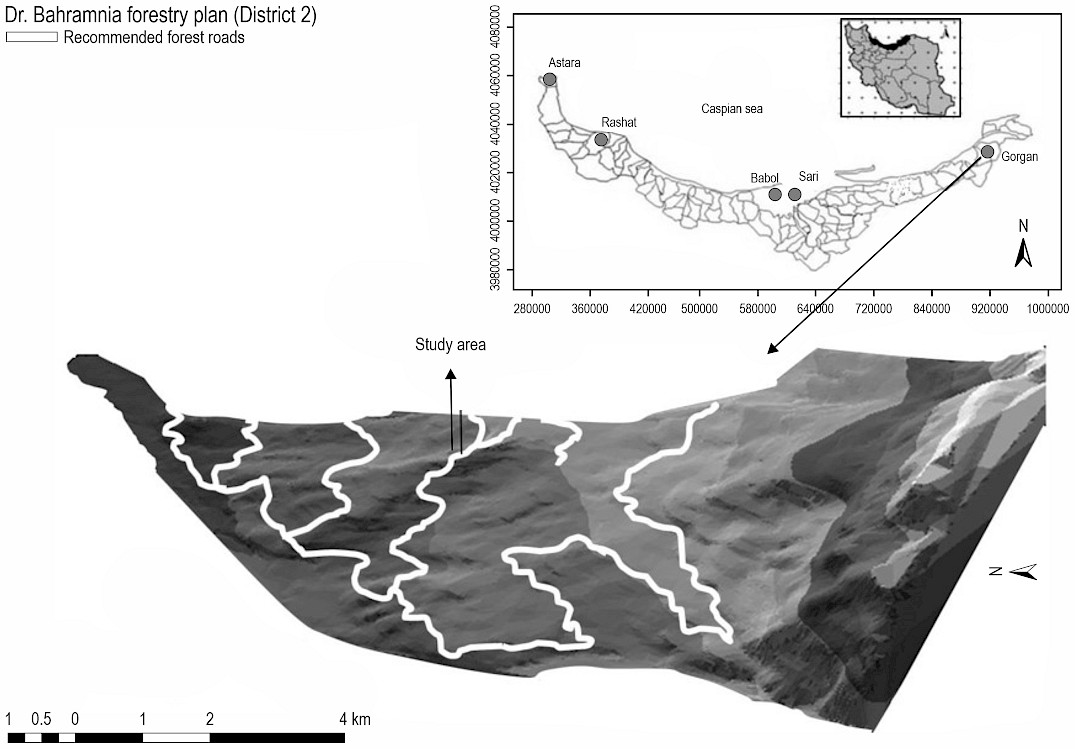
Fig. 1 Geographical position of soil sampling areas for treatments
2.2 Soil Properties
In this study, MH soil samples were collected randomly at intervals of 250 meters in Shast Kalateh Forestry Plan. Each sampling was carried out with non-mechanized tools from a depth of 10–50 cm. In total, 450 kg of samples were prepared for soil mechanics tests. In order to identify the grain size of the soil samples, three soil samples, each weighing 100 g, were sieved using a wet sieve shaker and then the corresponding curve was drawn. The grain size distribution of MH soil is shown in Fig. 2 (ASTM D 422-63).
2.3 Biopolymers
XG, GG, and BG biopolymers have been used in this study to improve the mechanical strength of MH soil (Fig. 3). A summary of the properties of these biopolymers is presented in Table 1.
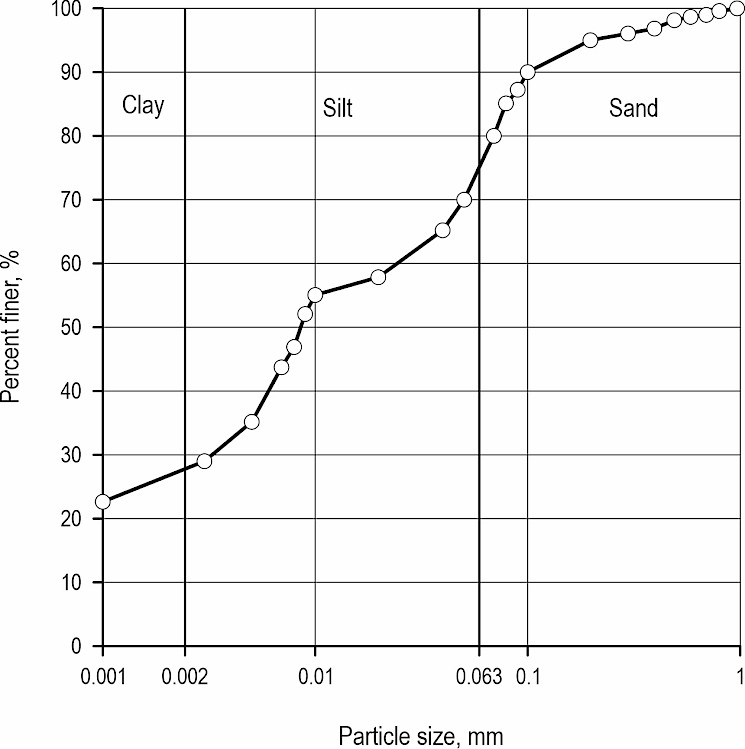
Fig. 2 Particle-size distributions of MH soil
2.4 Specimen Preparation
The biopolymer dosages for investigation were 0%, 0.1%, 0.2%, 0.4%, and 0.6%, respectively. These specific concentrations were selected according to effective dosage used in previous studies and practical application limits. A total of 45 soil samples with a weight of 10 kg were prepared. Then, 100, 200, 400 and 600 g of biopolymers were added to the soil samples in three replications. Biopolymer solutions and soil were mixed with an industrial mixer. In the next step, the effect of these biopolymers on the Atterberg limits, Proctor density, and CBR was measured in curing times of 7 and 28 days. The appropriate number of samples was calculated by considering t=2 and E95%=± 8% from Eq. 1 (Zubiri 2000).

Considering the statistical error of ±8%, these replications were enough for statistical analysis.
2.5 Test Procedure
Atterberg limits (ASTM D4318), proctor density (ASTM D1557) and bearing ratio (ASTM D1883) were carried out to determine and analyze the mechanical properties of specimens made of plain and biopolymer-treated soil in the soil mechanics laboratory:
Atterberg limit tests: Three samples of each treatment were prepared for Atterberg limit tests. LL test was performed using the Casagrande cup. The soil passed through the No. 40 sieve was mixed with water and poured into a brass cup to a height of 8 mm and its surface was smoothed with the help of a spatula. 2 mm wide groove was created in the soil with a slitter. By turning a handle, the cup rises and falls from a height of one centimeter. By repeating the blows, the edges of the groove gradually come closer together. The number of blows required to close a groove of 13 mm was noted. At this stage, the percentage of moisture in the soil was measured. According to the definition of the LL, it is the percentage of moisture at which the groove closes after 25 blows (Atterberg 1911). The PL testing was performed with employing the tread-rolling method. PL is the moisture at which the soil starts to crack at a diameter of 2.3 mm (Eq. 2):

The plasticity index (PI) was obtained from the difference between LL and PL (Eq. 3):

Table 1 Physicochemical characteristic of biopolymers
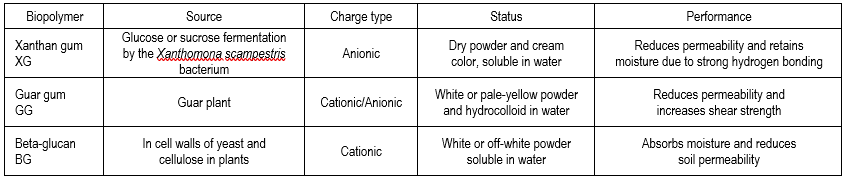
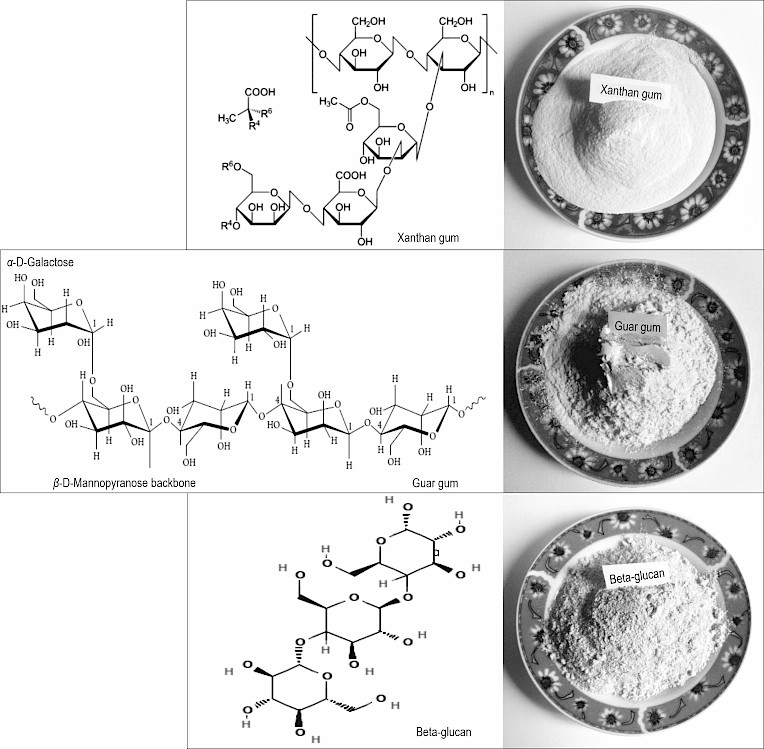
Fig. 3 Structure of XG, GG and BG biopolymers
Proctor and CBR tests: CBR value was recorded after determining MDD and OMC. About 7 kg of soil was passed through a No. 4 sieve and then mixed with water to reach OMC. This soil was compacted into the mold using the standard compaction method and its surface was smoothed (ASTM D1557). The mold was placed under the machine so that the piston was tangent to the surface of the sample soil. In the next step, the force gauge and penetrometer were zeroed and the device was turned on. At this stage, the numbers on the pressure gauge (hour indicator) were read at penetrations of 1.25, 6.25, 12.5, 18.75, 25, and 31.25 cm. Then, the CBR value was calculated using two pressure gauge readings at penetrations of 6.25 and 12.5 cm and the standard load for piston penetration (Davidson and Gardiner 1949, Eq. 4).

Scanning electron microscope (SEM): In order to observe the effect of optimal treatment on the strengthening of MH soils, A scanning electron microscope (SEM; PEMTRON PS-230, South Korea) was used. Scanning electron microscope is one of the tools used in nanotechnology that generally works in vacuum. After creating a vacuum by performing a scanning operation by bombarding the sample with an electron beam, electrons and photons are released from the sample towards the detectors and converted into signals there. The signals contain information about the topography, composition and other surface properties.
2.6 Statistical Analysis
Experiments were conducted in a factorial design with three main factors, including biopolymer type, biopolymer dosage and curing time. Three replications or samples were prepared for each biopolymer type (3 levels) and each dosage (5 levels). Totally, 45 treated soil samples were prepared in this study. These samples were analyzed in two curing times. Part of each sample was analyzed on the 7th day and the rest on the 28th day. Soil PI, MDD, and CBR are the main response variables used in the current study. Kolmogorov-Smirnov test, analysis of variance (ANOVA), and comparison of means (LSD) were performed in SPSS software.
3. Results
3.1 Atterberg Limits
Biopolymer type (F=6.06; p=0.004) and dosage (F=8.36; p=0.001) significantly affected the PI of silty soil, while curing time had no significant effect (F=2.18; p=0.145). Only the interaction between biopolymer type and dosage had a significant effect on PI (F = 3.77, p = 0.001). The reduction of LL and PL with the addition percentages of XG decease PI values of soil samples. With the addition of XG up to 0.6%, Atterberg limits of samples was decreased during the curing periods. Also, the Atterberg limits values of MH soils were strongly influenced by the amount of BG dosage. Decreasing trend in PL, LL, and PI was detected for BG dosage up to 4%. At a dosage of 6%, a slight increase in the Atterberg limit values was observed. Decreasing trend in PL, LL, and PI was detected for GG dosage up to 2%, and thereafter PL, LL, and PI increased significantly with increasing biopolymer dosage (Fig. 4). It was observed that the soil PI gradually decreased with increasing the XG dosage. Regarding the BG, a change in plasticity class from MH to ML was observed in dosages of 0.2% and 0.4%. Moreover, plasticity class change occurred by adding 0.2% GG (Fig. 5). As can be seen in Fig. 6, although the PI of soil samples treated with biopolymers decreased over time, it did not change significantly.
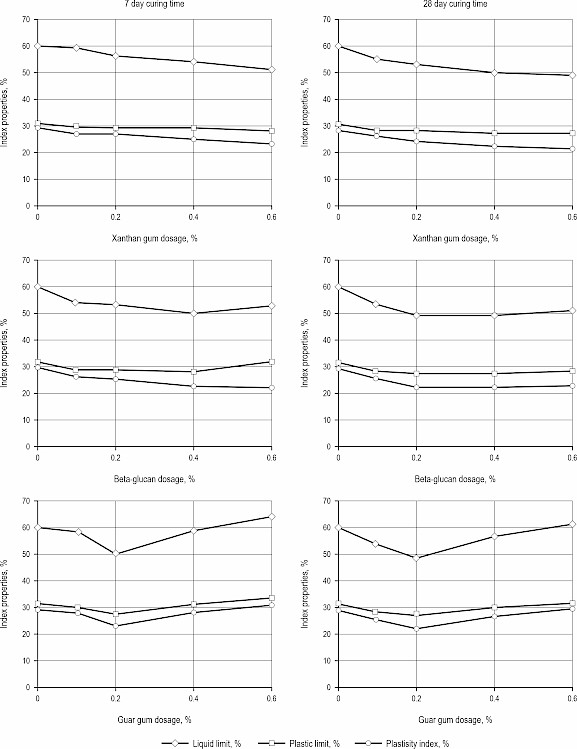
Fig. 4 Effect of biopolymer dosage on Atterberg limits of MH soil in 0 and 28 day curing time
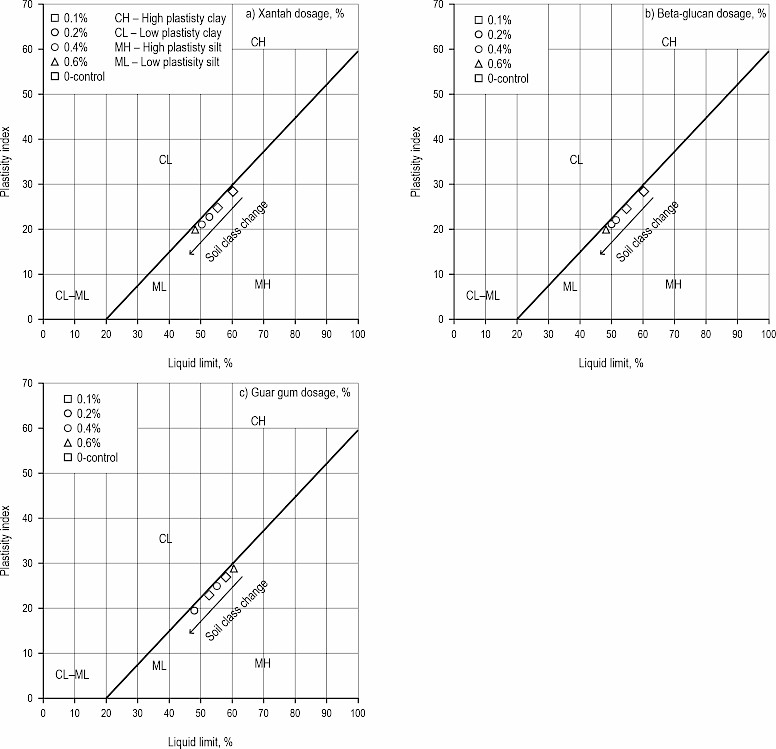
Fig. 5 Consistency limits of biopolymer-treated soil
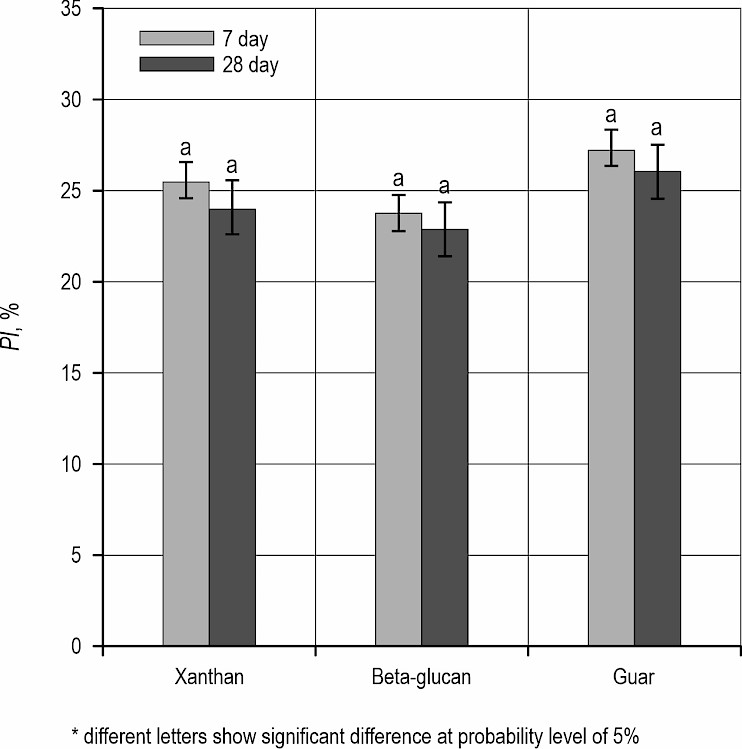
Fig. 6 Comparison of PI of treated soils in different curing times
3.2 Proctor Density
As can be seen, the effect of curing time (F=5.98; p=0.017), biopolymer type (F=2.55; p=0.044), and biopolymer dosage (F=2.71; p=0.038) on MDD were statistically significant, while treatment interactions had no significant effect on MDD (p>0.05). The results show an increasing trend in the MDD and OMC values by increasing XG dosage (Fig. 7). The proctor test results showed increasing trend in the MDD and OMC values for biopolymer dosage up to 0.4%. The greatest changes (+10.9%) in the MDD of MH soils were only recorded with the addition of 0.4% BG (p<0.05). So that in this treatment, MDD reached 1.73 g cm-3 after 28 days. In addition, an increasing trend in MDD and OMC was only detected for GG dosage up to 0.2%. In the case of GG, the highest MDD was recorded after 28 days at a dosage of 0.2% (1.64 g cm-3), and then MDD decreased beyond this point (p<0.05; Table 2). As can be seen in Fig. 8, the MDD of soil samples treated with biopolymers significantly increased over curing time.
3.3 California Bearing Ratio
As can be seen, the effect of curing time (F=24.02; p=0.001), biopolymer type (F=47.81; p=0.001), and biopolymer dosage (F=11.60; p=0.001) on the CBR of MH soil was significant. The interaction effect of biopolymer type and dosage on the CBR of soil was significant (F=9.36; p=0.001), while other interactions had no significant effect on the CBR (p>0.05). An increasing trend in the CBR value was detected by increasing XG dosage. It was observed from the results that the CBR value increased with an increase in BG dosage up to 0.4%. Upon further increase in biopolymer dosage, a decrease in CBR of MH was observed under unsoaked conditions. The greatest changes (+60.0%) in CBR of MH soils were recorded by adding of 0.4% BG (p<0.05). So that in this treatment, the CBR value reached 12.24% after 28 days. By examining the changes in CBR, it was found that except for the treatment of 0.6% GG, the CBR changes were positive for other dosages after 28 day (p<0.05; Table 3). The results of CBR tests for the control and treated sample are shown in Fig. 9. Moreover, adding different biopolymers leads to an increase in CBR values. As shown in Fig. 10, the MDD of soil samples treated with biopolymers significantly increased over curing time.
Table 2 OMC and MDD variation by adding biopolymers in curing time of 0 and 28 days
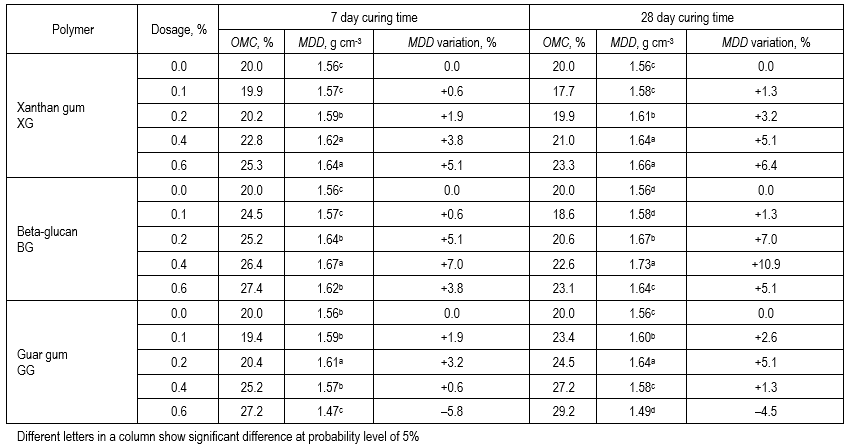
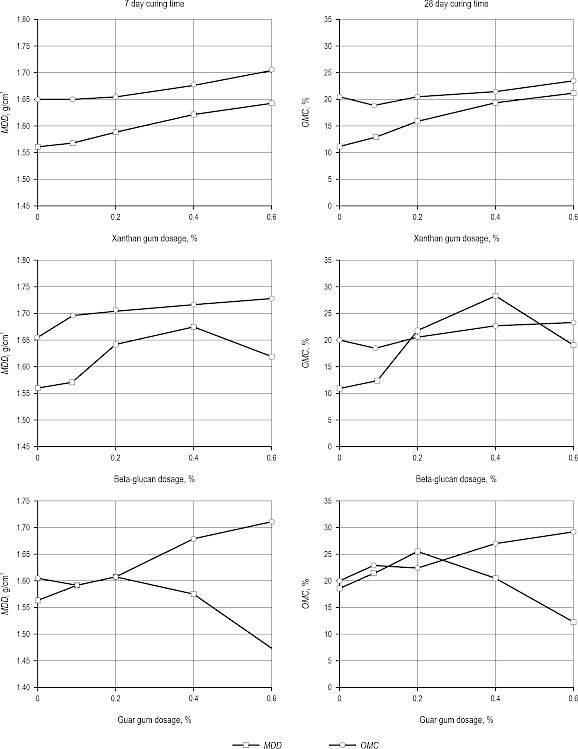
Fig. 7 Trend of OMC and MDD at different biopolymer percentage for MH
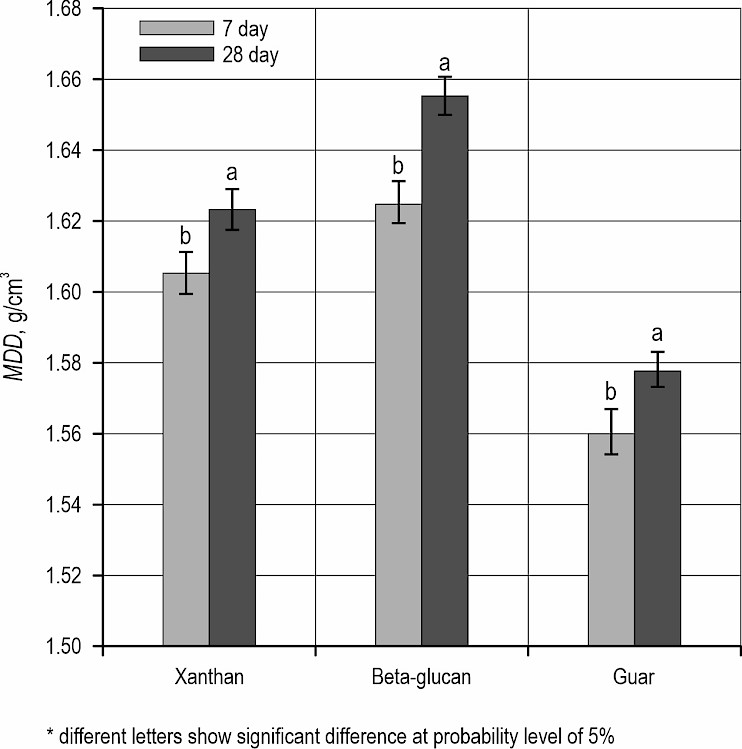
Fig. 8 Comparison of MDD of treated soils in different curing times
Table 3 CBR variation by adding biopolymers in curing time of 0 and 28 days
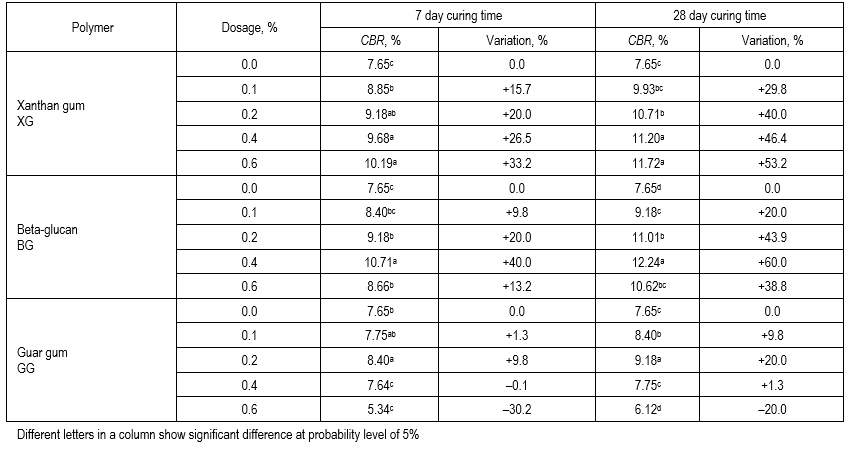
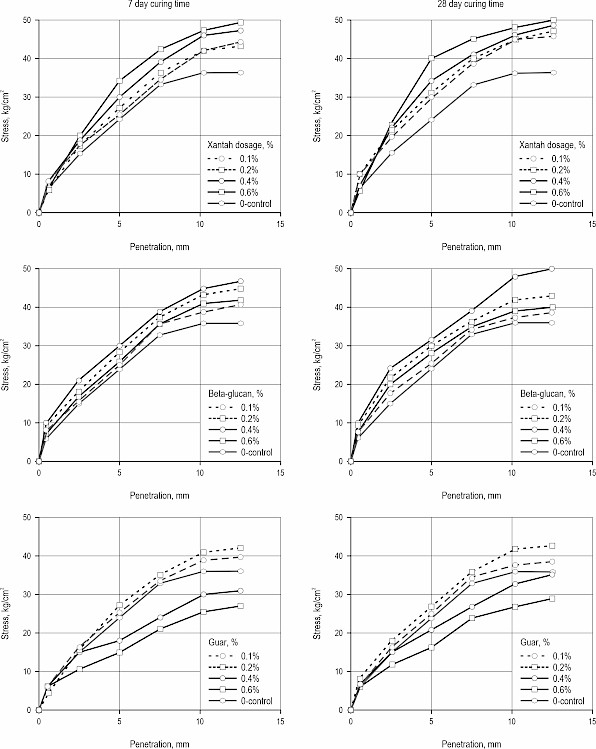
Fig. 9 CBR results of treated and control soils for MH
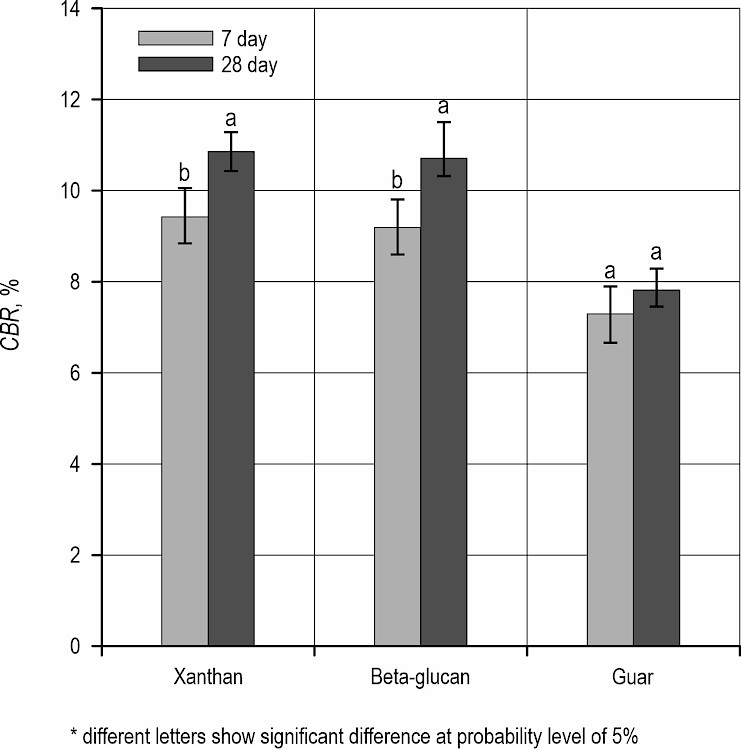
Fig. 10 Comparison of CBR of treated soils in different curing times
3.4 SEM Analysis
Beta-glucan causes agglomeration and stabilization of silty soil with high viscosity through crosslinking. SEM images of the silt-beta-glucan mixture show that long molecular structures of beta-glucan surround silt soil particles and beta-glucan gels cover silt aggregates (Fig. 11).
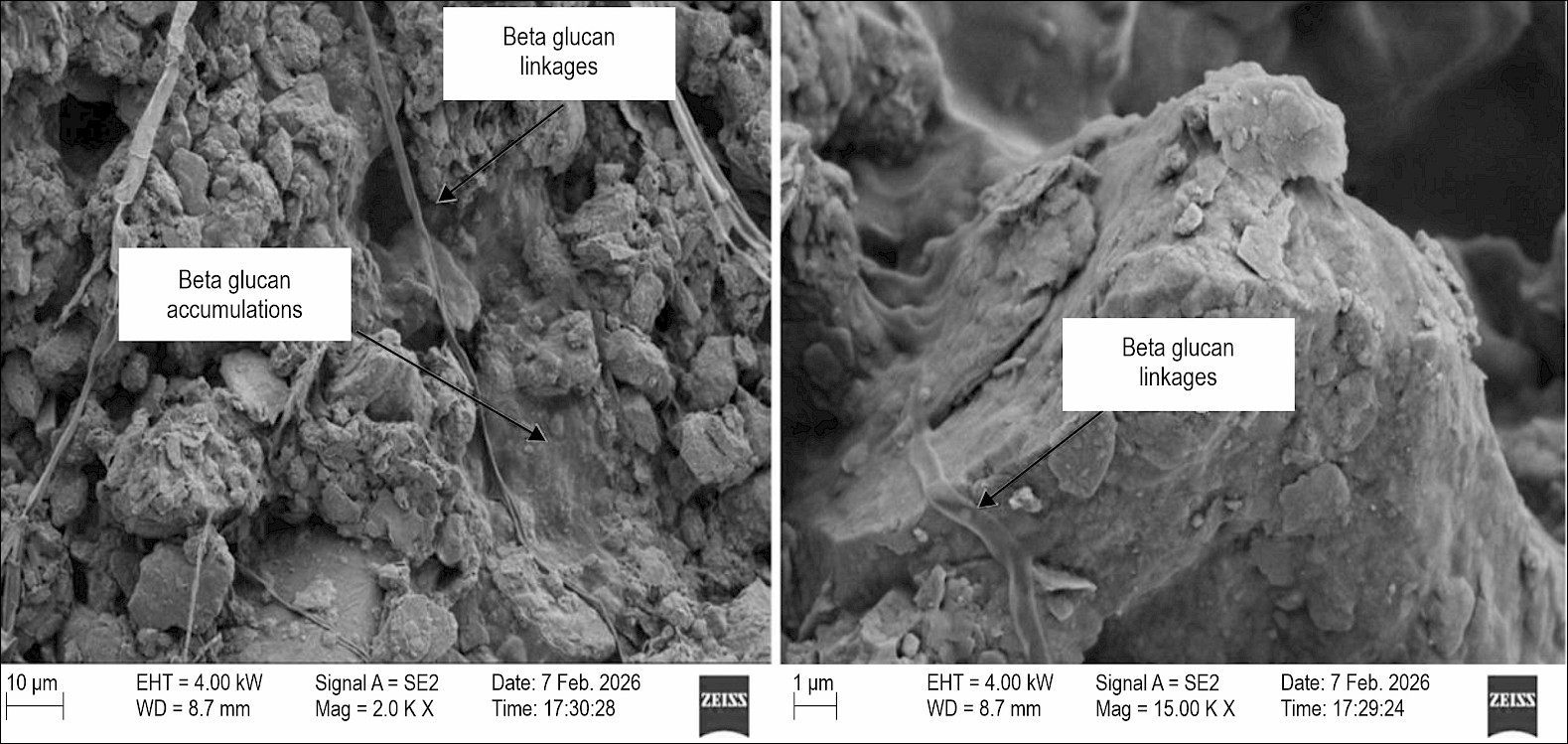
Fig. 11 Microscopic image of the effect of beta-glucan biopolymer at a concentration of 0.4% on MH soil
4. Discussion
Atterberg limits are primary indicators in soil mechanics evaluations that can show critical water contents of fine-grained soil. PI of silty soil decreased with increasing XG biopolymer dosage. Finding silty soil with high clay content and transporting it to the laboratory were the most important limitations of the present study. In BG treatment, decreasing trend of soil PI stopped at dosage of 0.4% and then increased with increasing BG content. The use of XG at a dosage of 0.6% caused a change in soil plasticity class from MH to ML after 28 days. This change in plasticity class occurred with the addition of 0.2% and 0.4% BG and 0.2% GG to the soil. ML is low-plasticity inorganic silt with a LL less than 50, while MH is high-plasticity silt, also with a LL greater than or equal to 50, falling on or above the A-line on a plasticity chart. The key difference is the plasticity, with ML soils exhibiting low plasticity and MH soils exhibiting high plasticity, reflected in their Liquid Limits (Bouazza et al. 2009, Consoli et al. 2016). Low plasticity silty soil presents unique geotechnical challenges, as its low plasticity, high permeability, and tendency to dilate (expand) during shear can lead to issues like high deformation, settlement, and liquefaction, but also offer higher bearing capacity and lower settlement when properly compacted compared to high-plasticity clays (Kwon et al. 2019, Cabalar et al. 2023). In this study, the interaction of biopolymer type and dosage was significant for PI and CBR. This can help identify the best treatment. Changing the type and concentration of biopolymers simultaneously affected the mechanical properties of the soil. The optimum dosage was found to be 0.2% for GG and 0.4% for BG, while a notably higher dosage of 0.6% was deemed optimum for XG.
Compaction is a key process in soil reinforcement, in which the soil is compacted to a target density after mixing with biopolymers. The compaction characteristics of soil can affect CBR values and the subgrade strength of roads. Biopolymers can significantly improve the MDD, CBR, and PI of silty soil. This improvement is primarily due to the ability of biopolymers to bind soil particles together, reduce void spaces, and create a more cohesive and dense soil structure (Joga and Varaprasad 2019, Kwon et al. 2019). In the current study, increasing XG content leads to increasing MDD of the soil samples. XG has a high viscosity even at low content, which can significantly influence soil behavior under various stress conditions. This biopolymer fills up the pore spaces in the soil and also bonds with the fine particles of clay, thus increasing the dry density of the soil (Chang et al. 2015, Ayeldeen et al. 2017, Cabalar et al. 2017, Mahamaya et al. 2021). The higher mechanical properties in samples containing 0.6% biopolymer can be attributed to the better formation of polymer interwoven networks in the soil matrix (Mendonça et al. 2021, Vydehi and Moghal 2022). At this optimal dosage, XG - an anionic polysaccharide with multiple side chains - forms hydrogen and ionic bonds with soil particles and dissolved ions (Soldo et al. 2020, Sahoo and Singh 2022). This finding is consistent with the results of the research of Askari et al. (2025), with the difference that the optimal dosage of XG for stabilizing silty sandy soil was reported to be 2%, which can be attributed to the nature and type of treated soil. In our study, the increasing trend of soil mechanical strength factors along with increasing XG amounts indicates that it is possible to use higher concentrations of XG to improve the mechanical properties of silty soil in the study area.
The greatest changes in MDD of silty soils were recorded with the addition of 0.4% BG. Therefore, in this treatment, the MDD reached 1.73 g cm-3 after 28 days. This was in agreement with the findings of Chang and Cho (2012). They found that a small amount of BG (0.5%) could still improve silty soil strength to 4310 kPa by enhancing soil inter-particle cohesion and gel-forming potential (Chang and Cho 2012). BGs are linear homopolysaccharides with good tensile strength and high binding and adsorption power. They are composed of D-glucopyranosyl residues linked together via β–(1–3) and β–(1–4) linkages (Vishweshwaran et al. 2021). The important point about BG is that this polymer does not immediately produce a gel. Rather, as the day passes, the biopolymer solution turns into a solid viscous matrix and with the increase in the curing time, the height of the polymer matrix increases (Chang and Cho 2012, Vishweshwaran et al. 2021). The addition of biopolymers can significantly improve the water retention capacity of non-cohesive soil. Biopolymers play an important role in retaining silty soil water and improving material moisture absorption performance. Water content is the key factor affecting the soil strengthening of biopolymers (Cabalar et al. 2017, Mahamaya et al. 2021, Askari et al. 2025). Cementation phenomenon by the filling effect of the biopolymer in the pores between soil particles and the bonding of the biopolymer ions with charged soil particles can slow down the evaporation of water in the soil mass, thus improving the water-holding characteristics of the improved soil mass. Biopolymer particles form hydrogels through hydration, fill the interparticle pores, and increase the adhesion between particles. Moreover, a pore space similar to a honeycomb structure is formed in silts modified with xanthan gum and Guar gum, providing space for water storage and ameliorating the water retention characteristics of the treated soil (Jiang 2024, Maleki et al. 2025).
Adding GG to silty soils did not yield favorable results compared to other treatments. This can be attributed to highly viscous nature of GG biopolymer, which changes the water absorption and specific gravity of the soil sample resulting in decrease in MDD at higher biopolymer content (Hamza et al. 2023, Jiang 2024). By examining the trend of changes in maximum soil dry density, it was found that except for the treatment of 0.6% dosage of GG, the MDD changes were positive and increasing in other treatments. The reaction of hydrophilic functional groups of agar gum and GG with water molecules causes the formation of hydrogel, and this hydrogel increases MDD and CBR by filling the pores and covering the surface of soil grains (Kumar et al. 2023, Maleki et al. 2025). In this study, MDD and CBR values of biopolymer-treated specimens increased over the curing time. Curing time significantly affects biopolymer-treated soils by allowing for moisture loss and biopolymer chain development, leading to increased strength, stiffness, and adhesion over time. Initial strength gains are rapid within the first 7–14 days, followed by stabilization or slower increases, with 14 to 28 days often considered the optimum curing period for reaching peak strength and material stabilization (Ayeldeen et al. 2017, Ravichandran et al. 2017, Joga and Varaprasad 2019).
Based on the prices of the summer of 2025, the price of each kilogram of GG is 5.3 $, XG is 15.2 $, and BG is 8.3 $. Stabilizing a roadbed 100 m long, 5 m wide, and 20 cm deep requires treating 100 tons of soil, assuming a soil bulk density of 1 g/cm³. In this situation, in the maximum use of these polymers, 6000 kilograms (6 tons) of each polymer are needed to stabilize each kilogram of soil. Accordingly, the cost of stabilizing each kilometer of road with GG, XG, and BG will be $ 320,000, $ 910,000, and $ 500,000. Moreover, comparisons to conventional chemical stabilizers (e.g., lime, cement), can provide context for the effectiveness of biopolymers. In field-scale implementation, uniform mixing of the biopolymer and soil can be achieved using tillage machinery, while long-term durability under variable weather conditions can be ensured through rolling and surface sealing to reduce permeability. Field trial can present an opportunity to estimate the performance of soil treated with different concentrations of biopolymer under natural conditions with frequent rainfall events.
5. Conclusions
The present experimental study investigated the efficacy of BG, XG and GG biopolymers (each applied at five different dosages and cured for 7 and 28 day) on the PI, MDD and CBR performance of a high plasticity silty soil. Based on the overall results of the present study, the following conclusions can be made:
The application of water-biopolymer solutions of XG and GG with dosages of up to 2%, only marginally influenced the optimum moisture content and maximum dry unit weight parameters for standard Proctor. MDD and CBR for BG and GG biopolymers followed a rise-fall trend with increasing biopolymer dosage, peaking at an apparent optimum dosage and then subsequently decreasing. The optimum biopolymer dosage was found to be 0.4% for BG, whereas a notably lower dosage of 0.2% was deemed optimum for GG. Similarly, for a given biopolymer type and dosage, increasing the curing time from 7 to 28 days further enhanced the MDD and CBR. MDD and CBR for XG biopolymer followed a rise trend with increasing biopolymer dosage, peaking at 0.6% optimum dosage. Drop in the liquid limit and plasticity index was seen due to better inter-particle bonding of XG and BG and silty soil. Soil plasticity class changed from MH to ML due to this reduction. Finally, it was detected that BG in dosage of 0.4% could improve the strength and stability of MH soil, particularly in curing time of 28 days. Biopolymers perform better at lower doses than traditional additives such as lime and cement, and this is pushing the boundaries of knowledge and moving towards the use of more effective, smaller, and more biocompatible additives. Long-term cost-effectiveness, supply chain variability, or environmental costs/benefits must be considered in future researches.
Acknowledgments
We gratefully acknowledge Iran National Science Foundation (Vice-Presidency for Science and Technology) for the financial support of this work (Research plan no: 4034023). Special thanks are also extended to the anonymous reviewers for their valuable and constructive comments.
6. References
Arabani, M., Shalchian, M.M., 2024: A review of the use of bio-based substances in soil stabilization. Environ. Develop. & Sust. 26(6): 13685–13737. https://doi.org/10.1007/s10668-023-03241-w
Askari, F., Gharib, M., Ranjbar Malidarreh, N., Esmaeilnia Amiri, M., Soleimani Kutanaei, S., 2025: Investigation of self-healing process and strength of biopolymer-stabilized silty sand: Comparison of Xanthan and Persian gum in geotechnical engineering. Carb. Polymer Tech. App. 11: 100–115. https://doi.org/10.1016/j.carpta.2025.100914
Atterberg, A., 1911: On the investigation of the physical properties of soils and on the plasticity of clays. Int. Mitteil. Bod. 1: 10–43.
Ayeldeen, M., Negm, A., El-Sawwaf, M., Kitazume, M., 2017: Enhancing mechanical behaviors of collapsible soil using two biopolymers. J. Rock Mech. Geo. Eng. 9(2): 329–339. https://doi.org/10.1016/j.jrmge.2016.11.007
Ayeldeen, M.K., Negm, A.M., El Sawwaf, M.A., 2016: Evaluating the physical characteristics ofbiopolymer/soil mixtures. Arab. J. Geosci. 9(5): 371. https://doi.org/10.1007/s12517-016-2366-1
Anandha, K.S., Ramani, S.E., 2020: Performance evaluation of β-glucan treated lean clay and efficacy of its choice as a sustainable alternative for ground improvement. Geo. Eng. 21(5): 413–422. https://doi.org/10.12989/gae.2020.21.5.413
Awasthi, S.K. Kumar, M., Kumar, V., Sarsaiya, S., Anerao, P., Ghosh, P., Singh, L., Liu, H., Zhang, Z., Awasthi, M.K., 2022: A comprehensive review on recent advancements in biodegradation and sustainable management of biopolymers. Environ. Pollution 307: 137–145. https://doi.org/10.1016/j.envpol.2022.119600
Bacic, A., Fincher, G.B., Stone, B.A., 2009: Chemistry, biochemistry, and biology of 1-3 Beta Glucans and related polysaccharides. Academic Press. 8: 11–19. https://doi.org/10.1016/B978-0-12-373971-1.X0001-5
Bouazza, A., Gates, W.P., Ranjith, P.G. 2009: Hydraulic conductivity of biopolymer-treated silty sand. Géotechnique. 59(1): 71–72. https://doi.org/10.1680/geot.2007.00137
Bozyigit, I., Javadi, A., Altun, S., 2021: Strength properties of xanthan gum and guar gum treated kaolin at different water contents. J. Rock. Mech. Geotech. Eng. 13(5): 1160–1172. https://doi.org/10.1016/j.jrmge.2021.06.007
Chang, I., Im, J., Prasidhi, A.K., Cho, G.C., 2015: Effects of xanthan gum biopolymer on soil strengthening Construct. Build. Mater. 74: 65–72. https://doi.org/10.1016/j.conbuildmat.2014.10.026
Chang, I., Cho, G.C., 2012: Strengthening of Korean residual soil with β-1,3/1,6-glucan biopolymer. Constr. Build. Mater. 30: 30–35. https://doi.org/10.1016/j.conbuildmat.2011.11.030
Cabalar, A.F., Wiszniewski, M., Skutnik, Z., 2017: Effects of Xanthan gum biopolymer on the permeability, odometer, unconfined compressive and triaxial shear behavior of a sand. Soil. Mech. Found. Eng. 54(5): 356–361. https://doi.org/10.1007/s11204-017-9481-1
Cabalar, A.F., Akbulut, N., Demir, S., Yildiz, O. 2023: Use of a Biopolymer for Road Pavement Subgrade. Sustainability 15(10): 8231–8248. https://doi.org/10.3390/ su15108231
Choi, S.J., Bae, S.H., Lee, J., Bang, E., Choi, H.Y., Ko, H.M., 2022: Effect of bio-inspired polymer types on engineering characteristics of cement composites. Polymers. 14(9): 1808. https://doi.org/10.3390/polym14091808
Chen, R., Zhang, L., Budhu, M., 2013: Biopolymer stabilization of mine tailings. J. Geotech. Geoenviron. Eng. 139(10): 1802–1807. https://doi.org/10.1061/(ASCE)GT.1943-5606.0000902
Consoli, N.C., Ferreira, P.M.V., Tang, C.S., Marques, S.F.V., Festugato, L., Corte, M.B., 2016: A unique relationship determining strength of silty/clayey soils: Portland cement mixes. Soils Found. 56(6): 1082–1088. https://doi.org/10.1016/j.sandf.2016.11.011
Davidson, D.T., Gardiner, W.F., 1949: Calculation of standard proctor density and optimum moisture content from mechanical, analysis, shrinkage and factors and plasticity index. Highway. Res. Board. 29(1): 447–481.
Dehghan, H., Tabarsa, A., Latifi, N., Bagheri, Y., 2018: Use of xanthan and guar gums in soil strengthening. Clean Tech. Environ. Pol. 21(1): 155–165. https://doi.org/10.1007/s10098-018-1625-0
Fatehi, H., Ong, D.E.L., Yu, J., Chang, I., 2021: Biopolymers as green binders for soil improvement in geotechnical applications: a review. Geosciences. 11(7): 291–301. https://doi.org/10.3390/geosciences11070291
Fatehi, H., Abtahi, S.M., Hashemolhosseini, H., Hejazi, S.M., 2018: A novel study on using protein based biopolymers in soil strengthening. Constr. Build. Mater. 167: 813–821. https://doi.org/10.1016/j.conbuildmat.2018.02.028
Guo, L., 2014: Investigation of soil stabilization using biopolymers. A thesis submitted to the graduate faculty in partial fulfillment of the requirements for the degree of Master of Science, Iowa State University, Ames, Iowa, 111 p. https://doi.org/10.31274/etd-180810-231
Hataf, N., Ghadir, P., Ranjbar, N., 2018: Investigation of soil stabilization using chitosan biopolymer. J. Cleaner. Prod. 170: 1493–1500. https://doi.org/10.1016/j.jclepro.2017.09.256
Hamza, M., Nie, Z., Aziz, M., 2023: Geotechnical properties of problematic expansive subgrade stabilized with guar gum biopolymer. Clean. Technol. Environ. Policy. 25(5): 1699–1719. https://doi.org/10.1080/14680629.2022.2092027
Heinimann, H.R., 2021: Pavement engineering for forest roads: development and opportunities. Croat. j. for. eng. 42(1): 91–106. https://doi.org/10.5552/crojfe.2021.860
Joga, J.R., Varaprasad, B.J.S., 2019: Sustainable improvement of expansive clays using Xanthan gum as a biopolymer. Civil. Eng. J. 5(9): 1893–1903. https://doi.org/10.28991/cej-2019-03091380
Jang, J., 2020: A review of the application of biopolymers on geotechnical engineering and the strengthening mechanisms between typical biopolymers and soils. Hindawi, Adv. Mat. Sci. Eng. 5: 116–132. https://doi.org/10.1155/2020/1465709
Jiang, X., 2024: Study on engineering characteristics of silty clay solidified by guar gum. Hans. J. Civil. Eng. 13(12): 2282–2291. https://doi.org/10.12677/hjce.2024.1312251
Judge, P.K., Sundberg, E., DeGroot, D.J., Zhang, G., 2022: Effects of biopolymers on the liquid limit and undrained shear strength of soft clays. Bull. Eng. Geo. Environ. 81(8): 342–349. https://doi.org/10.1007/s10064-022-02830-9
Kwon, Y.M., Chang, I., Lee, M., Cho, G.C., 2019: Geotechnical engineering behavior of biopolymer-treated soft marine soil. Geomech. Eng. 17(5): 453–464. https://doi.org/10.12989/gae.2019.17.5.453
Kumar, S.A., Sujatha, E.R., Pugazhendi, A., Jamal, M.T., 2023: Guar gum-stabilized soil: a clean, sustainable and economic alternative liner material for landfills. Clean Technol. Environ. Policy. 25(2): 323–341. https://doi.org/10.1007/s10098-021-02032-z
Latifi, N., Horpibulsuk, S., Meehan, C.L., Abd Majid, M.Z., Tahir, M.M., Mohamad, E.T., 2017: Improvement of problematic soils with biopolymer-an environmentally friendly soil stabilizer. J. Mater. Civ. Eng. 29(2): 40–56. https://doi.org/10.1061/(ASCE)MT.1943-5533.0001706
Lotfalian, M., Parsakhoo, A., Savadkoohi, A., 2016: Improvement of forest road gravel surfacing quality by nano-polymer CBR PLUS. Croatian. J. For. Eng. 37(2): 345–352.
Lee, M., Kwon, Y.M., Park, D.Y., Chang, I., Cho, G.C., 2022: Durability and strength degradation of xanthan gum based biopolymer treated soil subjected to severe weathering cycles. Sci. Rep. 12(1): 194–203. https://doi.org/10.1038/s41598-022-23823-4
Lee, S., Chung, M., Park, H.M., Song, K.I., Chang I., 2019: Xanthan gum biopolymer as soil-stabilization binder for road construction using local soil in Sri Lanka. J. Mater. Civ. Eng. 31(11): 147–156. https://doi.org/10.1061/(ASCE)MT.1943-5533.0002909
Maleki, P., Gharib, M., Soleimani Kutanaei, S., Ghasemnejad, H., Ranjbar Malidarreh, N., 2025: Static and dynamic behavior of loose sand and silty sand treated with guar and agar gums (Micro and macro study). Carb. Polymer Tech. App. 11: 100–112. https://doi.org/10.1016/j.carpta.2025.100944
Maleki, P., Gharib, M., Kutanaei, S.S., Ghasemnejad, H., Malidarreh, R., 2025: Environmentally friendly method for stabilizing sand and silty sand using biopolymer (non destructive test method application). Res. Eng. 25: 104–116. https://doi.org/10.1016/j.rineng.2025.104376
Mahamaya, M., Das, S.K., Reddy, K.R., Jain, S., 2021: Interaction of biopolymer with dispersive geomaterial and its characterization: an eco-friendly approach for erosion control. J. Clean. Prod. 312: 127–138. https://doi.org/10.1016/j.jclepro.2021.127778
Mansourkiaei, Y., Fateh, S., Shalchian, M.M., Arabani, M., Payan, M., Ranjbar P.Z., 2025: The impact of raspberry fiber and xanthan gum in improving the mechanical properties and freeze-thaw durability of bentonite soil subgrade. Case. Stu. Const. Mater. 22: e04569. https://doi.org/10.1016/j.cscm.2025.e04569
Mendonça, A., Morais, P.V., Pires, A.C., Chung, A.P., Oliveira, P.V., 2021: A review on the importance of microbial biopolymers such as xanthan gum to improve soil properties. Appl. Sci. 11(1): 170–181. https://doi.org/10.3390/app11010170
Mousavi, F., Abdi, E., Taheri, A., 2023: Effects of sodium nanoalginate and lime on swelling properties of expansive soils. Minerals. 13(12): 1515. https://doi.org/10.3390/min13121515
Mohammed, H., Abbas, W.A., 2020: Effect of biopolymer alginate on some properties of concrete. J. Eng. 26(6): 121–131. https://doi.org/10.31026/j.eng.2020.06.10
Patwa, D., Dubey, A.A., Ravi, K., Sreedeep, S., 2024: Biopolymer stabilization of highly plastic silty soil for rammed earth construction materials. Proceedings of the Indian Geotechnical Conference 2022 Volume 3. IGC 2022. Lecture Notes in Civil Engineering, vol 478. Springer, Singapore. https://doi.org/10.1007/978-981-97-1745-3_33
Rasheed, R.M., Moghal, A.A.B., Basha, B.M., Almajed, A., 2025: Effect of chitosan and casein on the CBR behavior of silty clay for low volume roads: Reliability-based design optimization approach. Constr. Build. Mater. 473: 211–222. https://doi.org/10.1016/j.conbuildmat.2025.141014
Ravichandran, N., Mahmoudabadi, V., Shrestha, S., 2017: Analysis of the bearing capacity of shallow foundation in unsaturated soil using Monte Carlo simulation. Int. J. Geosci. 8(10): 1231–1250. https://doi.org/10.4236/ijg.2017.810071
Rezaee Motlagh, A., Parsakhoo, A., Najafi, A., Mohammadi, J., 2024: Development of a Sustainable Maintenance Strategy for Forest Road Wearing Courses in Different Climate Zones. Croat. j. for. eng. 45(1): 139–156. https://doi.org/10.5552/crojfe.2024.2216
Rosalam, S., England, R., 2006: Review of xanthan gum production from unmodified starches by Xanthomonas comprestris sp. Enzym. Microb. Technol. 39(2): 197–207. https://doi.org/10.1016/j.enzmictec.2005.10.019
Sasar, M., Abdelaziz, S.L., 2025: The short-term and long-term performance of biopolymer-remediated soils. MRS Advances. 10(17): 2012–2020. https://doi.org/10.1557/s43580-025-01432-3
Sahoo, S., Singh, S.P., 2022: Strength and durability properties of expansive soil treated with geopolymer and conventional stabilizers. Construct. Build. Mater. 328: 127–134. https://doi.org/10.1016/j.conbuildmat.2022.127078
Seo, S., Lee, M., Im, J., Kwon, Y., Chung, M., Cho, G., Chang, I., 2021: Site application of biopolymer-based soil treatment (BPST) for slope surface protection: in-situ wet-spraying method and strengthening effect verification. Constr. Build. Mater. 307: 124–131. https://doi.org/10.1016/j.conbuildmat.2021.124983
Singh, S.P., Das, R., 2020: Geo-engineering properties of expansive soil treated with xanthan gum biopolymer. Geom. Geoe. 15(2): 107–122. https://doi.org/10.1080/17486025.2019.1632495
Stefan, D.S., Bosomoiu, M., Dancila, A.M., Stefan, M., 2022: Review of soil quality improvement using biopolymers from leather waste. Polymers. 14(9): 1928–1932. https://doi.org/10.3390/polym14091928
Soldo, A., Miletić, M., Auad, M.L., 2020: Biopolymers as a sustainable solution for the enhancement of soil mechanical properties. Sci. Rep. 10(1): 267–276. https://doi.org/10.1038/s41598-019-57135-x
Toufigh, V., Kianfar, E., 2019: The effects of stabilizers on the thermal and the mechanical properties of rammed earth at various humidities and their environmental impacts. Constr. Build. Mater. 200: 616–629. https://doi.org/10.1016/j.conbuildmat.2018.12.050
Vishweshwaran, M., Soundarya, S.T., Ramani, S., 2021: Geotechnical properties of β-Glucan treated high swelling clay. Proceedings of the Indian Geotechnical Conference 2019, IGC-2019 Volume III. 14 p. https://doi.org/10.1007/978-981-33-6444-8_15
Vydehi, K.V., Moghal, A.A.B., 2022: Effect of biopolymeric stabilization on the strength and compressibility characteristics of cohesive soil. J. Mater. Civ. Eng. 34 (2): 214–221. https://doi.org/10.1061/(ASCE)MT.1943-5533.0004068
Wiszniewski, M., Skutnik, Z., Biliniak, M., Çabalar, A.F., 2017: Some geomechanical properties of a biopolymer treated medium sand. Annals of Warsaw University of Life Sciences–SGGW. Land. Recl. 49(3): 201–212. https://doi.org/10.1515/sggw-2017-0016
Zubiri, M., 2000: Statistical collection in the forest. Tehran University Press, 2238, 401 p.
© 2026 by the authors. Submitted for possible open access publication under the
terms and conditions of the Creative Commons Attribution (CC BY) license (http://creativecommons.org/licenses/by/4.0/).
Authors’ addresses:
Assoc. prof. Aidin Parsakhoo, PhD *
e-mail: Parsakhoo@gau.ac.ir
Gorgan University of Agricultural Sciences and Natural Resources
Faculty of Forest Science
Department of Forestry
Gorgan
IRAN
Prof. SeyedAtaollah Hosseini, PhD
e-mail: at.hosseini@ut.ac.ir
University of Tehran
Natural Resources Faculty
Forestry and Forest Economics Department
Karadj
IRAN
* Corresponding author
Received: August 31, 2025
Accepted: June 04, 2026
Original scientific paper