
Forestry Machinery Ergonomic Assessment: A Case Study on Ecotrac Cable Skidders
doi: https://doi.org/10.5552/crojfe.2027.4724
volume: issue, issue:
pp: 11
- Author(s):
-
- Bačić Marin
- Šušnjar Marijan
- Landekić Matija
- Šporčić Mario
- Mergl Václav
- Pandur Zdravko
- Article category:
- Original scientific paper
- Keywords:
- forestry, ergonomics, ergonomic profile, skidder, ergonomic guidelines
Abstract
HTML
Skidders used in forest operations are regarded as specialized machines optimized for effective and safe wood skidding across rugged terrain. Their dimensions, design, and various technical attributes are primarily influenced by practical considerations, such as productivity, durability, energy efficiency, environmental sustainability, and immediate worker safety. However, there is limited knowledge about the ergonomics of these machines, as negative ergonomic aspects often accumulate over time and become apparent much later, in contrast to more immediate features. Featured studies imply ergonomic inferiority of skidders in comparison to other extraction machinery. The aim of this study was to conduct a comprehensive assessment of the ergonomic features of skidders manufactured by the Croatian company Hittner Ltd, and to propose possible solutions for their improvement. For this task, ergonomic guidelines (checklist) for forest machines, established by several European countries, were used. Skidders Ecotrac 60V and 140V were assessed at the Hittner Ltd. facility. Results show significant drawbacks in Cab access, Working posture, and Winch sections. Workstation levelling, better seat, thicker steel rope, and a hydraulic spool-out device were offered as major potential means of improving ergonomics.
Forestry Machinery Ergonomic Assessment: A Case Study on Ecotrac Cable Skidders
Marin Bačić, Marijan Šušnjar, Matija Landekić, Mario Šporčić, Václav Mergl, Zdravko Pandur
https://doi.org/10.5552/crojfe.2027.4724
Abstract
Skidders used in forest operations are regarded as specialized machines optimized for effective and safe wood skidding across rugged terrain. Their dimensions, design, and various technical attributes are primarily influenced by practical considerations, such as productivity, durability, energy efficiency, environmental sustainability, and immediate worker safety. However, there is limited knowledge about the ergonomics of these machines, as negative ergonomic aspects often accumulate over time and become apparent much later, in contrast to more immediate features. Featured studies imply ergonomic inferiority of skidders in comparison to other extraction machinery. The aim of this study was to conduct a comprehensive assessment of the ergonomic features of skidders manufactured by the Croatian company Hittner Ltd, and to propose possible solutions for their improvement. For this task, ergonomic guidelines (checklist) for forest machines, established by several European countries, were used. Skidders Ecotrac 60V and 140V were assessed at the Hittner Ltd. facility. Results show significant drawbacks in Cab access, Working posture, and Winch sections. Workstation levelling, better seat, thicker steel rope, and a hydraulic spool-out device were offered as major potential means of improving ergonomics.
Keywords: forestry, ergonomics, ergonomic profile, skidder, ergonomic guidelines
1. Introduction
Forestry ergonomics has effectively positioned itself as a sub-branch of forest engineering, as the most notable processes that need ergonomic attention involve using tools and machines. The number of articles related to forest ergonomics is ever-growing (Poje and Potočnik 2016), with most represented topics being vibration, noise, workload, postural load, and MSD occurrence (Bačić et al. 2024). However, a broader evaluation of specific forestry jobs or machines that include different ergonomic factors is sparse in the literature.
One of the first broad ergonomic assessments of forestry machinery was conducted by Gerasimov and Sokolov (2009), and it included ergonomic factors such as: location of controls, actuating forces, work posture, operators’ seat, cab, repetitiveness, visibility, noise, and whole-body vibrations. The study took into account official standards and various ergonomic guidelines (VNIITE 1983, Frumkin et al. 1999, Frumerie 1999, Peskov 2004). The observed skidder in this study (Timberjack 460D) scored the lowest values for the visibility due to its very long engine compartment, limiting visibility in front of the machine. Another multi-factorial assessment by Gerasimov and Sokolov (2014) included field measurements that were taken on 36 different pieces of equipment, a personnel survey, and questionnaires for the staff and managers of the logging companies, totaling 130 different parameters. The researchers developed an integrated assessment method using an indicator called the Work Severity Rate. Initially, the Degree of Compliance (Frumkin et al. 1999) was calculated, yielding a value between 0 and 1. Subsequently, the Work Severity Rate was determined, producing a score ranging from 0 to 6, where a higher value denoted greater severity of the working conditions. The study deemed cable skidders as a part of harvesting technology to be ergonomically inferior to other mechanized technologies. Marzano et al. (2017) proposed the Ergonomic Conformity Index (ECI) for the evaluation of harvesters and forwarders. The ECI was initially determined based on four relevant ergonomic factors: noise, vibration, thermal environment, and air quality. In their work, they state that the same methodology could be applied to other forest machines such as feller bunchers and skidders. Furthermore, another comprehensive ergonomic evaluation methodology was proposed by Oliveira et al. (2020, 2021) called the Integrated Ergonomic Indicator (IEI), which is capable of correlating ergonomic variables simultaneously, including the use of productivity information. The ergonomic factors that IEI included were: whole-body vibration, noise, exposure to heat, lighting, repeatability, postures and angles of visibility, with the addition of productivity data. Again, the skidder obtained the worst score with an IEI of 2.32. This unfavorable assessment was primarily influenced by factors such as excessive vibrations, noise, unfavorable posture, and inadequate lateral visibility. The skidder achieved higher productivity than the forwarder at the expense of other ergonomic considerations, ultimately compromising the worker's well-being.
When compared to other forest machines (excluding a chainsaw) in a single-factorial assessment, skidders are often depicted as machines with the worst safety and ergonomic features, in terms of noise (Camargo et al. 2022), whole-body vibrations (Almeida et al. 2015, Lima et al. 2023), postural strain (Paini et al. 2020), and accident occurrence (Potočnik et al. 2009). However, due to cheaper production and operational costs, the ability to traverse harsh terrains and satisfactory productivity, skidders are still dominant as extraction machinery in many countries.
When constructing a machine, engineers must meet the minimum ergonomic requirements prescribed by relevant ISO standards. The European ergonomic and safety guidelines for forest machines (Gellerstedt 2006), developed by experts from France, Germany, Norway, Poland, Sweden, the United Kingdom, and Finland, give guidance on how to design the functions of the machine that influence the operator’s working conditions. The guidelines were developed based on scientific knowledge, official standards, and established practices of people using forest machines. A classification system (class A to D) for each section (e.g., cab, seat) is incorporated in the guidelines. Higher classes (A and B) are proposed for machines with high productivity, used in shifts for long hours, and on different terrains and forest conditions. Lower classes (C and D) are sufficient for easier conditions and shorter working hours, while the class E signifies that the machine does not meet the statutory safety requirements and/or has such serious defects that the operator runs a high risk of injury regardless of the type of use and intensity. The assessment is conducted through a series of measurements and checklists for each observed item within a section. This study uses those ergonomic guidelines to evaluate the ergonomics of skidders manufactured in Croatia and define their overall ergonomic profiles. The guidelines were chosen for their simple and straightforward evaluation of the chosen sections without the necessity for simulating real working conditions. Although the guidelines do not encourage inter-machinery comparison due to major construction differences, it is worth noting that the philosophy of designing a skidder differs significantly from that of other extraction machinery, such as a tower yarder or a forwarder.
2. Materials and Methods
2.1 Observed Machines
Skidders produced by the Croatian company Hittner Ltd. (Table 1) were observed and assessed in this study. The company produces specialized machines for forestry and agricultural applications, and their forestry line mainly consists of two cable skidder models (Fig. 1). The machines were brand new and ready to be delivered to the buyer.
Table 1 Main skidder features
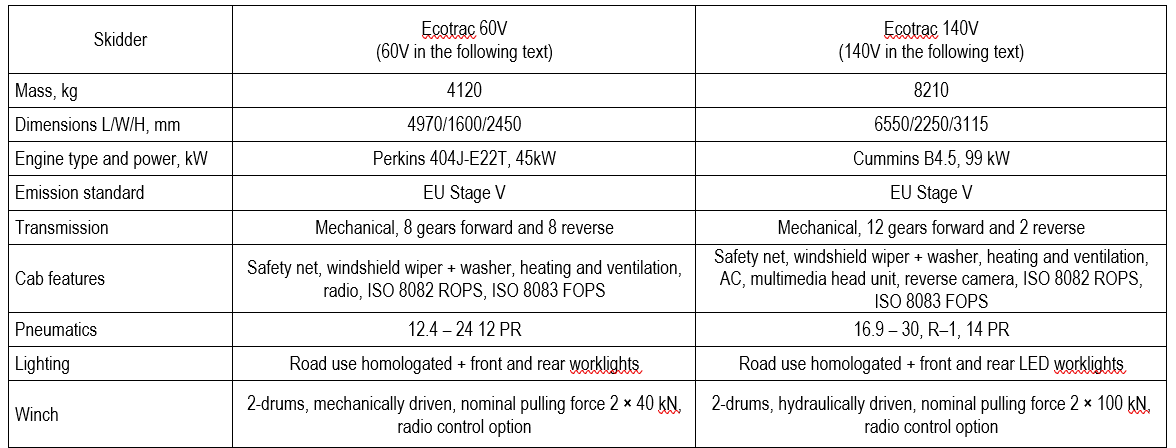
The target market for these skidders is the European Union, and the 60V is considered to be the world's smallest cable skidder designed for thinning purposes.
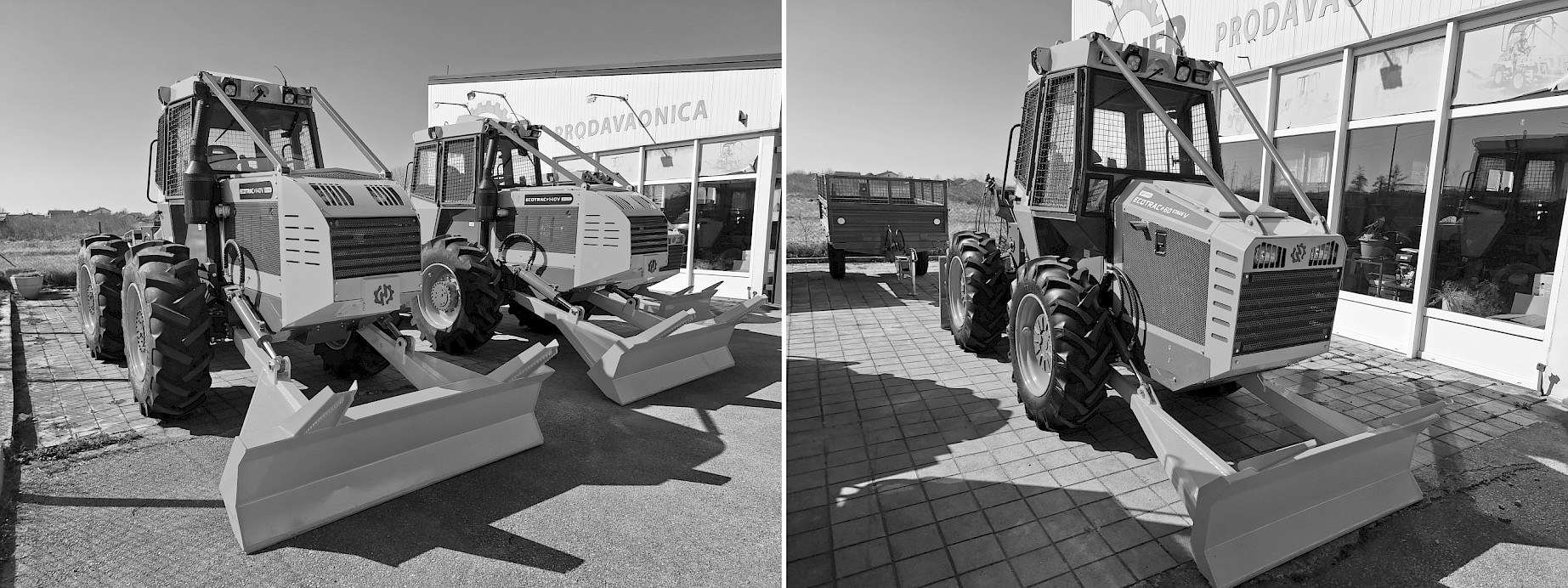
Fig. 1 Ecotrac 60V (left) and 140V (right)
3. Methods and Instruments
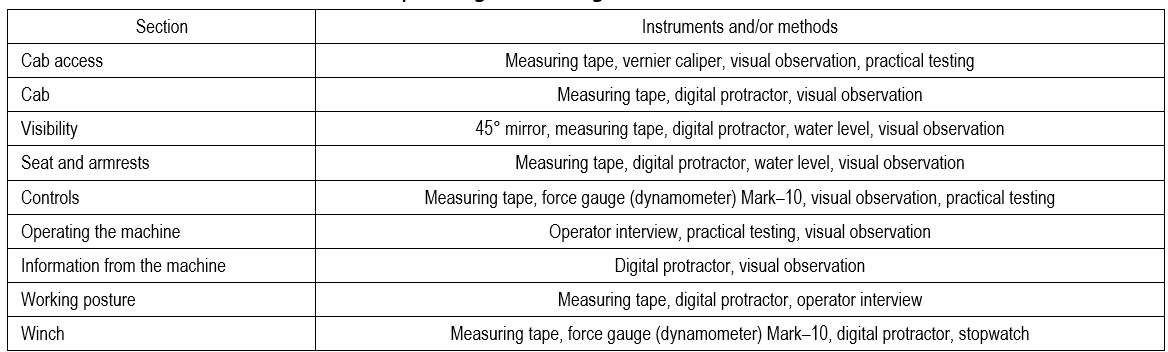
Methods proposed in the European ergonomic and safety guidelines for forest machines (Gellerstedt 2006) were applied in this study, and checklists for designated sections were used on-field. Part of the sections were excluded from the assessment due to a lack of proper measuring conditions and instruments. These sections are: »Noise«, »Vibration«, »Climate control«, »Gases and particulates«, »Lighting«, »Manuals and instructions«, »Maintenance«, »Maintenance index«. Including these sections would provide more comprehensive and broader view of ergonomic conformity of the machines observed. Assessed sections, along with used instruments and methods, are presented in Table 2. The assessors were well acquainted with skidder operation, measuring procedures, and instrument handling through several prior collaborations with the Hittner Ltd. company. Two assessors performed the assessment in tandem, where every measurement and rating were agreed upon. Detailed descriptions of the methods are available in the European ergonomic and safety guidelines for forest machines (Gellerstedt 2006).
Table 2 Machine sections and corresponding measuring instruments and methods
Multiple items are assessed within a section, and evaluation is based on measuring or observation (Fig. 2). Levels 1–5 are designated for each item, with Level 1 being the best and Level 5 being the worst regarding ergonomics. Each Level carries penalty points that sequentially rise with higher levels. Penalty points are then multiplied by the weight factor for each item to obtain total penalty points. After assessing each section item, penalty points are summarized and the sum is compared with the corresponding evaluation table to assign ergonomic Class (A to E) to that section, with A being the best and level 5 the worst regarding ergonomics. It should be noted that in some cases the threshold between Level 4 and 5 is determined by a standard; if the standard value is exceeded, the item is assigned to Level 5 (unacceptable) and the whole section is classified as Class E, since the safety hazard is so excessive. In that regard, guidelines are not legally binding, except for the indicated values, based on the safety requirements in the EU directives and mandated ISO standards.
4. Results and Discussion
4.1 Designated Points and Classes for Ecotrac 60V and 140V per Section
Table 3 Ergonomic profiles of skidders observed, along with summarized penalty points per section
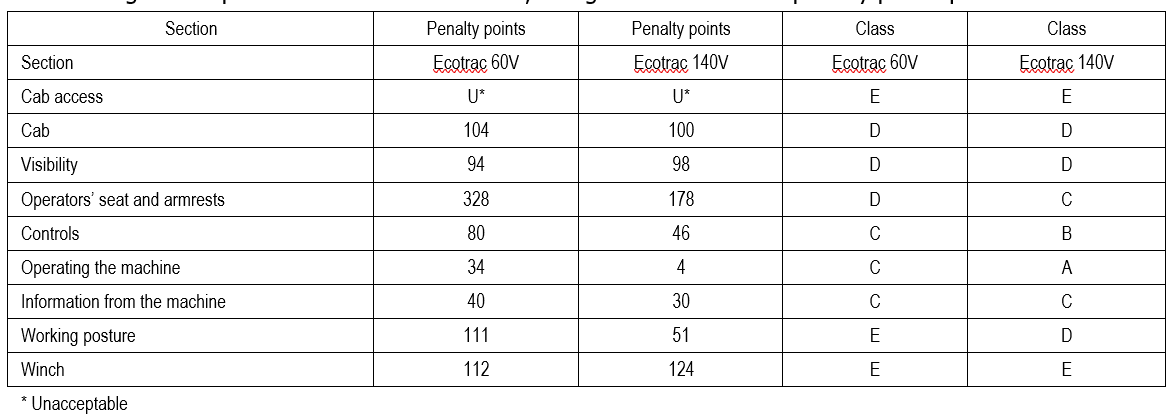
Since these two skidders are very similar in their construction and application, except for their size, they can be compared. As expected, most, if not all, of the classes are considered lower ones, with a significant share of the class E. The only higher classes (A and B) are assigned to the Controls and Operating the machine sections of 140V. Overall, 140V scored better than 60V in Seat and armrests, Controls, Operating the machine, and Working posture sections.
4.2 Overview of the Most Notable Items per Section and Suggestions for their Improvement
The cab access section is evaluated as class E on both skidders because of the items that were deemed unacceptable due to failed requirements mandated by the ISO 2867 standard. The means of access are almost vertical steps (Fig. 2), which is satisfactory but ergonomically inferior to stairs or stairways that have a smaller pitch and are thus easier to climb and descend. However, using fixed stairs and stairways is not viable when it comes to skidders since there is a great necessity for high ground clearance and a cleaner profile, which would be compromised with these structures. When observing 60V model, the item that was evaluated as unacceptable was a horizontal clearance, as presented by the G symbol in Fig. 3. This item is important for toe clearance, i.e. it is much-needed space for workers' toes when accessing the cab and maintaining a firm ground. Both skidders lack such space, except for the first rubber step on 140V model (Fig. 2).
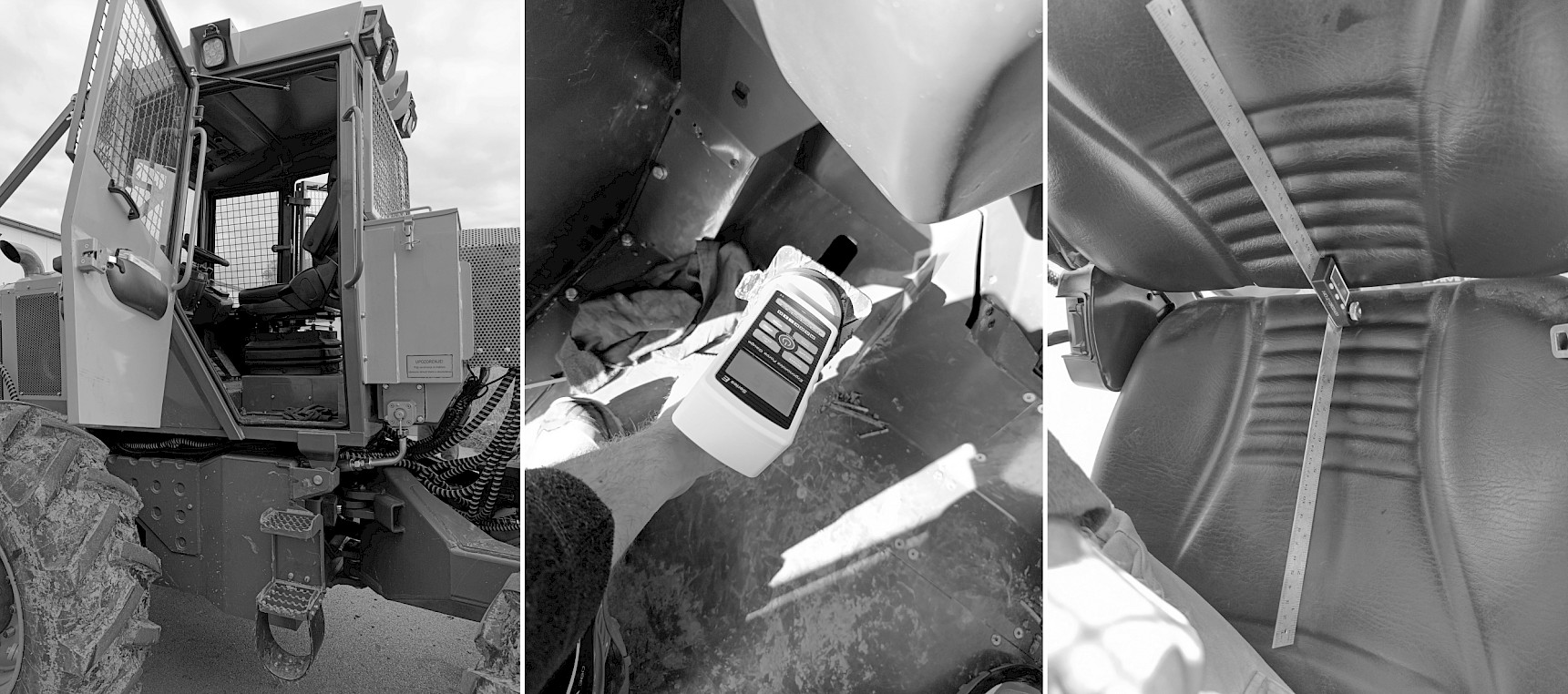
Fig. 2 Measurement procedure for the cab access (left), pedal actuating force (middle), seat features (right)
Secondly, 140V model has an additional item evaluated as unacceptable, ground to handrail distance (A symbol in Fig. 3). The measured distance is 1900 mm (Fig. 2), which is over 1600 mm, with this being mandated as a maximum value. Furthermore, the main door openings dimensions on 60V model received higher penalty points because of their limited size. As a practical suggestion, a simple retractable access system that would not impact the machines traversing abilities, nor could be damaged in a normal work routine, should be incorporated into the design of both skidders to improve mounting and alighting. Should the pitch be less than 45°, forward alighting, which encourages the worker to exit the cabin more often for a break or stretch, and also stops him from jumping, is possible. On model 140V, at least one handrail should be lowered or elongated to the proposed height. Should these propositions be adopted, the projected class for cab access would be C.
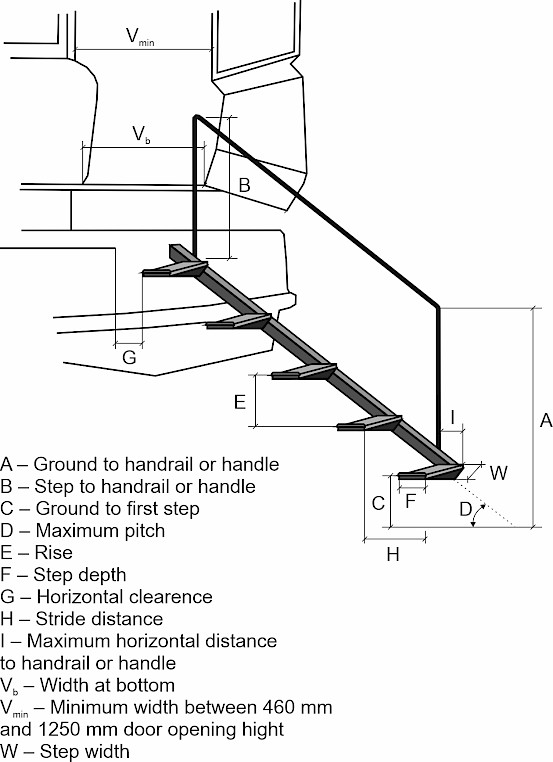
Fig. 3 Cab access (Gellerstedt 2006)
Regarding the Cab section, class D was assigned to both skidders. The most notable items that received high penalty points were headroom (A), rear panel at head height (B), and knee room (D), as presented in Fig. 4. Improving these items would require a new cab design and construction since it is a matter of providing more space inside the cabin. In doing so, the cabin must undergo a new series of tests for protective structures. The limiting factor for 60V model is the requirement of skidder width being 1.6 meters, since it is a machine designed for thinning operations. It should be noted that cab dimensions greatly influence the Visibility section.
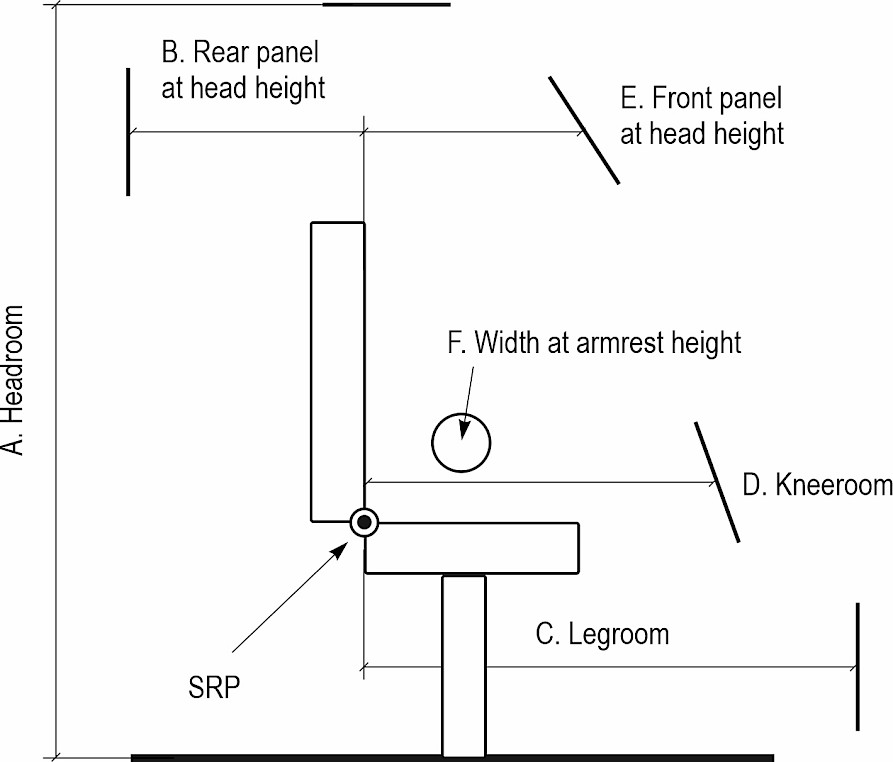
Fig. 4 Cab space (Gellerstedt 2006)
Class D was assigned to the Visibility section for both skidders, due to poor visibility in the forward driving direction, which is obstructed by a long and wide engine compartment. Furthermore, the vertical angle of view (Fig. 5) measures less than 20° on both skidders. Sun blinds are not standard equipment, resulting in more penalty points. However, with a low-profile roof line obscuring the vertical angle of view, functional sun blinds are not a viable possibility. Oliveira et al. (2020) also assessed skidder visibility as poor in the lateral plane in both shifts worked due to shocks and bumps in the machine movements, and visibility difficulty during the operation. To improve the Visibility section, a construction correction in the engine compartment and cab design is needed. This would, however, interfere with the choice of engine type and its positioning.
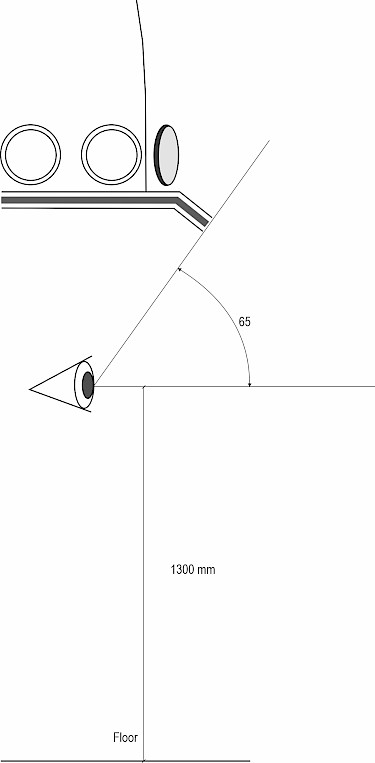
Fig. 5 Vertical angle of view (Gellerstedt 2006)
Regarding the operators’ seat, there is a general absence of adjustability and supportive features (Fig. 6) such as lumbar support, both in 60V and 140V, with the only adjustable items being legroom (l2) and height (h1) (Fig. 7) on both skidders, and backrest angle on the 140V model only. The damping system is good in both planes for the 140V model, but in the model 60V, horizontal damping is missing. Furthermore, the seat dimensions in model 60V (Fig. 7) are subpar, resulting in a higher penalty score for that skidder. There is no room for the operators’ feet under the seat in both machines, which requires redesigning the seat base.
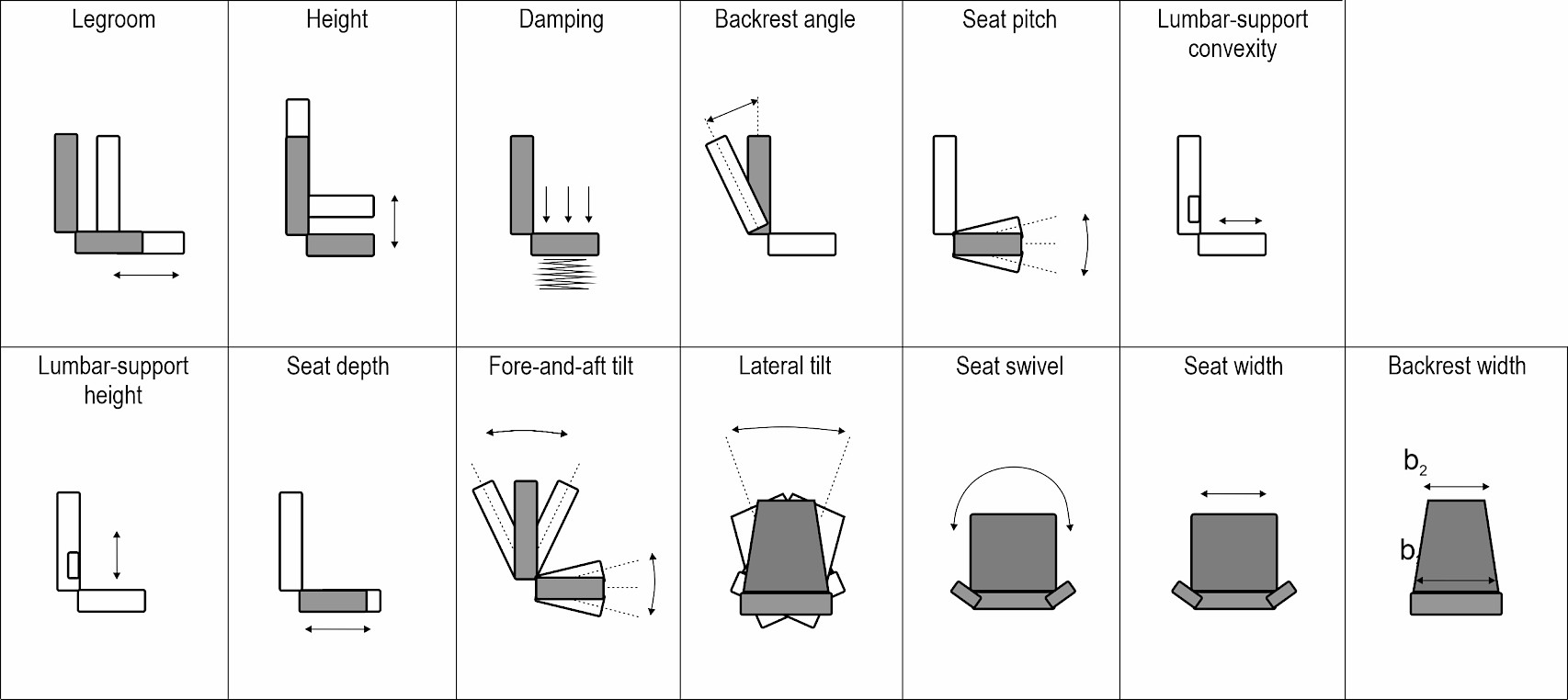
Fig. 6 Seat features (Gellerstedt 2006)
Regarding the operators’ armrests, in 140V model, there is an option for height (h3) (Fig. 7) and lengthwise pitch adjustment (Fig. 8), but no adjustment options are present in 60V. Armrest width (b5) (Fig. 7) is poor and less than 100 mm on both machines. Improving the ergonomics of this section would mean replacing the current seat with a better one that provides more supportive features and adjustability. However, finding such a seat and fitting it to the small cabin of model 60V would be a big challenge.
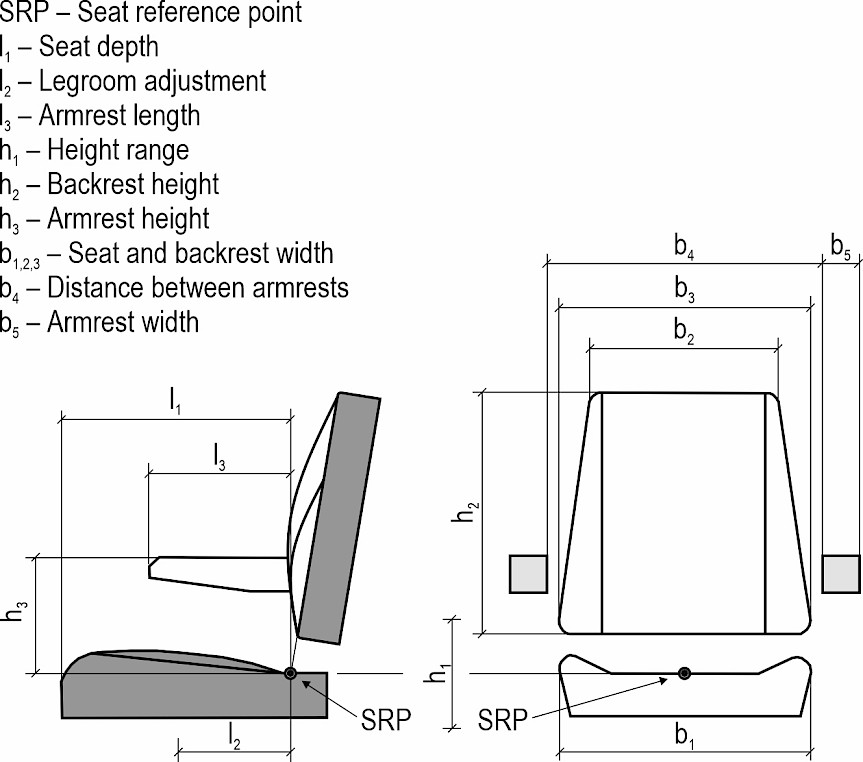
Fig. 7 Seat and armrests dimensions (Gellerstedt 2006)
The controls section received a low amount of penalty points, with 140V model scoring a high class B in this section. The possibility of accidental activation of controls when entering or leaving the cab due to the cab’s small dimensions is a major drawback for model 60V. Furthermore, on both machines, some controls like the gear lever and some finger-operated buttons require high activating forces. On 140V model, some primary controls are not in a comfort reach zone, resulting in penalty points. As a drawback on both machines, the waist-mounted instead of chest-mounted winch radio remote controller can be pointed out. Correcting these items would require mostly relocating some controls and improving their activating forces according to the Guidelines.
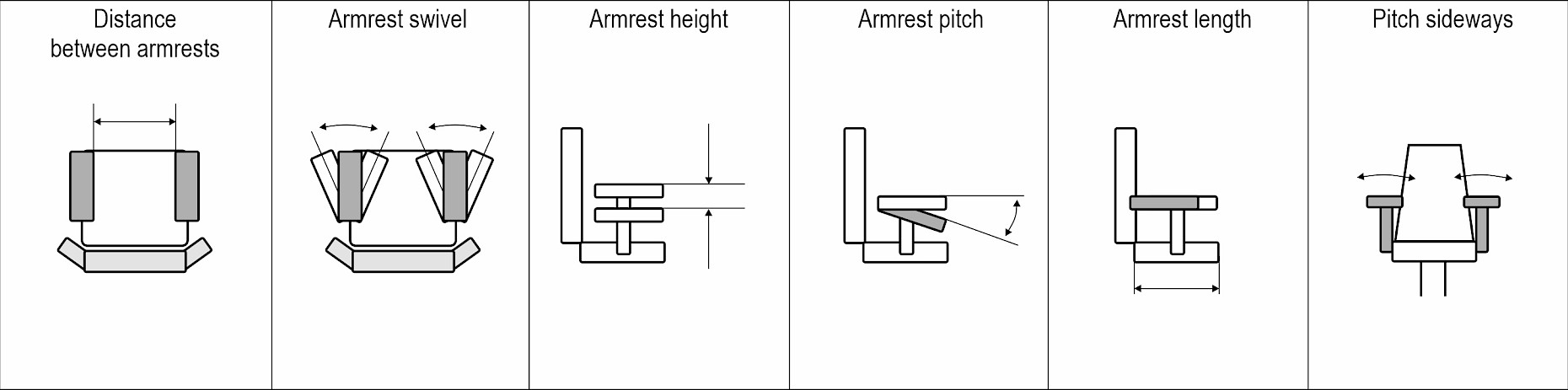
Fig. 8 Armrests features (Gellerstedt 2006)
The section related to operating the machine is rated as class C for 60V model and class A for 140V model. The difference of 30 penalty points is achieved with the function of the winch remote controller on 140V model, since the 60V model remote controller is not equipped with the winching speed regulator. Winch speed regulator on a 140V model is possible because of the hydraulically driven winch drum. Since a winch on a 60V model is PTO (mechanically) driven, a crude regulation can be achieved by changing the engine RPM, or slipping the clutch; however, it is not considered a speed regulating device. It should be noted that operations related to hydraulic booms were not assessed since the machines observed were not equipped with booms.
Both machines scored class C in the »Information from the machine« section. The main drawback is yet again related to a remote controller, namely, penalty points are assigned because there is no warning display on the remote control unit, and machines are equipped with a central acoustic alarm. This means that the operator is not well informed about the possible warnings if he is out of the machine working as a choker-setter. Upgrading this feature means installing a new alarm system together with an upgraded remote control unit.
Section »Working posture« is greatly influenced by the previously assessed sections such as »Cab«, »Visibility«, »Operators’ seat and armrests«, and »Controls«. In that light, the working posture in model 60V is evaluated as the lowest class E. The majority of the penalty points are assigned because of the lack of space for varying postures, and the absence of longitudinal and lateral leveling of the working station. The case is somewhat better in model 140V since it has more space in the cab for different working postures; however, it also lacks the leveling feature. Workstation leveling can be achieved via three principles (Fig. 9) none of which has ever been incorporated in wheeled skidder design. This feature is commonly used on tracked machines (principle 1), and harvesters and forwarders (principles 2 and 3), and it improves productivity along with MDSs risk reduction (Paakkunainen 2015). The only viable solution for adopting leveling systems on skidders is a self-leveling seat (lateral, longitudinal, or both) provided it did not interfere with the machine primary controls.
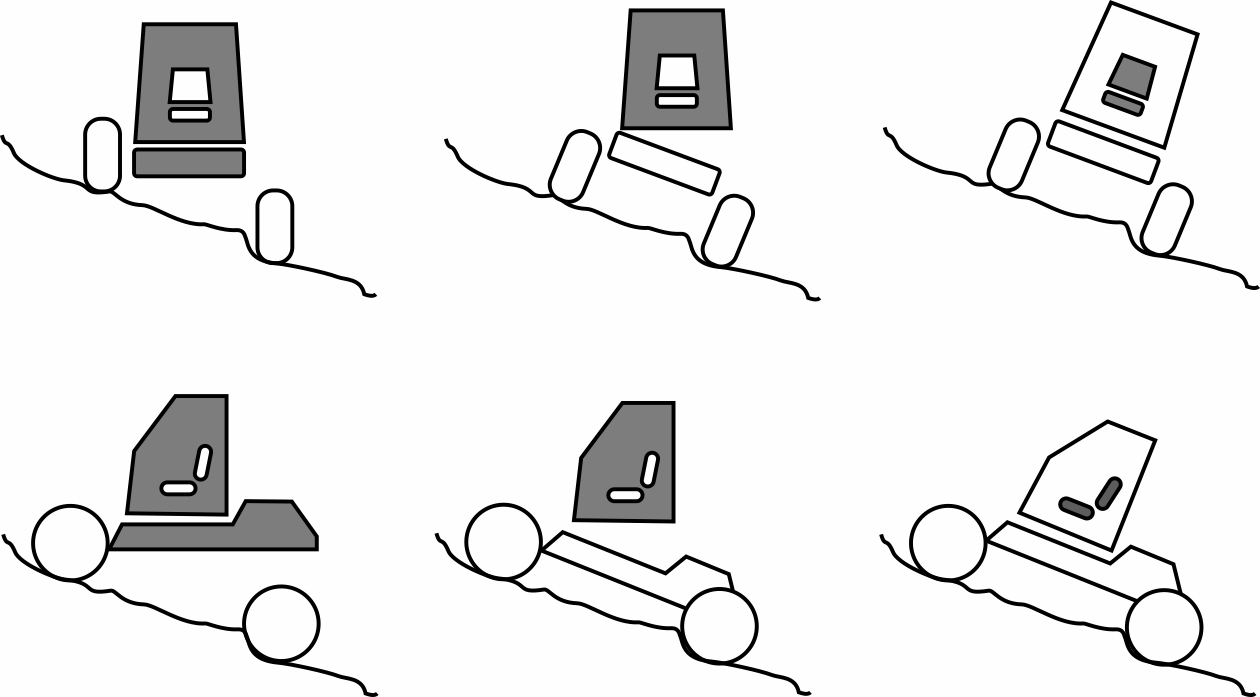
Fig 9. Leveling principles (Gellerstedt 2006); principle 1 (left), principle 2 (middle), principle 3 (right)
The lowest class E for the »Winch« section was assigned to both machines. The Guidelines propose that, for safety reasons, the machine mass in kilograms must exceed the winch pulling force (empty drum) in newtons. The logic of this assessment item is that a heavier machine is more stable when winching. This is not the case with model 140V, and with model 60V, this ratio is slightly exceeded, resulting in high penalty points in this item. It should be noted that the skidders are usually equipped with the rear hydraulic protection plate that serves as an anchor when lowered during winching operations. Furthermore, the small diameter rope that is standard-issue causes both machines to have a low rope safety factor and an increase in penalty points. The rope safety factors are, however, above the mandated 1.4. The winch on model 60V, being PTO driven, is one-directional, and the required rope uncoiling force is above 100 N. The mentioned drawbacks can be rectified by issuing a thicker steel rope and adding a hydraulic spool-out device on 60V model.
4.3 General Discussion
It is safe to assume that ergonomics is not at the top of engineers' priorities when designing a heavy, crude, and simple machine for wood skidding. Factors such as structural integrity, maneuverability, load capacity, energy efficiency, durability, environmental protection, and worker safety have primacy over ergonomics. This brings ergonomics into collision with the stated factors, and usually, the final product is a compromise with varying results. However, with technological advancements and the fact that technology and smart solutions are becoming more available and cheaper, ergonomic advancements in the design of skidders are more likely to occur as they are still an integral part of the timber harvesting industry, especially in regions where the terrain and forest conditions require their use. Skidders did not get the same attention as more productive and expensive machines such as forwarders and harvesters. Nevertheless, technological advancements such as hydrostatic transmissions, HVAC systems, and high-visibility camera systems, which were considered as an unnecessary expense in the past, are now becoming more common and can significantly improve skidder operator safety, comfort and productivity. Examples from the industry show that tweaking the machine design can have a positive influence on performance, costs, and environmental impact (Federico and Marco 2025). The specificity of the skidder is that, despite its relatively low productivity compared to other wood extraction technologies, it is a machine used in professional forestry, i.e., in long shifts and on difficult terrain. Yet its ergonomic design is frequently an afterthought, as seen in previous studies, where some of the sections not evaluated in this study were present and assessed as poor (Gerasimov and Sokolov 2009, 2014, Oliveira et al. 2020, 2021). With forestry work being categorized as »Black collar« 3D job (Dirty, Dangerous and Demanding), the reduction in the number of operating forestry workers in the near future is unavoidable. (Landekić et al. 2018). Moreover, studies confirm that the forestry workforce is becoming a scarce resource that will require systematic approach and urgent involvement of all relevant stakeholders (Šporčić et al., 2023, 2025). To combat this, improvements in the ergonomic design of skidders could contribute to making the job more attractive and retaining skilled operators. Despite its ergonomic drawbacks, the skidder will remain a highly used extraction machine in conditions where cost-effectiveness, terrain traversing abilities, and simplicity prevail.
5. Conclusions
Ergonomic profiles can be summarized as poor for model 60V and medium for model 140V, with good potential for improvement. Cab access could be drastically improved by relocating the handrail (140V model) and adopting a simple retractable access system that would not interfere with normal machine usage. Cab improvement would require a new cabin which would require renewed safety testing. This would require the manufacturer to allocate significant resources to cab design, approval and manufacturing. The visibility is greatly influenced by cab design, and additionally by the size, form and position of the engine compartment, all of which also require a new design. Fitting a more ergonomically designed seat is a simpler solution to improving the machines ergonomic profile. This can easily be outsourced to established companies in the industry and offered as an option. The 60V model requires the relocation of several controls in order to prevent their accidental activation. Upgrading the winch remote controller carrying style and incorporating an alarm system into the control would further improve the ergonomic profile. Workstation leveling can be retrofitted to existing machines by various solutions available on the market that offer lateral and/or longitudinal seat leveling. This feature can also be offered as an option. Issuing a thicker steel rope and adding a hydraulic spool-out device on model 60V would significantly improve the winch ergonomics rating. Mechanizing forestry work was mostly considered a positive step toward more ergonomically acceptable operations. However, new problems arise with every change in work equipment, and it is imperative to identify those problems early on to ensure proper and timely actions for their solution. By doing a simple ergonomic assessment, publishing, and familiarizing the ergonomics community with these problems, the possibilities for simple and effective solutions become available.
Data Availability Statement
The raw data supporting the conclusions of this article will be made available by the authors, without undue reservation.
Funding
This research was supported by the Specific Research BUT FSI-S-23-8235.
Acknowledgments
Special thanks to the company Hittner Ltd. for the provided technical support. The authors gratefully acknowledge the financial support of the Specific Research of University of Technology Brno, no. (BUT FSI-S-23-8235). The research was co-funded by the Ministry of Regional Development and European Union Funds of the Republic of Croatia as part of the project »Analysis and Improvement of Working Conditions of Forestry Machine Operators – ErgoForMeh«.
Conflict of Interest
The authors declare that the research was conducted in the absence of any commercial or financial relationships that could be construed as a potential conflict of interest.
6. References
Almeida, S.F., Abrahão, R.F., Tereso, M.J.A., 2015: Evaluation of occupational exposure to whole body vibration in forest harvesting machines. Cerne. 21(1): 1–8.
Bačić, M., Landekić, M., Pandur, Z., Šušnjar, M., Šporčić, M., Nevečerel, H., Lepoglavec, K., 2024: Forestry Ergonomics Publications in the Last Decade: A Review. Forests. 15(4): 616. https://doi.org/10.3390/f15040616
Bertone, F., Manzone, M., 2025: Effect of Excavator Design on Performances, Costs, and Environmental Impact in Harvesting Operations. Croat. J. For. Eng. 46(2): 273–287. https://doi.org/10.5552/crojfe.2025.2587
Camargo, D.A., Munis, R.A., Batistela, G.C., Simões, D., 2022: Exposure to Occupational Noise: Machine Operators of Full Tree System in Brazil. Croat. J. For. Eng. 43(2): 391–402. https://doi.org/10.5552/crojfe.2022.1437
Frumerie, G., 1999: Ergonomic guidelines for forest machines. Uppsala: SkogForsk.
Frumkin, A.A., Zinchenko, T.P., Vinokurov, L.V., 1999: Methods and means of ergonomics during design. Saint-Petersburg: Transport University.
Gellerstedt, S., 2006: European Ergonomic and Safety Guidelines for Forest Machines. Uppsala: Swedish University of Agricultural Sciences.
Gerasimov, Y., Sokolov, A., 2009: Ergonomic characterization of harvesting work in Karelia. Croat. J. For. Eng. 30(2): 159–170.
Gerasimov, Y., Sokolov, A., 2014: Ergonomic evaluation and comparison of wood harvesting systems in Northwest Russia. Appl. Ergon. 45(2): 318–338. https://doi.org/10.1016/j.apergo.2013.04.018
Landekić, M., Martinić, I., Bakarić, M., Pentek, T., Poršinsky, T., Šporčić, M., 2018: Current State and Improvement Potential of Forestry Workers Training in Croatia. Croat. J. For. Eng. 39(2): 289–298.
Lima, R.C.A., Minette, L.J., Simões, D., Rocha, Q.S., Miyajima, R.H., Fritz, G.F. Schettino, S., Soranso, D.R., Pedroso Nascimento, G.S., Leme Vieira, M.P., Said Schettini, B.L., Araújo Silva, A., 2023: Measurement Time in the Evaluation of Whole-Body Vibration: The Case of Mechanized Wood Extraction with Grapple Skidder. Forests. 14(8): 1551. https://doi.org/10.3390/f14081551
Marzano, F.L.C., Souza, A.P., Minette, L.J., 2017: Proposal for an ergonomic conformity index for evaluation of harvesters and forwarders. Rev. Árvore. 41(4): e410401. https://doi.org/10.1590/1806-90882017000400001
Oliveira, F.M., Lopes, E.d.S., Fiedler, N.C., Koehler, H.S., 2020: Indicator for Urgency Assessment in Ergonomic Intervention of Wood Harvesting Machines. Rev. Árvore. 44(1): e4428. https://doi.org/10.1590/1806-908820200000028
Oliveira, F.M., Lopes, E.d.S., Koehler, H.S., Behling, A., 2021: Application of an Integrated Ergonomic Indicator (IEI) in evaluating forest machines. Int. J. Forest Eng. 32(2): 256–265. https://doi.org/10.1080/14942119.2021.1937773
Paakkunainen, M., 2015: Ergonomics and productivity improvements through machine automation. In: Forest engineering: making a positive contribution. Abstracts and Proceedings of the 48th Symposium on Forest Mechanization, Linz, Austria, 5–8 p.
Paini, A., Lopes, E., Fiedler, N., Souza, A., Rodrigues, C., Oliveira, F., 2020: Postural Analysis and Repetitive Motions of Skidder Operators in Wood Extraction. Sci. For. 48(125): e3095. https://doi.org/ 10.18671/scifor.v48n125.12
Peskov, V.I., 2004: The basics of ergonomics and design of cars. Nizhnii Novgorod: Technical University.
Potočnik, I., Pentek, T., Poje, A., 2009: Severity Analysis of Accidents in Forest Operations. Croat. J. For. Eng. 30(2): 171–184.
Potočnik, I., Poje, A., 2017: Forestry Ergonomics and Occupational Safety in High Ranking Scientific Journals from 2005–2016. Croat. J. For. Eng. 38(2): 291–310.
Šporčić, M., Landekić, M., Šušnjar, M., Pandur, Z., Bačić, M., Mijoč, D., 2023: Deliberations of Forestry Workers on Current Challenges and Future Perspectives on Their Profession – A Case Study from Bosnia and Herzegovina. Forests. 14(4): 817. https://doi.org/10.3390/f14040817
Šporčić, M., Landekić, M., Pandur, Z., Bačić, M., Šušnjar, M., Mijoč, D., 2025: Strategic Directions for Strengthening Sustainability of Forestry Workforce. Croat. J. For. Eng. 46(1): 179–195. https://doi.org/10.5552/crojfe.2025.3010
VNIITE. 1983: Ergonomics. Principles and recommendations: Methodology guidelines. Moscow: Russian Research Institute of Technical Aesthetics.
© 2026 by the authors. Submitted for possible open access publication under the
terms and conditions of the Creative Commons Attribution (CC BY) license (http://creativecommons.org/licenses/by/4.0/).
Authors’ addresses:
Assist. prof. Marin Bačić, PhD
e-mail: mbacic1@sumfak.unizg.hr
Prof. Marijan Šušnjar, PhD
e-mail: msusnjar@sumfak.unizg.hr
Asocc. prof. Matija Landekić, PhD
e-mail: mlandekic@sumfak.unizg.hr
Prof. Mario Šporčić, PhD
e-mail: msporcic@sumfak.unizg.hr
Asocc. prof. Zdravko Pandur, PhD *
e-mail: zpandur@sumfak.unizg.hr
University of Zagreb
Faculty of Forestry and Wood Technology
Institute of Forest Engineering
Svetošimunska cesta 23
10000 Zagreb
CROATIA
Assist. prof. Václav Mergl, PhD
e-mail: vaclav.mergl1@vutbr.cz
University of Technology Brno
Faculty of Mechanichal Engineering
Institute of Automotive Engineering
Tеchnická 2
616 69, Brno
CZЕCH RЕPUBLIC
*Corresponding author
Received: January 09, 2026
Accepted: July 09, 2026
Original scientific paper