
Evaluating an Electric Battery for Energy Storage in a Parallel Hybrid Thinning Harvester
doi: Evaluating an Electric Battery for Energy Storage in a Parallel Hybrid Thinning Harvester
volume: issue, issue:
pp: 14
- Author(s):
-
- Procházka Petr
- Mergl Václav
- Pazdera Ivo
- Pandur Zdravko
- Article category:
- Original scientific paper
- Keywords:
- charging characteristics, internal combustion engine speed, energy, comparison, evaluation, mechanized ctl (cut-to-length) technology
Abstract
HTML
This research assesses the feasibility of employing an electric battery as an energy storage medium in the parallel hybrid powertrain of a thinning harvester, proposing it as a more economical substitute for traditional supercapacitors. An AH6 thinning harvester incorporating a battery-hybrid system was observed during felling tasks across three combustion engine speeds: 1700 rpm, 1800 rpm, and 1900 rpm. These three modes were selected in an effort to get as close as possible to the optimal RPM of 1500. Battery energy accumulation rose by 0.06 kWh at both 1700 rpm and 1800 rpm; in contrast, it declined by 0.002 kWh at 1900 rpm. Multi-criteria evaluation of felling regimes substantiated the electric battery viability as an energy storage option for thinning harvesters. Peak efficacy emerged at reduced engine speeds, coinciding with the maximum torque output of the combustion engine. These outcomes bear substantial relevance for curbing emissions and operational expenses in thinning forestry practices.
Evaluating an Electric Battery for Energy Storage in a Parallel Hybrid Thinning Harvester
Petr Procházka, Václav Mergl, Ivo Pazdera, Zdravko Pandur
https://doi.org/10.5552/crojfe.2027.4820
Abstract
This research assesses the feasibility of employing an electric battery as an energy storage medium in the parallel hybrid powertrain of a thinning harvester, proposing it as a more economical substitute for traditional supercapacitors. An AH6 thinning harvester incorporating a battery-hybrid system was observed during felling tasks across three combustion engine speeds: 1700 rpm, 1800 rpm, and 1900 rpm. These three modes were selected in an effort to get as close as possible to the optimal RPM of 1500. Battery energy accumulation rose by 0.06 kWh at both 1700 rpm and 1800 rpm; in contrast, it declined by 0.002 kWh at 1900 rpm. Multi-criteria evaluation of felling regimes substantiated the electric battery viability as an energy storage option for thinning harvesters. Peak efficacy emerged at reduced engine speeds, coinciding with the maximum torque output of the combustion engine. These outcomes bear substantial relevance for curbing emissions and operational expenses in thinning forestry practices.
Keywords: charging characteristics, internal combustion engine speed, energy, comparison, evaluation, mechanized ctl (cut-to-length) technology
1. Introduction
Air pollution constitutes a major threat to human health, implicated in the pathogenesis of conditions such as stroke, asthma, and lower respiratory tract infections (Boogaard et al. 2019, European Environment Agency 2025). Human-induced activities, particularly road transportation and off-road mobile machinery employed in construction and agriculture, constitute the principal sources of pollutant emissions (Fu et al. 2012, Cui et al. 2017, Guo et al. 2020, Manisalidis et al. 2020). In the forestry sector, a substantial body of research has examined emissions arising from the extensively utilized mechanized cut-to-length (CTL) technology (Karjalainen and Asikainen 1996, Berg and Karjalainen 2003, Berg and Lindholm 2005, Klvač and Skoupý 2009, Engel et al. 2012, Lijewski et al. 2013, Wiśniewski and Kistowski 2020). In certain countries, cut-to-length technology comprises 95–98% of all logging operations, owing to its superior productivity and economic efficiency (Lundbäck et al. 2021). Lijewski et al. (2017) reported average emissions from harvesters of 23.31 g NOx, 2.11 g CO, 2.12 g PM, and 0.23 g HC per 1 m³ of harvested wood, whereas forwarders emitted 15.22 g NOx, 3.38 g CO, 1.02 g PM, and 0.29 g HC per 1 m³ of harvested wood. The imperative to further curtail these emissions is underscored by objectives such as the European Union's target of a 40% reduction by 2030, buttressed by the »Green Deal« initiative (Estevez et al. 2024, European Commission 2025). Beyond conventional exhaust filters and alternative fuels, hybridizing machine powertrain systems presents another promising avenue for emission reduction. In addition to traditional exhaust filters and alternative fuels (Khan et al. 2015, Hurtová et al. 2019, Fabiś and Flekiewicz 2021, Rayapureddy et al. 2022), the hybridization of machine powertrain systems offers a promising strategy for mitigating emissions.
Efforts to mitigate emissions have spurred the development of hybrid powertrains for cut-to-length technology machines, with multiple prototypes currently under development. A notable example is the electro-hybrid forwarder F14 by Elforest Technologies AB. This design employs a continuously operating internal combustion engine exclusively for electricity generation, which is stored in a battery to power electric motors in the wheels and other components (Stoddart 2010). Ponsse Plc EV1 forwarder powertrain concept adopts a comparable strategy; however, its internal combustion engine engages only when battery capacity drops below 40% and disengages upon reaching 80% (Einola and Kivi 2024). Thus, the internal combustion engine operates for approximately 50% of the total operating time (Haugh 2022).
Similarly, an electro-hybrid powertrain was implemented in the commercially available AGA LV HP semi-trailer manufactured by Agama a.s. This system incorporates batteries and electric motors in its auxiliary powertrain, allowing energy recovery during downhill driving for later use to boost the entire set traction (Procházka et al. 2017). Furthermore, the first zero-emission CTL machine concept is available - the 560C from Malwa Forest AB, which is a small dual machine. It replaces the combustion engine with two batteries that power two electric motors: one for the harvester head and crane, and the other for the traction device (Jonsson 2025). The batteries are split into two modular packages of two different sizes (Engström 2025). Among electric hybrids, Logest Oy commercially available hybrid harvester utilizes Danfoss A/S Editron unit (Pandur et al. 2021). This system employs an electric motor and supercapacitor, coupled to the combustion engine power take-off shaft, to assist the engine during high-load conditions (Johnsen 2026a). A similar system, known as Elturbo (Electric turbo), has also been tested on Ponsse Plc Ergo harvester (Johnsen 2026b).
Hybridization efforts in mechanized CTL technology machines for main felling predominantly feature batteries as energy storage devices for forwarders and forwarding trailers (Stoddart 2010, Procházka et al. 2017, Einola and Kivi 2024), while supercapacitors are typically employed in harvesters (Pandur et al. 2021, Johnsen 2026). The choice of energy storage devices is governed by the machine power profile characteristics. Forwarders encounter peak loads during crane operations, which represent a sustained and consistent power demand (Einola and Kivi 2024). In contrast, the combustion engine of a harvester attains peak loads chiefly during the initial activation of the harvester head (Hohenlohe 2011).
Supercapacitors store electrical energy electrostatically between two electrodes separated by an electrically non-conductive medium (Hadjipaschalis et al. 2009, Iqbal and Aziz 2022). By contrast, electric batteries accumulate energy chemically via electrochemical reactions. (Lemian and Bode 2022). These differing storage mechanisms result in supercapacitors achieving superior charge and discharge rates relative to batteries (Raza 2018). Supercapacitors additionally exhibit superior power density, extended lifespan, and higher discharge currents at equivalent voltages (Patel and Desai 2012). However, they undergo a steeper voltage decline during discharge compared to batteries (Sani et al. 2018). Therefore, supercapacitors are extensively utilized in hybrid machinery that demands high peak power outputs from the combustion engine (Lemian and Bode 2022). Nevertheless, the substantially higher acquisition cost of supercapacitors relative to electric batteries constitutes a persistent limitation (Wieczorek et al. 2019).
Contemporary forestry practices prioritize both emission mitigation and cost optimization. Expenses incurred in mechanized cut-to-length harvesting can constitute up to 82% of overall operational costs (Klvač et al. 2003). In principal felling operations, the average combined fuel consumption of harvesters and forwarders amounts to 0.86 l/m³, whereas it escalates to 1.43 l/m³ in thinning operations (Kärhä et al. 2024). Certain studies indicate fuel consumption as low as 1.4 l/m³ during principal felling operations and as high as 2.2 l/m³ for thinning operations (Kärhä et al. 2023). Thinning operations are intrinsically more costly than principal felling operations owing to the high density of small-volume trunks possessing lower commercial value (Sun et al. 2018).
Hybrid powertrain configurations present a viable strategy for curtailing costs in thinning operations, particularly for small-scale harvesters, by potentially reducing fuel consumption by 10–50% (Eniola 2013, Lajunen et al. 2016). Nevertheless, electrically hybridized harvesters currently under development and commercially available predominantly employ costly supercapacitors. Employing a more affordable electrical energy storage, such as a battery, could significantly lower the machine purchase price, a critical factor for thinning operations. This research, therefore, aims to determine the suitability of an electric battery as an energy storage device for a hybrid powertrain system in a thinning harvester.
2. Materials and Methods
2.1 Machine and Hybrid System
A novel prototype of the AH6 hybrid harvester from Agama a.s. (Fig. 1) was monitored for this research. This structurally innovative thinning harvester has a total weight of 7640 kg, including fluids and the harvester head. Its dimensions are 2.10 m in width, 5.05 m in length (excluding the hydraulic crane), and 3.55 m in height. The track width is 2.05 m, and the wheelbase measures 3.10 m. It is a small, wheeled harvester featuring a rigid frame and fixed axles, equipped with four wheels (500x45 22.5 tires). Steering is achieved by articulating both front and rear axles. The machine also supports »crab steering«, where all wheels turn in the same direction, or steering solely with the front axle. Power transmission is fully hydrostatic. Chassis leveling is facilitated by the fixed axles, with each axle leveling independently controlled by two double-acting linear hydraulic motors.
The harvester features a parallel hydraulic crane without a telescopic boom, mounted on a single swivel bearing with the cabin, located in front of it. This swivel bearing allows for a rotation of ±105° with a torque of 19.4 kNm (19,400 Nm). The hydraulic crane has a reach of 7 m from its swivel bearing axis and a lifting torque of 58 kNm (58,000 Nm). The machine is equipped with a Nisula Forest Oy 325H harvester head, which has a cutting width of 340 mm and weighs 285 kg. It features a cylindrical feeding device with three all-metal spiked rollers. Delimbing is performed by four conventional knives (three movable, one fixed).
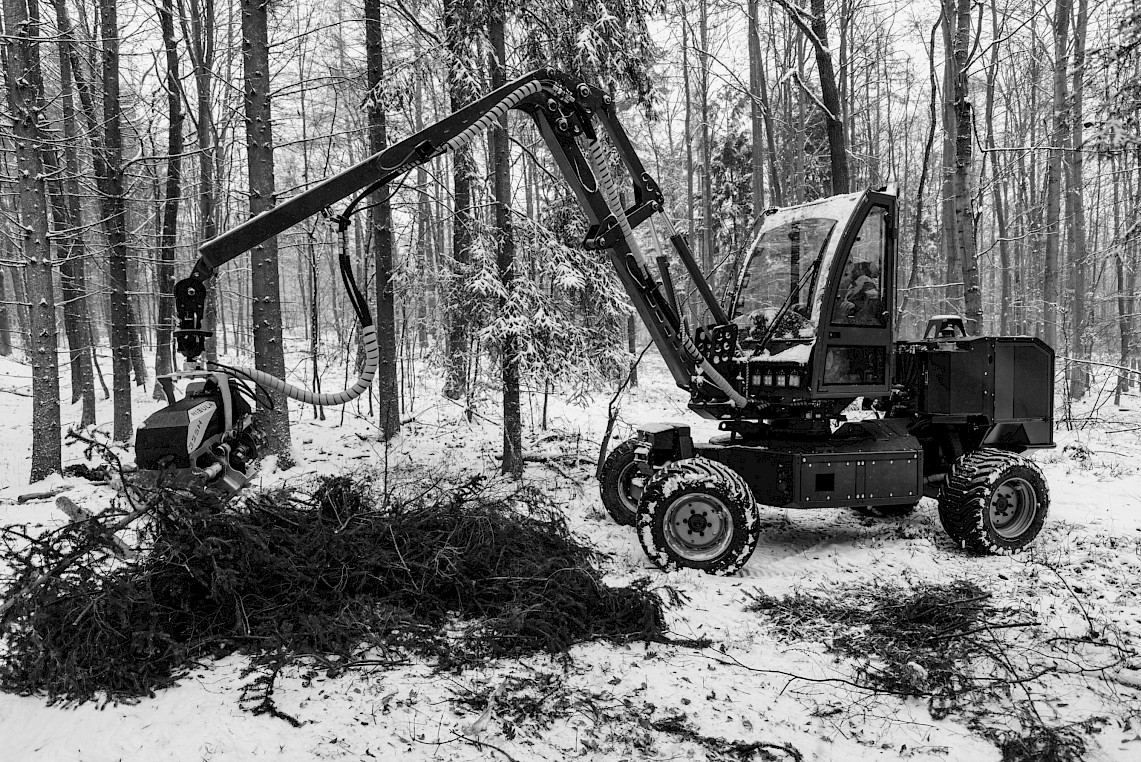
Fig. 1 Hybrid thinning harvester AH6 to Agama a.s.
The AH6 harvester is powered by a four-cylinder Kohler KDI2504TCRE5 diesel engine with a 2.5 l displacement, producing 55,400 W at 2600 RPM. To increase the overall powertrain power, a parallel electro-hybrid system has been integrated. This hybrid system includes a three-phase synchronous electric motor with permanent magnets, connected to a lead-acid battery pack configured as 6S1P, providing a nominal voltage of 72 V and a capacity of 92 Ah. Battery pack consists of SBS C11 cells. Weight of one cell is 28 kg, which means that energy to weight ratio is 3.3 Ah/kg and 8.5 Ah/l. Short circuit current is 2.3 kA. Max usable curent during discharging is 357 A for 5 min. Battery temperature of each cell was measured to reduce battery power to keap battery temperature in allowed range. During the tests, and considering the power profiles, the only requirement we encountered was the need to preheat the battery at low temperatures. This was achieved by loading the inverter with a limited current.
Regarding the long-term lifetime under repeated power peaks, the selected PowerSafe SBS EON C11 cells are specifically designed to withstand both continuous cycling and high-current peak loads.Unlike conventional lead-acid batteries, this series utilizes TPPL (Thin Plate Pure Lead) technology. The use of high-purity lead grids significantly reduces internal resistance and limits grid corrosion, which are the primary drivers of battery degradation during rapid cyclic loading. According to the manufacturer’s specifications, the EON technology allows the battery to deliver high discharge currents (up to 357 A for 5 minutes, which is far from expected) repeatedly while maintaining high cyclic performance. Furthermore, long-term degradation is actively mitigated by the battery management system, which monitors and strictly limits the depth of discharge (DoD) to prevent under-voltage states that would otherwise accelerate aging.To verify these characteristics under realistic operating conditions, experimental tests were conducted inside a climatic chamber. The results confirmed that by preheating the battery during low-temperature operations, the internal resistance is kept low and the chemical efficiency is optimized. This preheating strategy significantly mitigates thermal stress and grid degradation, thereby substantially increasing the overall cycle life of the battery pack.
From an economic perspective, selecting a lead-acid battery with TPPL technology represents an optimal trade-off between initial capital expenditure and performance. Although the alternative deployment of supercapacitors would offer the advantage of exceptional cycle life under peak power loads, their low energy density and high cost per unit of energy would increase the initial capital expenditure by an estimated ca hundreds of percent. Furthermore, by implementing the preheating strategy and strictly managing the depth of discharge (DoD), the operational lifespan of the selected battery pack is maximized. This minimizes the frequency of battery replacements and keeps operating expenses low. A highly important aspect that further improves the overall economic evaluation is the high durability of this technology and its minimal maintenance requirements from the operators, which eliminates ongoing service costs. Consequently, the overall return on investment (ROI) is significantly shorter compared to solutions utilizing supercapacitors or expensive lithium-based technologies, confirming the high cost-effectiveness of the proposed system.
The hybrid system is connected to a drive transmission, which is also connected to both the pumps and the combustion engine.
The hybrid system function is as follows: when the combustion engine load is below 30%, the system operates in generator mode, generating and storing electrical energy in the battery. In contrast, when the load on the combustion engine exceeds 30%, the system disengages; it subsequently re-engages in engine-assist mode upon the load surpassing 70%, providing proportional support to alleviate the engine burden.
The hybrid system integrated into the harvester is engineered to furnish a continuous power output of 20 kW, augmented by a short-term peak capacity of 30 kW from the electric motor. The complete powertrain is projected to yield a sustained power of 75 kW and a maximum peak power of 85 kW.
2.2 Hybrid System Measurement
To attain the research objective, confirmation of the hybrid auxiliary system capacity to augment the combustion engine power output was required, thereby permitting engine downsizing. For this purpose, basic electrical measurements were performed during the harvester test operation, as schematically shown in Fig. 2. Both battery voltage and the current drawn from or supplied to the battery were measured. These data allowed for the evaluation of the auxiliary power provided by the electric powertrain and an assessment of the feasibility of recharging the battery when this auxiliary power was not required.
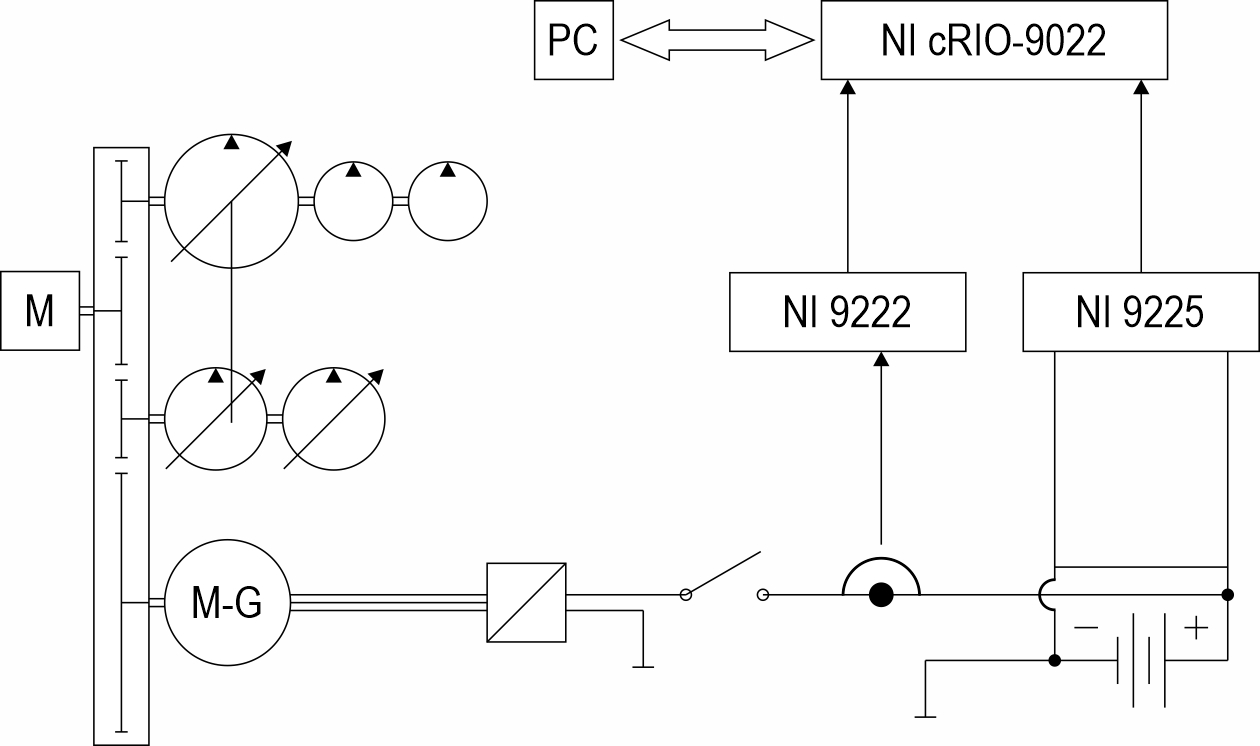
Fig. 2 Location of the measuring device in a hybrid system
The electric voltage was measured using a NI-9222 measurement card (±300 V, 50 kS/s/ch, 24-Bit), while electric current (or the output voltage from the current probe) was measured with another NI-9225 measurement card (±10 V, 500 kS/s/ch, 16-Bit). The used current probe Fluke i1010, with capability to measure DC current up to 600 A with sufficient sampling frequency 10 kHz. Both cards were housed in a cRIO-9022 controller chassis (533 MHz CPU, 256 MB DRAM, 2 GB Storage CompactRIO Controller), which managed the actual measurement and data storage in its internal memory. All specified devices were manufactured by National Instruments.
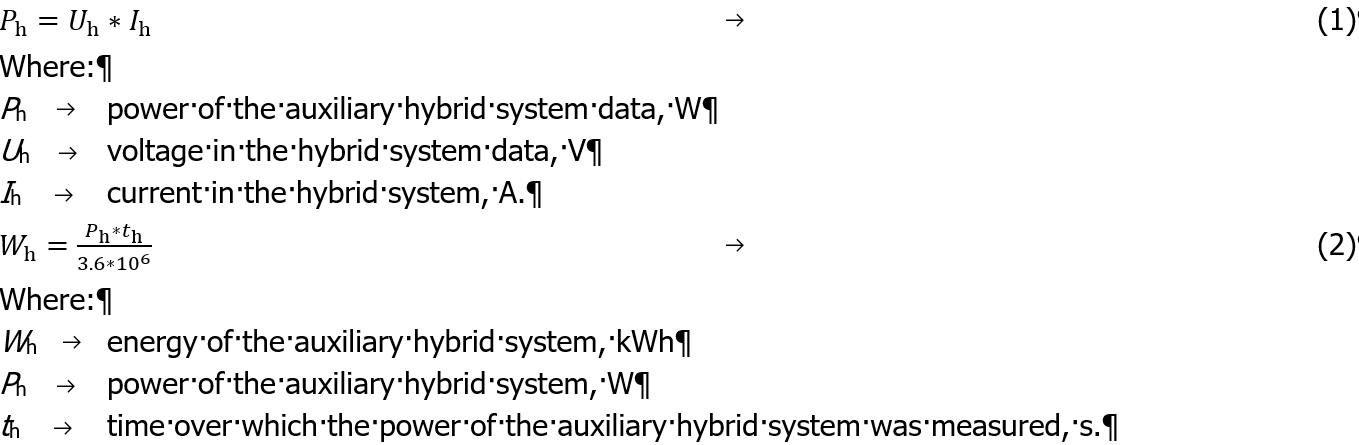
A program compiled in the LabVIEW environment was run on the cRIO-9022 controller (Fig. 2), acquiring one voltage and current values. The sampling period in cRIO-9022 was set to 10 kHz which is maximum measuring frequency of used current probe. The data were filtered to remove noise caused mainly by PWM modulation of the power inverter with PWM frequency of 20 kHz. The filter passband is set to 2 kHz so that it does not affect the dynamics of the measured current and voltage. The filtered data were read every 30 millisecond and subsequently stored in the internal memory as a text file. Upon completion of the harvester test operation, the stored data were downloaded to a personal computer for processing. Data processing was performed using MATLAB software from The MathWorks Inc., involving the direct calculation of power for individual testing phases from the loaded voltage and current values. Formulas 1 and 2 were used for these calculations.
Before starting the measurements, the harvester was operated in its standard mode for seven days. However, the harvester had been in use for more than 6 months. Data collection was subsequently conducted at three distinct combustion engine speeds in harvesting: 1700 rpm, 1800 rpm, and 1900 rpm. These speed settings were designed to validate the battery performance within the hybrid system and to determine the optimal operating speed for a battery-equipped hybrid harvester. Measurements were performed during routine machine operations, including tree searching, processing, and repositioning. For each speed configuration, ten Scots pine (Pinus sylvestris L.) trees of comparable trunk volume were processed. Additionally, the off-road transit to the worksite was recorded at a combustion engine speed of 1700 rpm.
The research site was located on a 0.61 ha stand of land classified as terrain type 21 and group U. It is therefore a moderate slope with a gradient of 11 to 20%, where a standard all-purpose wheeled tractor can be used. In terms of tree species composition, the stand consisted almost exclusively of Scots pine, but scattered occurrences of European hornbeam (Carpinus betulus L.), sessile oak (Quercus petraea L.), small-leaved lime (Tilia cordata Mill.), and European beech (Fagus sylvatica L.) were present. However, only pine trees were processed during the measurement. The pines reached a height of 10 m, and the volume of the middle trunk was 0.095 m³ according to the head software. The measurement took place in calm conditions with no precipitation, and the outdoor temperature was 14 °C.
3. Results
Fig. 3 shows the operation of the electro-hybrid parallel powertrain system at an internal combustion engine speed of 1700 rpm during forest harvesting. Negative instantaneous power values, resulting from the measuring unit connection, indicate the generator mode of the electric powertrain, signifying battery charging. In contrast, positive power values represent the motor mode, in which the battery delivers energy to the hybrid system. This interpretation applies to all other values across the measurement cycles. The hybrid harvester operated for a total of 14 minutes at 1700 rpm. During this cycle, the battery charged for 9 minutes and discharged for 4 minutes and 47.4 seconds. An average charging power of –256 W (bold black curve in Fig. 3) was recorded for this work cycle. From these data, a net energy increase of only 60 Wh in the battery was observed, confirming successful battery recharging despite this small gain. The dashed curve in Fig. 3 displays an average load value of 2780 W for the selected electric motor (consistent across other figures), which remained safely below its nominal value (approximately 13,000 W at a battery voltage of 75 V) for which the electric motor is designed for continuous load.
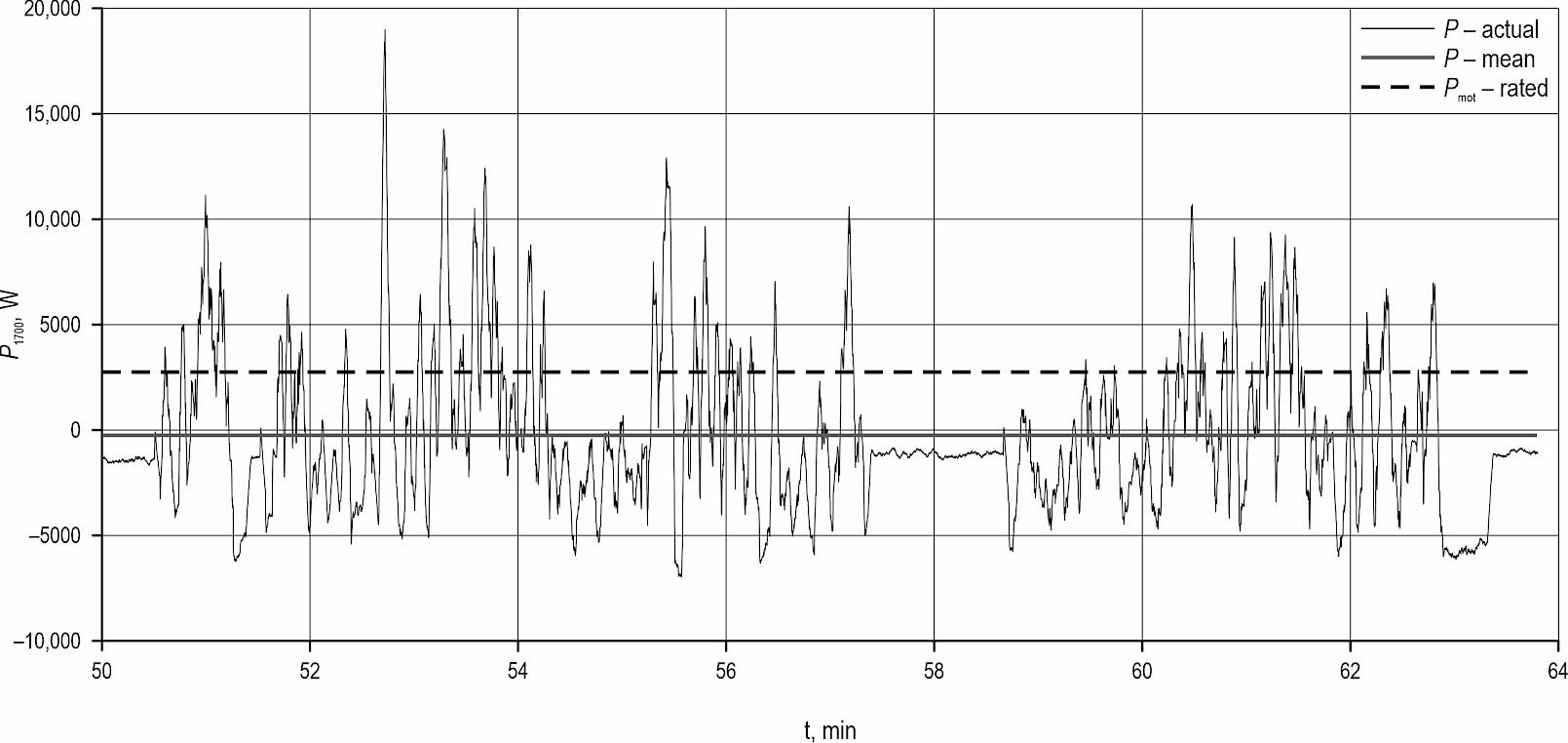
Fig. 3 Charging and discharging the hybrid system at 1700 rpm
At a combustion engine speed of 1700 rpm, an average power of 1522 W was recorded, with 350 Wh stored in the battery. Conversely, an average of 290 Wh was drawn from the battery at an average power of 1266 W (Fig. 3). The standard deviation of power was 3635 W. Fig. 4 illustrates a one-minute segment of the hybrid powertrain system standard operation during felling at 1700 rpm. This clearly shows the ability of the auxiliary system to cover instantaneous power peaks that the combustion engine could not react to in time. Each power peak covered by the system lasted approximately 6 seconds. Notably, during this one-minute operational period at this combustion engine speed, the auxiliary hybrid system was in engine mode for only very brief intervals.
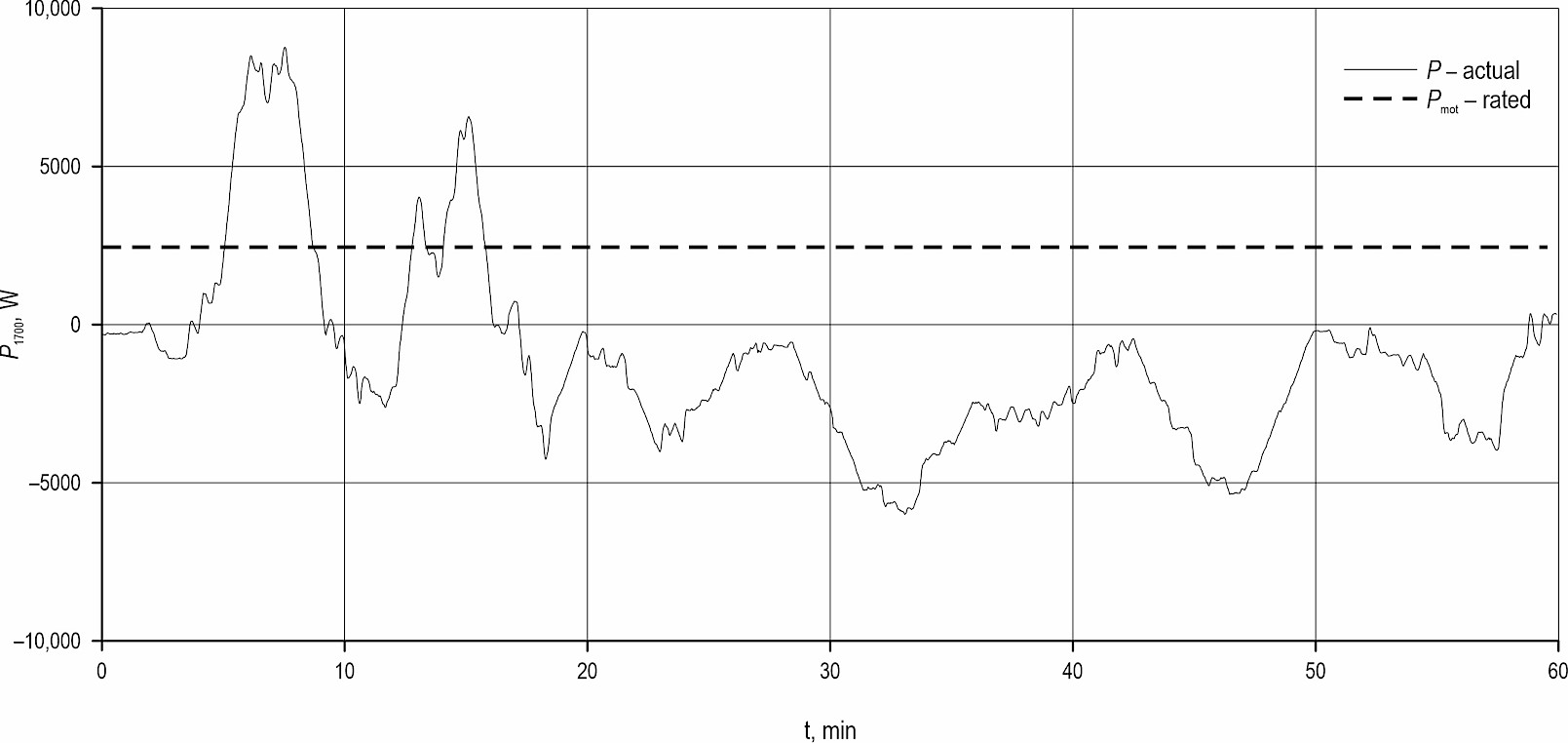
Fig. 4 Detailed view of a one-minute measurement section at 1700 rpm
The next working cycle, measured at 1800 rpm of the combustion engine (Fig. 5), lasted 13 minutes. During this cycle, the battery charged for 7 minutes and 5.4 seconds and discharged for 5 minutes and 17.4 seconds. An average power of –280 W was recorded, indicating 24 W more charging power than in the previous mode. The battery received 0.06 kWh of energy over the entire cycle. While 0.27 kWh was consumed from the battery at an average power of 1230 W, 0.33 kWh was supplied to it at an average power of 1512 W.
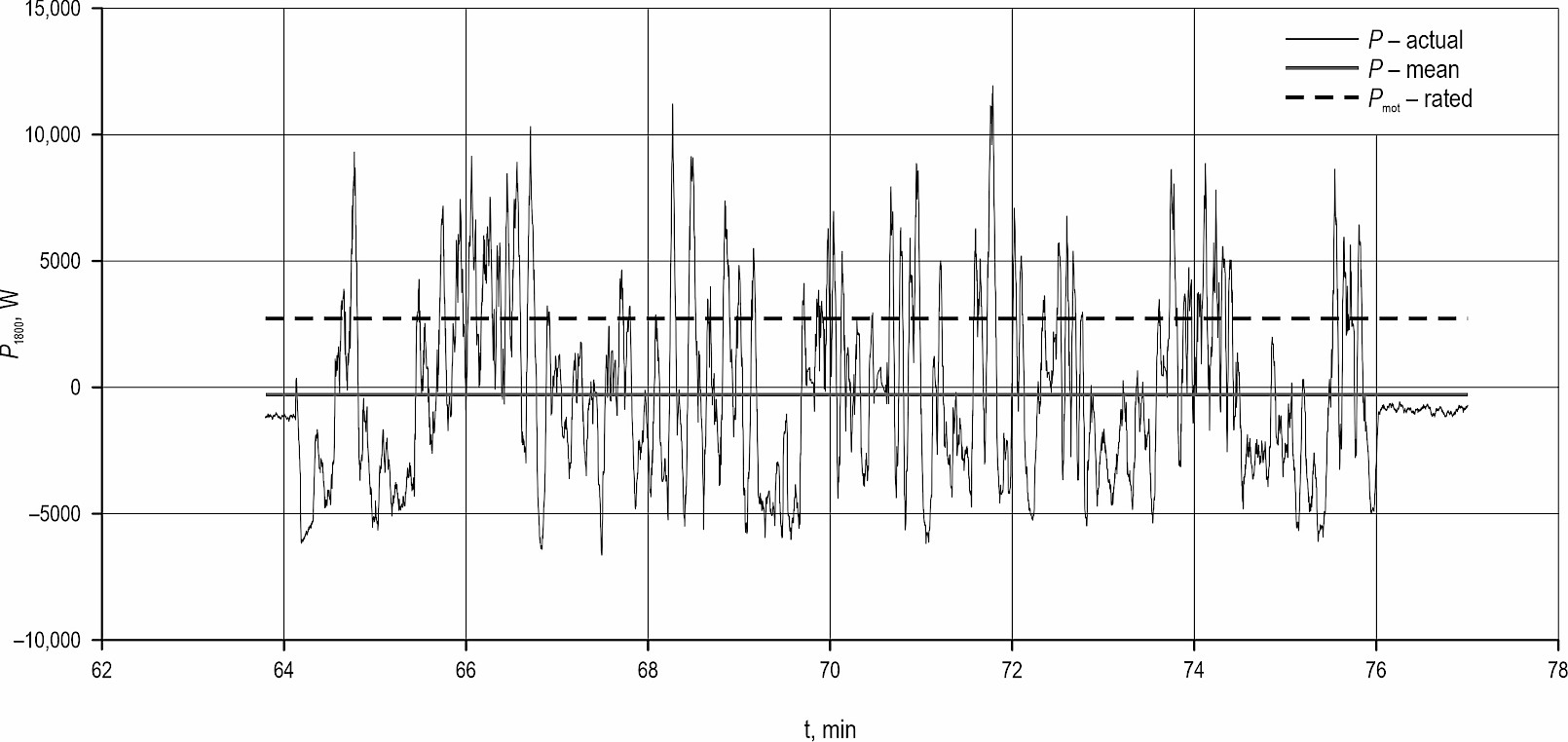
Fig. 5 Charging and discharging the hybrid system at 1800 rpm
When analyzing the one-minute felling section at 1800 rpm (Fig. 5), compared to the previous engine speed, a greater concentration of power peaks was observed. The auxiliary hybrid system had to cover these peaks due to the reduced torque of the combustion engine at higher RPM. The standard deviation of power was 3370 W. Fig. 6 clearly illustrates an increase in sections where the hybrid system assisted the conventional powertrain at the expense of its own charging. These power peaks ranged from 1.8 to 4.2 seconds and occurred with higher frequency.
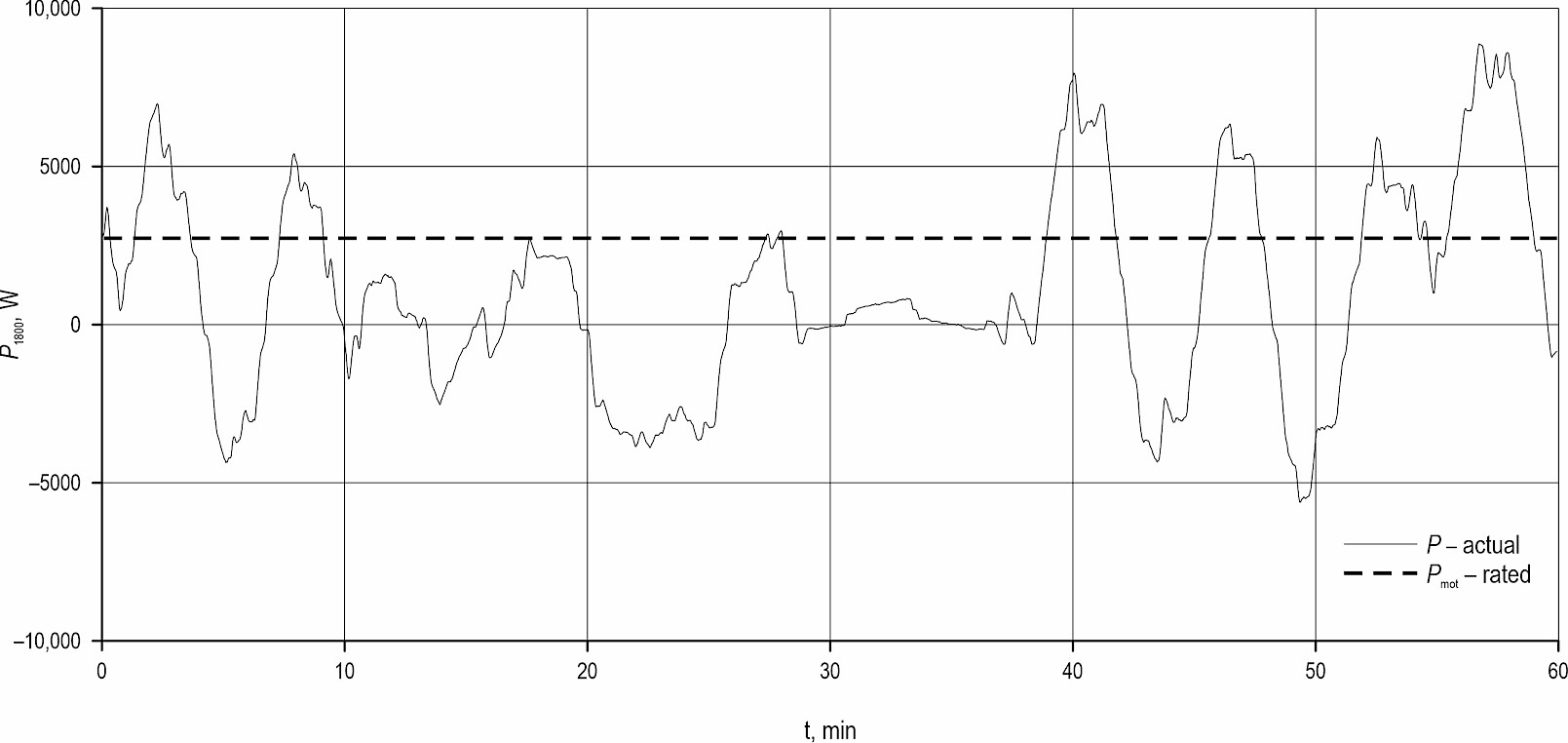
Fig. 6 Distribution of Carbon Stock Change Index (CSCI) values by protection status under different alternative forest management systems in case of sessile oak forests
The hybrid system was also measured during felling with the combustion engine at 1900 rpm (Fig. 7). In this 19-minute work cycle, the average power was calculated to be 5 W. This indicates that the auxiliary powertrain system supplied slightly more power to the main system than to the battery. This represents a difference of up to 285 W compared to previous work cycles at different engine speeds. During this cycle, the battery recharged for 11 minutes and 46.2 seconds and discharged for 7 minutes and 13.8 seconds. A net energy loss of 2 Wh was observed from the battery. Specifically, 380 Wh was consumed from the battery at an average power of 1208 W, while an equal amount of energy (380 Wh) was supplied to the battery at an average power of 1203 W. The standard deviation of power was 3370 W.
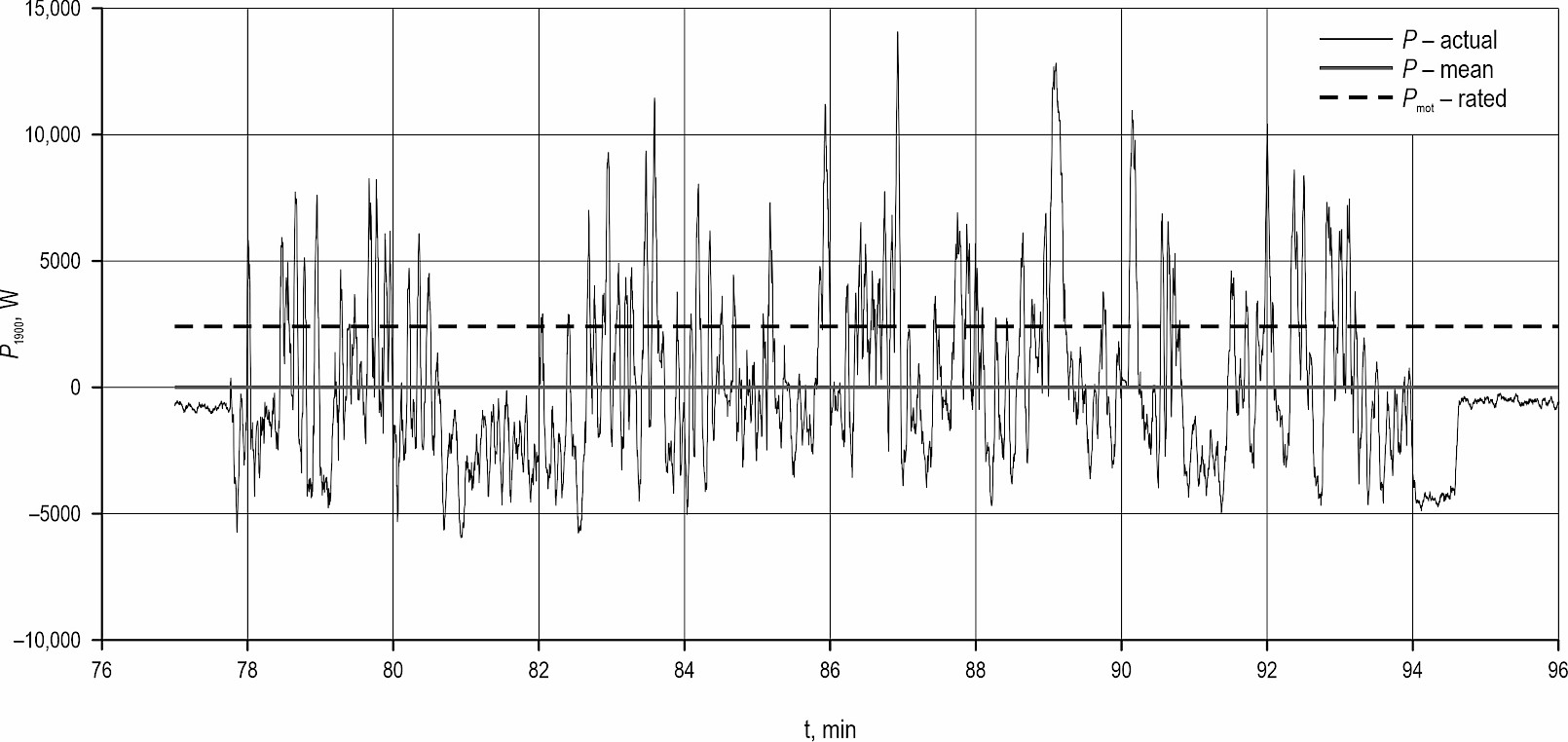
Fig. 7 Charging and discharging the hybrid system at 1900 rpm
Fig. 8, representing a 1-minute segment at 1900 rpm, shows a significant reduction in the concentration of power peaks in engine mode compared to other work cycles. There was also a noticeable decrease in maximum peak sizes, although their duration was longer. Specifically, the hybrid system engaged engine mode in segments lasting from 4.8 s to 10.8 s. The frequency of these peaks was lower than observed at 1800 rpm.
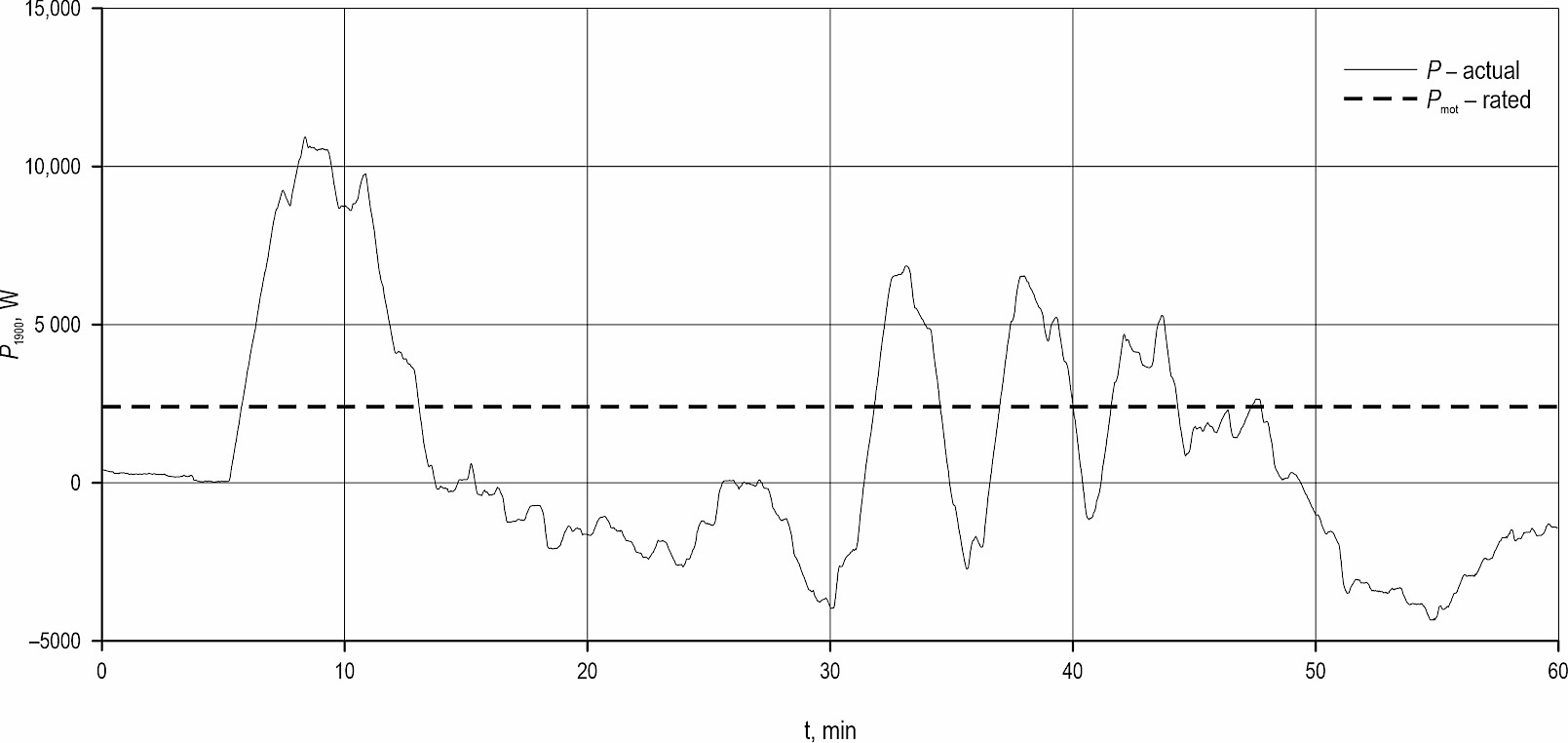
Fig. 8 Detailed view of a one-minute measurement section at 1900 rpm
Finally, the hybrid powertrain system was measured during off-road travel to the felling site (Fig. 9), with data collected only at 1700 rpm. The average power during this 5-minute cycle was 1593 W. Only 132 Wh was drawn from the battery during the entire 5 min. drive, indicating near-continuous recharging. Specifically, an average power consumption of 258 W accounted for 20 Wh, while 154 Wh of energy was gained from a power supply of 1852 W. During this off-road operation, the battery recharged for 4 minutes and 21 seconds and discharged for only 39 seconds. The hybrid system covered power peaks ranging from 1.8 to 18 seconds. The standard deviation of power was 2052 W.
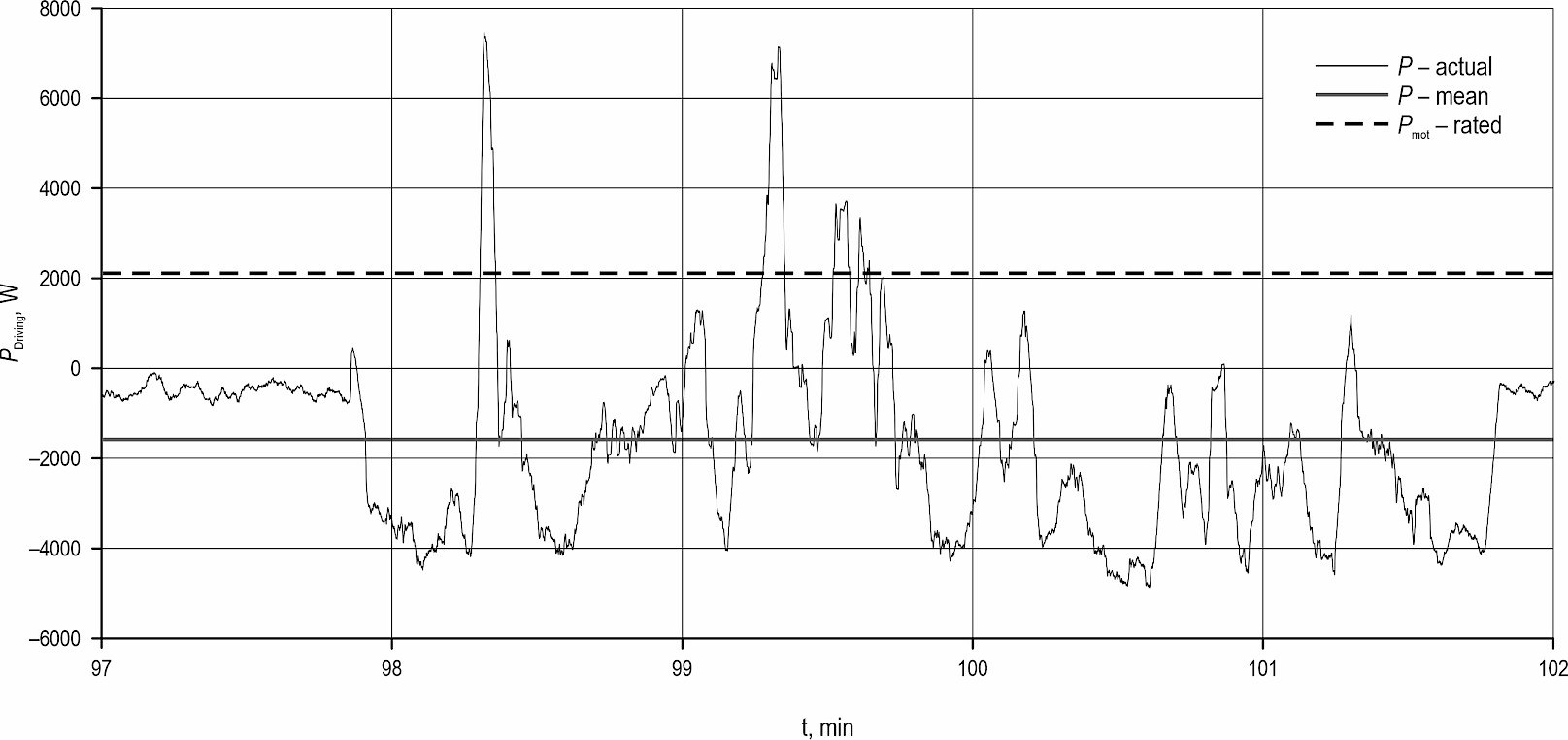
Fig. 9 Charging and discharging the hybrid system when driving off-road at 1700 rpm
To determine the optimal speed setting for the electro-hybrid parallel harvester system, a multi-criteria analysis was performed. The first criterion considered was the average power value over the entire measurement cycle. A higher positive value was deemed superior, as it indicates greater energy supplied to the hybrid system for recharging. The second criterion was the total energy delivered to the battery during the complete work cycle; a higher value was also favored. Both of these factors were assigned a weight of 2, reflecting their significance as whole-cycle performance indicators.
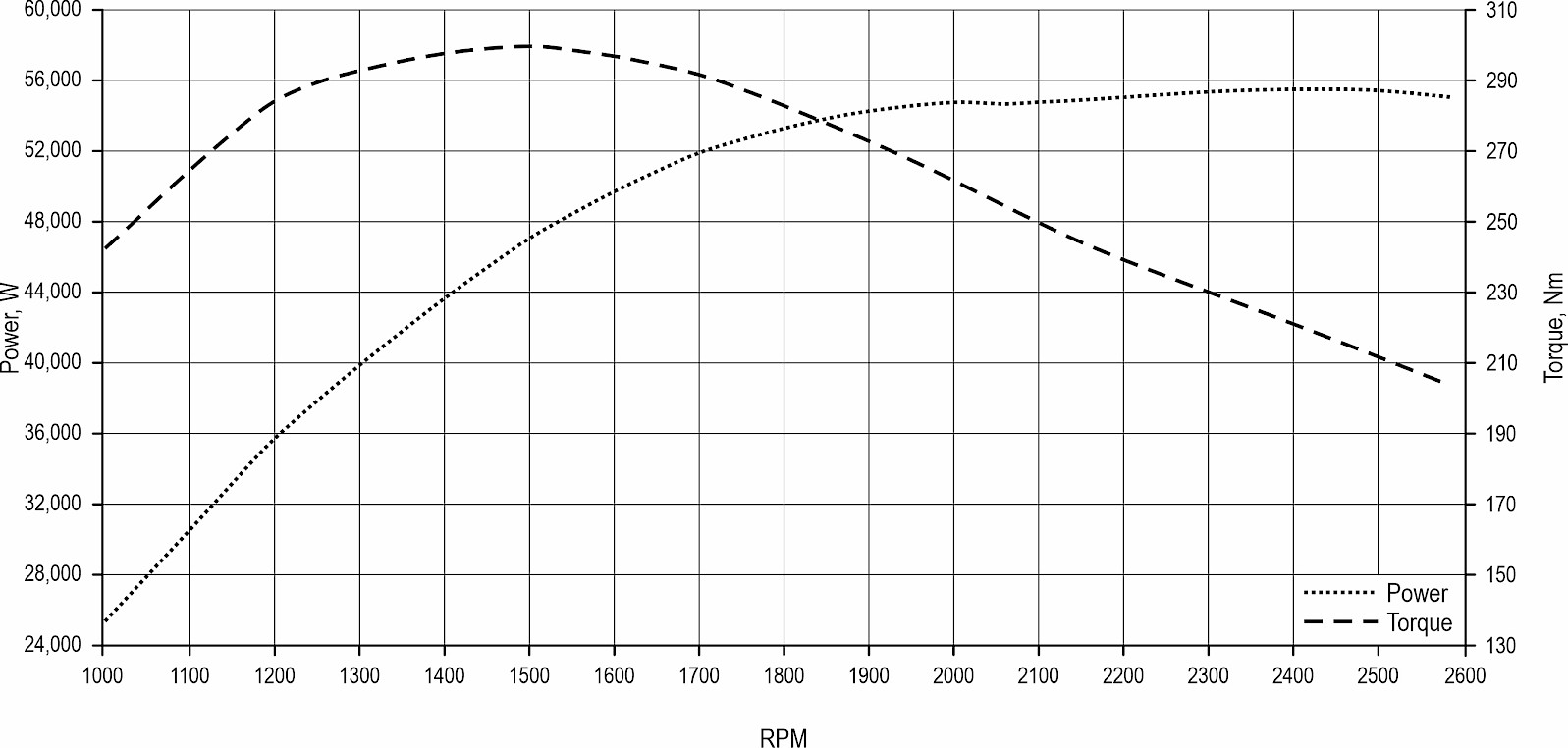
Fig. 10 Torque and power curve of the combustion engine
A multi-criteria analysis was also performed to compare individual work cycles and identify the optimal engine speed. Each cycle was evaluated based on the energy delivered to the battery and its average power value; higher values were preferred as they indicated more battery recharging. Conversely, lower values for average power and energy drawn from the battery were considered better outcomes. These factors were each assigned a weight of 1.
The final factor, with a weight of 2, was the torque of the combustion engine. At 1700 rpm, the engine reached 292 Nm (Fig. 10), which was 9 Nm higher than at 1800 rpm. The manufacturer's data indicate a maximum engine torque of 300 Nm at 1500 rpm, while at 1900 rpm, the engine torque was 273 Nm. The peak torque was considered optimal, as a reduction in torque leads to a steeper rise in the internal combustion engine load. This dynamic posed a heightened risk to the electrical energy supply of the hybrid system, a finding substantiated by measurements at 1900 rpm
The multi-criteria evaluation designated the 1700 rpm work cycle as the most effective, with a score of 24 points. Measurements confirmed that its energy balance was the most favorable. In contrast, the 1900 rpm duty cycle received the lowest rating of 14 points, primarily attributable to its markedly low energy balance values, especially for charging. Furthermore, the internal combustion engine generates lower torque at 1900 rpm than at other operating speeds.
Table 1 Multicriteria analysis
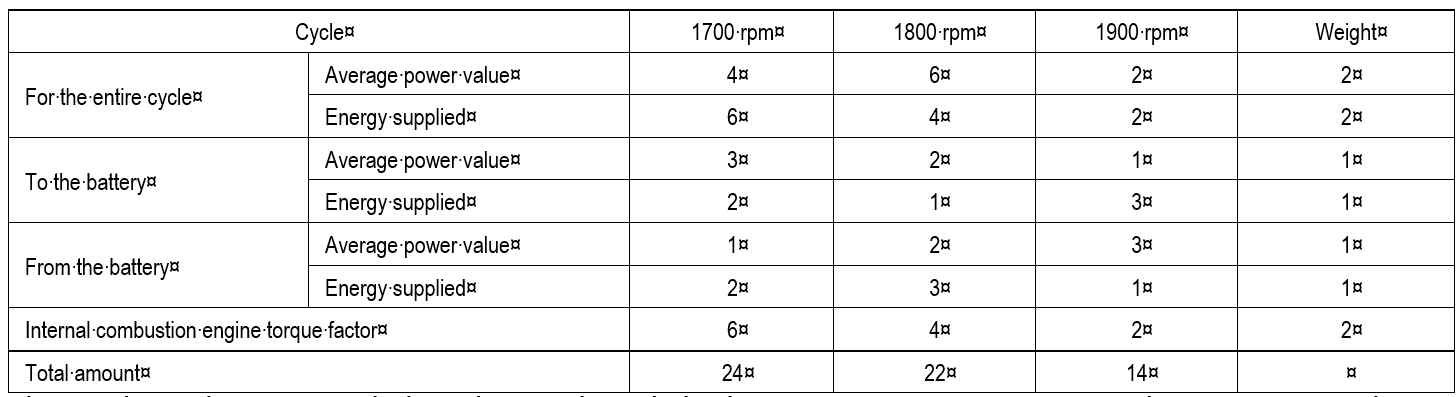
The analysis demonstrated that the auxiliary hybrid powertrain system generated more energy than it consumed across two of the three felling modes. This capability enabled prolonged machine operation without external battery recharging, fully satisfying power requirements while preventing both overcharging and excessive discharging. Where felling-phase energy consumption exceeded generation, sufficient recuperation was achieved during ancillary activities, such as off-road transit at 1700 rpm, which incurred negligible energy expenditure.
In the felling measurements, the parallel hybrid system delivered a consistent power output of 12–13 kW, attaining peaks of approximately 19 kW. Comprehensive data analysis substantiated that the electric motor effectively managed all power peaks prior to the internal combustion engine response. Moreover, the battery demonstrated full suitability for integration into hybrid thinning harvester systems. Nevertheless, the torque capacity of the internal combustion engine remains a critical consideration.
4. Discussion
Increasing pressures to reduce emissions and operational costs are propelling the adoption of alternative powertrain systems in mechanized cut-to-length forestry machinery. Hybrid configurations and emerging concepts seek to either supplant or downsize the internal combustion engine while maintaining stable operating speeds. In conventional harvesters, the ICE rotational speed rises under heavy felling loads (Hohenlohe 2011), thereby elevating fuel consumption and CO₂ emissions (Prinz et al. 2018).
According to a study by Szewczyk et al. (2026), it was demonstrated that a large harvester with a hybrid drive system achieves 20% lower costs and higher productivity, but at the same time also higher fuel consumption – specifically, 3.18 l/h (0.46 l/m³). The lower costs were reportedly achieved through the higher efficiency of the hybrid harvester. Specifically, the study compared the Logset 8H harvester with the H12 hybrid harvester, whose system utilizes Danfoss A/S Editron unit with a supercapacitor. A supercapacitor is a significantly more expensive means of storage for electrical energy than a battery. Furthermore, the internal combustion engines of the harvesters under study comply with the STAGE V standard. This standard increases operating costs due to the requirement for Selective Catalytic Reduction (SCR). Currently, smaller harvesters widely used in Central Europe employ internal combustion engines with power ratings up to 55.6 kW, which do not fall under STAGE V. However, there is increasing pressure for more powerful harvester heads, which require more powerful engines; this is precisely why hybrid systems could be helpful – systems that would use the same technology as Danfoss A/S Editron unit but with a less expensive energy storage solution. Batteries could serve as this storage solution. This research verified their functionality in the powertrain of a small harvester.
With increasing internal combustion engine speed, torque initially increases before subsequently declining (Gupta 2016), with peak torque generally occurring between 1400 and 1700 rpm. These characteristics are fully corroborated by the present research, which identified 1700 rpm as the optimal operating speed for the battery-integrated hybrid system, yielding an energy surplus of 60 Wh. In contrast, operation at 1900 rpm resulted in a net energy deficit of 2 Wh for the battery at cycle end, accompanied by an average power of only 5 W, indicating that energy consumption exceeded generation. These findings are further substantiated by Fig. 10.
Elevated and transient power demands imposed on the combustion engine of harvesters, particularly during harvester head activation (Hohenlohe 2011), frequently necessitate the incorporation of costly supercapacitors for energy storage (Wieczorek et al. 2019). Supercapacitors accumulate electrical energy through electrostatic charging (Hadjipaschalis et al. 2009), consisting of two electrodes separated by a non-conductive electrolyte (Iqbal and Aziz 2022). This architecture facilitates charge and discharge cycles that surpass batteries in rapidity (Raza 2018), while offering greater energy density and extended operational longevity (Patel and Desai 2012). These attributes render supercapacitors a prevalent choice for energy storage in hybrid machinery subject to substantial combustion engine power (Lemian and Bode 2022).
Nevertheless, the empirical findings indicate that batteries, when properly engineered and sized, can effectively manage high-current transient peaks. Although their primary role in hybrid systems is to deliver a sustained power supply, contemporary battery technologies have proven adept at handling short-term current surges without substantial detriment to service life or thermal stress, provided that maximum discharge limits and thermal management guidelines are observed. The battery employed sustained a peak short-term discharge current of 1000 A, yielding a theoretical maximum power of 72 kW – far exceeding the maximum observed load. This outcome broadens prospects for refining energy management in hybrid powertrains beyond harvesters alone.
Degradation of batteries arising from repeated charging and discharging cycles constitutes a well-recognized challenge. Electric batteries store energy in chemical form through electrochemical reactions at their electrodes (Lemian and Bode 2022). The dynamics of these electrochemical systems during charging and discharging are fundamentally tied to fluctuations in the state of charge, which exert a direct influence on the internal processes occurring within the active electrode materials. The intensity of battery cycling correspondingly determines the level of mechanical and chemical stresses imposed on its constituent components (Pan et al. 2020).
The empirical measurements reveal that confining battery operation to a narrow range of state-of-charge variations induces only marginal capacity shifts across individual cycles. This regimen substantially curtails mechanical and chemical stresses on the active electrode materials. By attenuating degradation processes – such as electrode mechanical fragmentation or, in lithium-ion batteries, Solid Electrolyte Interphase layer proliferation – this operational paradigm extends battery longevity. Accordingly, constraining SoC fluctuations represents an efficacious approach for applications emphasizing sustained reliability and consistent energy storage efficacy. This is especially important for lead-acid batteries. Although they have a lower permissible depth of discharge compared to lithium-ion alternatives, they offer significant advantages for forestry operations due to their durability, high safety in harsh environments, and low cost.
Long-term electrical energy storage in batteries presents notable challenges. At low temperatures, batteries experience energy dissipation due to adverse effects on electrolyte characteristics, including elevated viscosity and reduced ionic conductivity (Shuai et al. 2018). Consequently, overnight storage of machinery in cold conditions results in diminished battery energy capacity.
This challenge can be partially alleviated by permitting the machine and its internal combustion engine to idle for an appropriate duration. Empirical evidence suggests that battery recharging during off-road transit effectively resolves this issue, as recharge interruptions lasted only 39 seconds over a 5-minute drive. Moreover, idling fuel consumption could be reduced by selectively deactivating one cylinder of the internal combustion engine (Fridrichová et al. 2024).
The issue of battery temperature management warrants more extensive future research. This is imperative not only to counteract potential voltage reductions but also to mitigate the heightened fire risks, which constitute a pressing concern in forestry operations.
5. Conclusions
The present investigation assessed the viability of an electric battery as an energy storage medium in a parallel hybrid powertrain for a thinning harvester, offering a compelling alternative to the supercapacitors conventionally employed in such systems. This evaluation entailed monitoring the hybrid setup in an AH6 thinning harvester prototype across three distinct internal combustion engine speeds during felling operations: 1700 rpm, 1800 rpm, and 1900 rpm. Measurements were also taken during off-road transit at 1700 rpm to confirm the efficacy of the hybrid system and battery during inter-site machine relocation.
When the combustion engine operated at 1700 rpm, the battery accrued an energy surplus of 0.06 kWh across the full measurement period, accompanied by an average power of –256 W (negative denoting charging). At 1800 rpm, the average power was –280 W – reflecting a 24 W increase in charging rate relative to the preceding mode – and yielded a comparable 0.06 kWh gain. In contrast, operation at 1900 rpm produced an average power of +5 W, signifying a net depletion of 2 Wh from the battery. Additionally, over a 5-minute off-road drive, charging was interrupted for only 39 seconds, during which 20 Wh was drawn while 154 Wh was supplied.
The research concludes that an electric battery is a fully-fledged energy storage solution for thinning harvesters. Optimal operation is achieved at lower engine speeds, ideally close to the combustion engine peak torque, a finding corroborated by multi-criteria analysis of harvesting modes. This is particularly significant given the increasing pressure to reduce emissions and thinning costs, as hybrid harvesters offer lower fuel consumption, and substituting expensive supercapacitors with batteries will reduce the machine purchase price. Future research, however, must focus on the battery temperature management system.
Despite these promising findings, a key technical limitation of this study is the relatively limited number of recorded operational profiles and ambient conditions. Evaluating the system across a wider range of climatic variations and seasonal shifts is essential, as these factors directly affect battery chemistry and thermal behavior. Therefore, future research will focus on long-term testing under diverse seasonal conditions to gather a broader dataset. This will allow for a more robust statistical evaluation of measurement variability, ultimately leading to a more precise optimization of the battery management system and the overall hybrid powertrain.
Acknowledgments
The authors gratefully acknowledge funding from the Specific Research on BUT FSI-S-23-8235 and the Technology Agency of the Czech Republic for project TH03010007 – Harvester prototype with multi-function traction and hybrid drive.
Conflicts of Interest
The authors declare no conflict of interest.
6. References
Berg, S., Karjalainen, T., 2003: Comparison of greenhouse gas emissions from forest operations in Finland and Sweden. Forestry 76(3): 271–284. https://doi.org/10.1093/forestry/76.3.271
Berg, S., Lindholm, E.L., 2005: Energy use and environmental impacts of forest operations in Sweden. J Clean Prod 13(1): 33–42. https://doi.org/10.1016/j.jclepro.2003.09.015
Boogaard, H., Walker, K., Cohen, A.J., 2019: Air pollution: the emergence of a major global health risk factor. Int Health 11(6): 417–421. https://doi.org/10.1093/inthealth/ihz078
Cui, M., Chen, Y., Feng, Y., Li, C., Zheng, J., Tian, C., Yan, C., Zheng, M., 2017: Measurement of PM and its chemical composition in real-world emissions from non-road and on-road diesel vehicles. Atmos Chem Phys 17(11): 6779–6795. https://doi.org/10.5194/acp-17-6779-2017
Einola, K., Kivi, A., 2024: Hydraulic Hybrid Cut-to-Length Forest Harvester–Evaluation of Effects on Productivity and Fuel Efficiency. Actuators 13(4): 126. https://doi.org/10.3390/act13040126
Engel, A.M., Wegener, J., Lange, M., 2012: Greenhouse gas emissions of two mechanised wood harvesting methods in comparison with the use of draft horses for logging. Eur J For Res 131(4): 1139–1149. https://doi.org/10.1007/s10342-011-0585-2
Engström, J., 2025: Modular battery swap system as an enabler for fossilfree mobile work machines. Available online: https://www.ri.se/en/energy-and-electrification/energy-storage/batteries/project/modular-battery-swap-system-as-an (accessed on 28 December 2025)
Estevez, R., Aguado-Deblas, L., López-Tenllado, F.J., Bautista, F.M., Romero, A.A., Luna, D., 2024: Internal Combustion Engines and Carbon-Neutral Fuels: A Perspective on Emission Neutrality in the European Union. Energies 17(5): 1172. https://doi.org/10.3390/en17051172
European Commission, 2025: Questions and Answers: Green Paper on a 2030 framework for climate and energy policies. Available online: https://ec.europa.eu/commission/presscorner/detail/en/memo_13_275 (accessed 10 January 2025)
European Environment Agency, 2025: Air pollution: how it affects our health. Available online: https://www.eea.europa.eu/themes/air/health-impacts-of-air-pollution (accessed 10 January 2025)
Fabiś, P., Flekiewicz, M., 2021: Optimalisation of the SI Engine Timing Advance Fueled by LPG. Sci J Sil Univ Technol 111: 33–41. https://doi.org/10.20858/sjsutst.2021.111.3
Fu, M., Ge, Y., Tan, J., Zeng, T., Liang, B., 2012: Characteristics of typical non-road machinery emissions in China by using portable emission measurement system. Sci Total Environ 437: 255–261. https://doi.org/10.1016/j.scitotenv.2012.07.095
Guo, X., Wu, H., Chen, D., Ye, Z., Shen, Y., Liu, J., Cheng, S., 2020: Estimation and prediction of pollutant emissions from agricultural and construction diesel machinery in the Beijing-Tianjin-Hebei (BTH) region, China. Environ Pollut 260: 113973. https://doi.org/10.1016/j.envpol.2020.113973
Gupta, A., Sharma, S., Narayan, S., 2016: Combustion Engines – An Introduction to Their Design, Performance, and Selection. John Wiley & Sons Inc.: New Jersey, USA.
Hadjipaschalis, I., Poullikkas, A., Efthimiou, V., 2009: Overview of current and future energy storage technologies for electric power applications. Renew Sustain Ener Rev 13(6–7): 1511–1522. https://doi.org/10.1016/j.rser.2008.09.028
Haugh, J., 2022: EV1: First look at Ponsse's new electric forwarder concept. Available online: https://www.forestryjournal.co.uk/news/20667734.ev1-first-look-ponsses-new-electric-forwarder-concept/ (accessed 28 Febuary 2025)
Heywood, J.B., 2018: Internal Combustion Engine Fundamentals 2E. McGraw Hill Education: New York, USA; 1056.
Hohenlohe, F., 2011: Phlegmatisierung als Tugend in der Mobilhydraulik Das Energiespeichersystem des Kranvollernters HSM 405H2. In: Gauterin, F., Geimer, M., Gratzfeld, P., Henning, F., Eds.; Hybridantriebe für Mobile Arbeitsmaschinen; February 17; Karlsruhe, Germany: KIT Scientific Publishing, 151–162 p.
Hurtová, I., Sejkorová, M., Verner, J., 2019: A Study of Diesel Particulate Filter Impact on Engine Oil Quality. In Proceedings of the Transport Means–Proceedings of the 23rd International Scientific Conference, Palanga, Lithuania, 2–4 October, 691–695.
Iqbal, Z.M., Aziz, U., 2022: Supercapattery: Merging of battery-supercapacitor electrodes for hybrid energy storage devices. J. Energy Storage 46: 103823. https://doi.org/10.1016/j.est.2021.103823
Johnsen, T., 2026a: Logset 12H GTE Hybrid-electric Harvester. Available online: https://www.forestry.com/editorial/logset-12h-gte-electric-hybrid-harvester/ (accessed 1 January 2026)
Johnsen, T., 2026b: El-Forest Elturbo ger 50 kW extra i skördaren. Available online: https://skogsforum.se/viewtopic.php?f=10&t=27873 (accessed 1 January 2026)
Jonsson, P., 2025: Malwa – it’s electrifying! Available online: https://nordicwoodjournal.com/editorial/equipments/malwa-its-electrifying/ (accessed 29 December 2025)
Kärhä, K., Eliasson, L., Kühmaier, M., Spinelli, R., 2024: Fuel Consumption and CO2 Emissions in Fully Mechanized Cut-to-Length (CTL) Harvesting Operations of Industrial Roundwood: A Review. Curr For Rep 10(4): 255–272. https://doi.org/10.1007/s40725-024-00219-3
Kärhä, K., Haavikko, H., Kääriäinen, H., 2023: Fossil-fuel consumption and CO2eq emissions of cut-to-length industrial roundwood logging operations in Finland. Eur J For Res 142(3): 547–563. https://doi.org/10.1007/s10342-023-01541-4
Karjalainen, T., Asikainen, A., 1996: Greenhouse gas emissions from the use of primary energy in forest operations and long-distance transportation of timber in Finland. Forestry 69(3): 215–228. https://doi.org/10.1093/forestry/69.3.215
Khan, M.I., Yasmin, T., Shakoor, A., 2015: Technical Overview of Compressed Natural Gas (CNG) as a Transportation Fuel. Renew Sustain Energy Rev 51: 785–797. https://doi.org/10.1016/j.rser.2015.06.053
Klvač, R., Ward, S., Owende, P.M.O., Lyons, J., 2003: Energy Audit of Wood Harvesting Systems. Scand J For Res 18(2): 176–183. https://doi.org/10.1080/02827580310003759
Klvač, R., Skoupý, A., 2009: Characteristic fuel consumption and exhaust emissions in fully mechanized logging operations. J For Res 14(6): 328–334. https://doi.org/10.1007/s10310-009-0143-7
Lajunen, A., Suomela, J., Pippuri, J., Tammi, K., Lehmuspelto, T., Sainio, P., 2016: Electric and Hybrid Electric Non-Road Mobile Machinery – Present Situation and Future Trends. World Electr Veh J 8(1): 172–183. https://doi.org/10.3390/wevj8010172
Lemian, D., Bode, F., 2022: Battery-Supercapacitor Energy Storage Systems for Electrical Vehicles: A Review. Energies 15(15): 5683. https://doi.org/10.3390/en15155683
Lijewski, P., Merkisz, J., Fuć, P., Ziółkowski, A., Rymaniak, Ł., Kusiak, W., 2017: Fuel consumption and exhaust emissions in the process of mechanized timber extraction and transport. Eur J For Res 136(1): 153–160. https://doi.org/10.1007/s10342-016-1015-2
Lijewski, P., Merkisz, J., Fuć, P., 2013: Research of exhaust emissions from a harvester diesel engine with the use of portable emission measurement system. Croat J For Eng 34(1): 113–122.
Lundbäck, M., Häggström, C., Nordfjell, T., 2021: Worldwide trends in methods for harvesting and extracting industrial roundwood. Int J For Eng 32(3): 202–215. https://doi.org/10.1080/14942119.2021.1906617
Manisalidis, I., Stavropoulou, E., Stavropoulos, A., Bezirtzoglou, E., 2020: Environmental and Health Impacts of Air Pollution: A Review. Front Public Health 8(14): 1–13. https://doi.org/10.3389/fpubh.2020.00014
Pan, Z., Sedlatschek, T., Xia, Y., 2020: Effect of state-of-charge and air exposure on tensile mechanical properties of lithium-ion battery electrodes. J Electrochem Soc 167(9): 090517. https://doi.org/10.1149/1945-7111/ab8804
Pandur, Z., Šušnjar, M., Bačić, M., 2021: Battery Technology – Use in Forestry. Croat J For Eng 42(1): 135–148. https://doi.org/10.5552/crojfe.2021.798
Patel, K.R., Desai, R.R., 2012: Calculation of internal parameters of super capacitor to replace battery by using charging and discharging characteristics. Int j eng innov technol 2: 1–5.
Prinz, R., Spinelli, R., Magagnotti, N., Routa, J., Asikainen, A., 2018: Modifying the settings of CTL timber harvesting machines to reduce fuel consumption and CO2 emissions. J Clean Prod 197(1): 208–217. https://doi.org/10.1016/j.jclepro.2018.06.210
Procházka, P., Pazdera, I., Vítek, O., Hutak, P., 2017: Forwarder Trailer with Auxiliary Electric Drive Unit. ECS Transactions 81(1): 249–254. https://doi.org/10.1149/08101.0249ecst
Rayapureddy, S.M., Matijošius, J., Rimkus, A., Caban, J., Słowik, T., 2022: Comparative Study of Combustion, Performance and Emission Characteristics of Hydrotreated Vegetable Oil–Biobutanol Fuel Blends and Diesel Fuel on a CI Engine. Sustainability 14(12): 7324. https://doi.org/10.3390/su14127324
Raza, W., Faizan, A., Nadeem, R., Yiwei, L., Ki-Hyun, K., Jianhua, Y., Sandeep, K., Andleeb, M., Eilhann, E.K., 2018: Recent advancements in supercapacitor technology. Nano Energy 52: 441–473. https://doi.org/10.1016/j.nanoen.2018.08.013
Sani, A., Siahaan, S., Mubarakah, N., Suherman, S., 2018: Supercapacitor performance evaluation in replacing battery based on charging and discharging current characteristics. IOP Conf. Series: Materials Science and Engineering 309: 012078. https://doi.org/10.1088/1757-899X/309/1/012078
Stoddart, N., 2010: El-forest hybrid forwarder. Forestry Journal 10(7): 20–21.
Sun, H., Diabo, S., Forrester, D., Soares, A., Saito, D., Dong, R., Jiang, J., 2018: Relationship between size inequality and stand productivity is modified by self-thinning, age, site and planting density in Sassafras tzumu plantations in central China. For Ecol Manage 422: 199–206. https://doi.org/10.1016/j.foreco.2018.02.003
Szewczyk, G., Krilek, J., Kováč, J., Aniszewska, M., Gendek, A., Kulak, D., Tylek, P., Shchupak, A., Polok, M. 2026: Timber Harvesting Operational Efficiency of Hybrid and Standard Harvesters. Forests 17(6):677. https://doi.org/10.3390/f17060677
Wieczorek, M., Lewandowski, M., Jefimowski, W., 2019: Cost comparison of different configurations of a hybrid energy storage system with battery-only and supercapacitor-only storage in an electric city bus. Bull Pol Acad Sci 67(6): 1095–1106. https://doi.org/10.24425/bpasts.2019.131567
Wiśniewski, P., Kistowski, M., 2020: Greenhouse gas emissions from cultivation of plants used for biofuel production in Poland. Atmosphere 11(4): 394. https://doi.org/10.3390/atmos11040394
© 2026 by the authors. Submitted for possible open access publication under the
terms and conditions of the Creative Commons Attribution (CC BY) license (http://creativecommons.org/licenses/by/4.0/).
Authors’ addresses:
Assist. prof. Petr Procházka, PhD
e-mail: prochazkap@vut.cz
Assist. prof. Ivo Pazdera, PhD
e-mail: pazderai@vut.cz
Brno University of Technology
Faculty of Electrical Engineering and Communication
Department of Power Electrical and Electronic Engineering
Technická 12
616 69, Brno
CZECH REPUBLIC
Assist. prof. Václav Mergl, PhD *
e-mail: Vaclav.Mergl1@vutbr.cz
Brno University of Technology
Faculty of Mechanical Engineering
Institute of Automotive Engineering
Technická 2
616 69, Brno
CZECH REPUBLIC
Assoc. prof. Zdravko Pandur, PhD
e-mail: zpandur@sumfak.unizg.hr
University of Zagreb
Faculty of Forestry and Wood Technology
Department of Forestry
Institute of Forest Engineering
Svetošimunska Cesta 23
100 00, Zagreb
CROATIA
* Corresponding author
Received: January 27, 2026
Accepted: July 08, 2026
Original scientific paper